It will surely be exhausting. They imposed me four subjects that should be taught in coming fall semester. I am serious, I mean I don’t want to get workaholic death. I have to prepare for teaching four subjects well during summer break in order to avoid the worst case. This post has no useful information, and this is just for testing purpose. Sorry about that.
投稿者: liangzhilaoshi
Flowers in someone’s Garden, not in Mine.
My another photo blog “LQ Laoshi’s Photo Gallery”(outside wordpress)
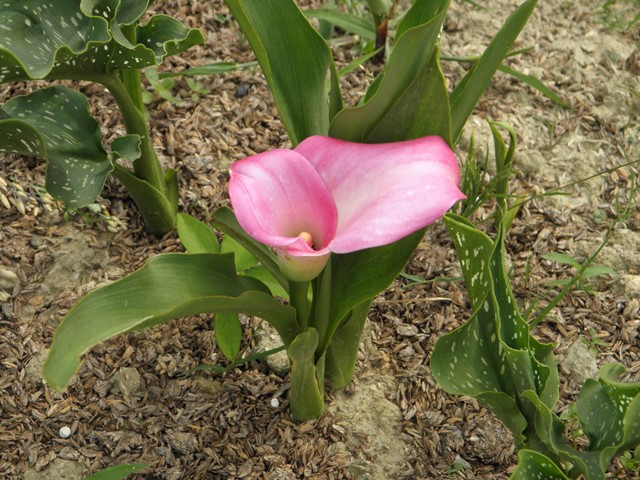
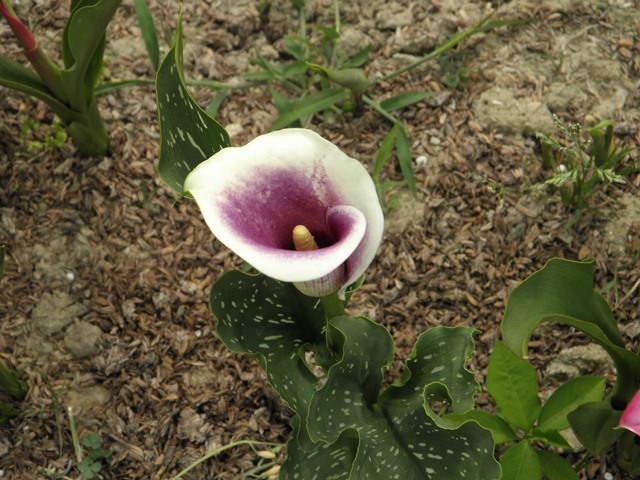

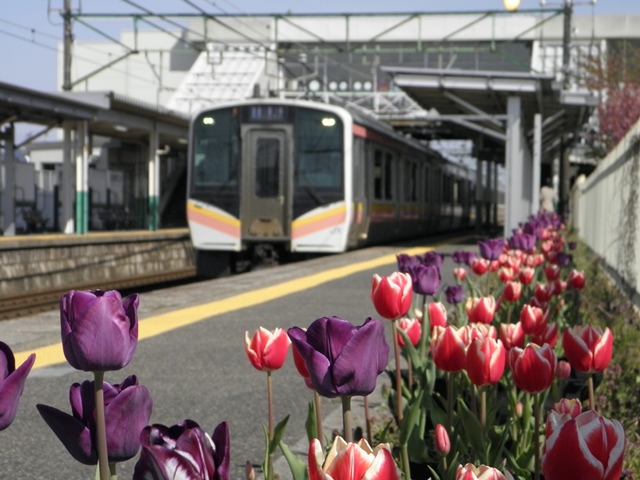
These flowers were planted at the edge of someone’s vegetable fields. They are not just growing vegetables, but those people have some kind of reserves in their minds such that enjoys beauty of flowers.

This flower is natural one that is growing by the platform on a railway station.
Trying to Learn how to Cook Fishes as Many
My another photo blog “LQ Laoshi’s Photo Gallery”(outside wordpress)


Actually, the edible part was just a little. I forgot to take photos of grilled half body slices.

Though nothing has to do with fish, they are fruits for breakfast.
Green Rice Field and Railway
My another photo blog “LQ Laoshi’s Photo Gallery”(outside wordpress)
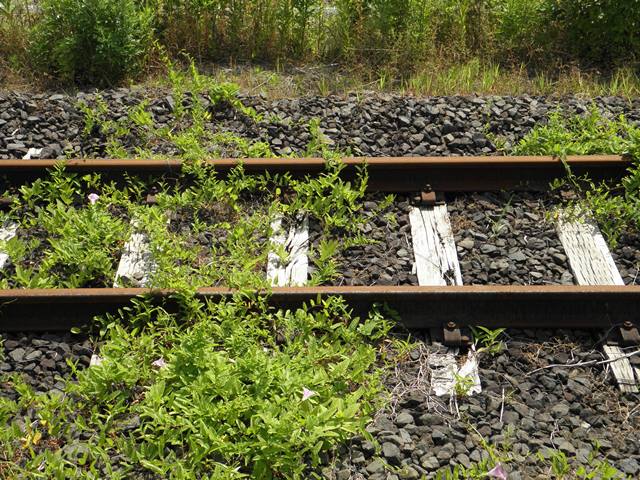
These are the photos taken while I was taking a walk one day in June.


Metalhead is a Fish’s Name “Kanagashira”
My another photo blog “LQ Laoshi’s Photo Gallery”(outside wordpress)
Nothing has to do with a fan of heavy metal music. “Kana-” means metal and “Gashira” a head. So the fishes’ heads looked very hard and strong.

I bought them in a supermarket. They were local fishes so they were not expensive, even I would say they were cheap.
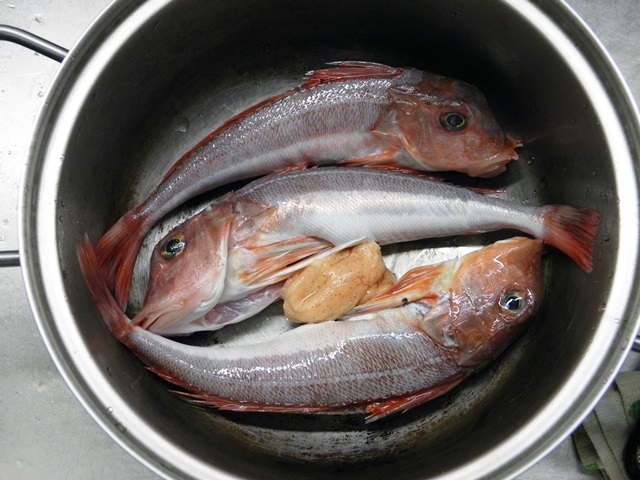
All three were placed in a pan, and then they were boiled. Actually it took time for me to remove their scales on the surface. Although I just threw most of the inside, I kept egg and boiled it together.
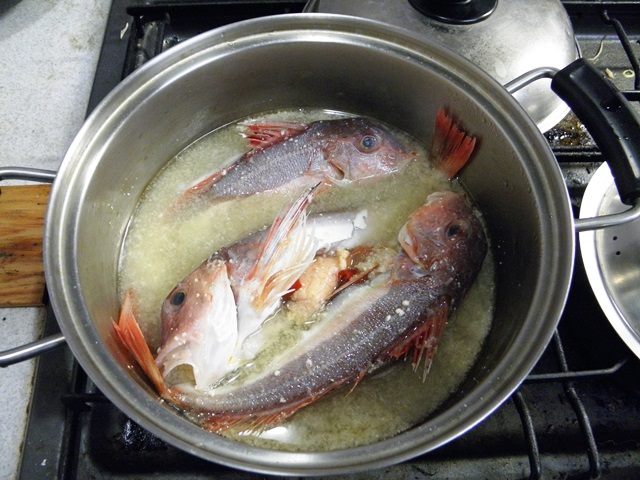
I usually use soy sauce for the taste when boiling a fish, but this time I used the salty soy-beans paste “Miso”.

They were on the dish. That means it’s ready to eat.
Answers of Mid-Term Exam 2: Japanese Business Manner
第2回小テスト(第13週)の解答および解説
試験範囲:教科書の87~115ページ
実施日 :2021年5月31日
1.リスニング問題
第01問 ナレッジ・マネジメント
これから言う説明は、AからEの、どの言葉の説明ですか。1つ選びなさい。
説明:企業内外の情報・知識や、社員個人が持っているノウハウなどを全社的に収集・管理・共有して、効率の良い情報伝達や知識の共有化を図ります。そして、これらの知識資産を新たな行動の意志決定にも活かします。
B:ナレッジ・マネジメント
C:リスク・マネジメント
D:コンセプチュアル・スキル
E:モノのインターネット(IoT)
正答:B
解説:定義どおりなので解説は省略する。
第02問 身だしなみの3原則
これから言う説明は、AからEの、どの言葉の説明ですか。1つ選びなさい。
説明:着ている服や履いている靴など、身に付ける物には清潔感がなければなりません。また、ビジネスの場に合った機能性のある服装をします。そして、個性を主張するのではなく、すべての人に受け入れられる服装をしましょう。会社のイメージや、職場の中での調和も大切です。
A:第一印象
B:チームワーク
C:身だしなみの3原則
D:社会人としての自覚
E:社会人としての言葉遣い
正答:C
解説:説明にある清潔感、機能性、調和の3つが身だしなみの3原則である。Aの第一印象もやや可能性のある選択肢だが、職場の中での調和は第一印象だけではなく、持続的である。
第03問 敬語
これから言う説明は、AからEの、どの言葉の説明ですか。1つ選びなさい。
説明:大きく分けると尊敬語、謙譲語、丁寧語の3つに分類されます。
A:敬語
B:美化語
C:丁重語
D:接遇用語
E:応対用語
正答:A
解説:現在、敬語の分類は5種類に増えている。すなわち謙譲語を謙譲語Iと謙譲語IIに分類し、丁寧語を丁寧語と美化語に分類し、尊敬語と合わせて5分類である。ただし、敬語の基本を理解するためには、従来の3分類も役に立つ考え方である。
第04問 敬語の使用場面
これから聞く言葉は、学生が教師に言います。しかし、良くない言い方です。どうして良くないのか、AからEの中から理由を1つ選びなさい。
「先生、こんにちは。先生は昨日、東京ディズニーランドへ行ったんだって?楽しかった?」
A:敬語を使っているが、尊敬語にするところに謙譲語を使っている。
B:敬語を使っているが、謙譲語にするところに尊敬語を使っている。
C:尊敬語を2つ連続させる二重敬語を使っている。
D:丁寧体で話していて、尊敬語を使っていない。
E:友達言葉で話していて、敬語を使っていない。
正答:E
解説:教師に友達言葉で話しかけてはならない。学生が教師に向かって話すとき、教師の動作には尊敬語を使い、自分の動作には謙譲語を使うべきである。もし、それが難しければ、丁寧語を使うべきである。日本語で話すときは 相手や状況によりスピーチレベルを適切に使い分けなければならない。
第05問 尊敬語専用の動詞
これから聞く説明の「ピーン」という音の所に入る言葉は何ですか。1つ選びなさい。
説明:尊敬語の作り方は3つあります。その1つは普段使っている動詞を尊敬語専用の動詞にする方法です。たとえば、動詞「行きます」「来ます」「います」は尊敬語専用の動詞にすると「ピーン」になります。
A:参ります
B:伺います
C:いらっしゃいます
D:お行きになります
E:行かれます
正答:C
解説:普段使う動詞と尊敬語専用の動詞の対応をおぼえておく必要がある。大変なようだが、尊敬語専用の動詞が表す動作は基本的なものである。そのため、それほど数は多くない。
第06問 「おVになります」
これから説明する敬語表現はAからEのうち、どれになりますか。1つ選びなさい。
説明:尊敬語の作り方は3つあります。その1つは「お・なになに・になります」または「ご・なになに・になります」です。和語の動詞のとき、「お・なになに・になります」になって、漢語の動詞のとき、「ご・なになに・になります」になることが多いです。
A:社長はもう今日の新聞を読まれました。
B:社長はもうご自宅にお帰りになりました。
C:そのお弁当は 伊藤先生が 召し上がります。
D:さっそく先生の論文を拝見します。
E:明日の午後3時にうかがいます。
正答:B
解説:Aは「れる/られる」を用いた尊敬の表現であり、Cは尊敬語専用の動詞を用いている。DとEは謙譲の表現であるので不適である。
第07問 「れる/られる」
尊敬語の作り方は3つあります。その1つは動詞を「れる/られる」の形にする方法です。しかし、「れる/られる」は受身や可能のときもあります。これから言う1と2は尊敬、受身、可能のどれですか。AからEのなかから 正しいものを1つ選びなさい。
1:彼からの手紙を母に読まれました。 2:部長、今朝の新聞をもう読まれましたか。
A:1は受身で、2は尊敬です。
B:1は受身で、2も受身です。
C:1は受身で、2は可能です。
D:1は尊敬で、2も尊敬です。
E:1は尊敬で、2は受身です。
正答:A
解説:文意から明らかであるが、1は主語が「私」で被害を受けていること、2は主語が「部長」で「読む」動作の主体であることを理解しなければならない。
第08問 尊敬語と謙譲語の混同
これから言うA、B、C、D、Eの中で、尊敬語と謙譲語の区別を間違えて使っているのはどれですか。1つ選びなさい。
A:入口で今日のプログラムをいただいてください。
B:1階のロビーにお集まりください。
C:当日資料をお配りになる方は、事前にご用意ください。
D:先生がお書きになった本を、さっそく拝見しました。
E:御社の鈴木様に、あす お会いすることになっています。
正答:A
解説:「いただく」は「もらう」「食べる」「飲む」の謙譲語である。したがって、お客様など、敬意を表す対象の人の動作に使うことはできない。Bは「お/ご~くださる」という形式の尊敬語である。Cは尊敬で、Dは前半が尊敬で後半が謙譲、Eは謙譲である。
第09問 二重敬語
これから言うA、B、C、D、Eの中で、二重敬語の間違いをしているものはどれですか。1つ選びなさい。
A:90歳でも、毎日散歩なさいます。
B:これから会議だと部長はおっしゃいました。
C:傘をお持ちになられましたか。
D:では、あすも こちらに参ります。
E:先生も臭豆腐を召し上がりました。
正答:C
解説:Cは丁寧体で言えば「傘を持ちましたか」になる。これを「おVになる」の尊敬語にするなら「お持ちになりましたか」になる。「れる/られる」の尊敬語にするなら「持たれましたか」になる。「お持ちになる」の「なる」をさらに「れる/られる」にして「お持ちに・なられ」としたので、二重敬語にあたる。
第10問 クレーム対応
これからお客様のクレームを聞きます。このクレームに対応するとき、一番いいのはどれですか。1つ選びなさい。
クレーム:「そっちの店で昨日買ったばかりの傘なんだけどね、開こうとしたら傘の骨が折れていたよ。おかげで雨に濡れて帰ったんだ。」
A:ええと、担当の者に変わります。少々お待ちください。
B:買う前に開くかどうか試して見れば良かったです。
C:それは本当にこの店で買った物ですか。
D:それでは返品と返金方法について、説明いたします。
E:申し訳ありません。冷たい雨の中、お客様がお怒りになるのは無理もありません。
正答:E
解説:まず、お客様の気持ちに共感していることを表明する。Dは事務的な対応だけで、お客様の怒りに対する共感が見られない。BやCはお客様を怒らせてしまうだろう。もし電話を受けた自分がどうしてよいのか分からない場合は、Aのように言って電話を保留状態にして、その間に上司に相談する方法もあるだろうが、それは次善の策であり、まずはEが一番よい。
2.読んで答える問題
第11問 チームワーク
チームワークに関して、間違っているものを1つ選びなさい。
A:一人ひとりの目標達成がチームの目標達成にもつながっている。
B:一人ひとりのモチベーションを高めることが必要である。
C:自分の意見が違っても、チームの出した結論に従う。
D:リーダーの指示が変だと思っても、質問や提言はしないで、その指示に従う。
E:チームの構成員同士で連携し、効率的な情報共有をする。
正答:D
解説:入社したばかりのときは、上司の指示どおりに仕事を処理した方が無理や無駄のないことも多いので、多少変だと思っても言われたとおりにやってみることは必要である。ただし、ある程度の経験を積んだときに、リーダーの指示が変だと思ったら、まず相談してリーダーの意図を理解することから始めるべきだろう。
第12問 身だしなみ
社会人としての身だしなみについて、間違っているものを1つ選びなさい。
A:スーツは濃紺やグレーなど落ち着いた色にする。
B:頭や体から嫌な臭いがしないように香水を使う。
C:女性は薄く化粧する。派手な色合いや厚化粧は避ける。
D:シャツの襟元や袖口は汚れやすいので、清潔にする。
E:女性はスカートのとき、素足にしないで、肌に近い色のストッキングをはく。
正答:B
解説:身だしなみの3原則の1つは清潔感である。清潔にしていれば、そんなに匂わないはずである。仕事の場に出るとき、香水は基本的につけない。自分には香りだと感じられても、他の人は嫌な臭いだと感じることもある。
第13問 「ウチ・ソト」の使い分け
仕事上の会話では「ウチ・ソト」の使い分けがあります。次の文の[①]と[②]に入る言葉を正しく組み合わせたものはAからEのうちどれですか。
・あなたは課員です。課長と話しています。あなたが言います。
「部長は現場の事故のことをもう[①]。」
・あなたは他の会社の人と話しています。あなたが言います。
「弊社の部長は 御社の田中様をよく[②]。」
A:①存じております ②知っているよ
B:①存じております ②ご存知です
C:①ご存知です ② 知っているよ
D:①ご存知です ② 存じております
E:①知っているね ②知っているよ
正答:D
解説:自分の会社の中で話しているとき、つまり「ウチ」の人との会話であるから、部長のような偉い人の動作については当然尊敬語を使う。「知っています」の尊敬語は「ご存知です」であり、「存じております」ではない。
一方、他の会社の人と話しているときは「ソト」の人との会話である。「ウチ」の中では部長は偉い人だが、「ソト」の人に部長の動作を伝える時は謙譲語を使う。「知っています」の謙譲語は「存じております」である。
第14問 八大用語
応対用語に「八大用語」と呼ばれるものがあります。丁寧体や普通体で言う場合(ア)とそれとほぼ同じ意味の八大用語(イ)をAからEに書いてあります。この中で(ア)と(イ)の組み合わせが間違っているものを1つ選びなさい。
A:(ア)来てくれて、ありがとう (イ)いらっしゃいませ
B:(ア)わざわざ、どうもありがとう(イ)恐れ入ります
C:(ア)協力してもらえませんか (イ)恐れ入りますが
D:(ア)ちょっと待ってください (イ)少々お待ちくださいませ
E:(ア)すみません (イ)かしこまりました
正答:E
解説:Eの「すみません」は謝罪や呼びかけに使うが、「かしこまりました」は命令や依頼を丁重に受諾する言葉である。そのため、同じ意味にはならない。Eの(ア)と(イ)を対応させると次のようになる。
(ア)すみません(謝罪) (イ)申し訳ありません
(ア)わかりました (イ)かしこまりました
第15問 クッション言葉
言いたいことを単刀直入に言うのではなく、前置きにクッション言葉を言うと、柔らかい印象を与えます。次のAからEのうち、下線部のクッション言葉と、そのあとの言葉が合っていないものを1つ選びなさい。
A:失礼ですが、佐藤は今、他の電話に出ております。
B:恐れ入りますが、ここから先への立入はご遠慮ください。
C:お手数をお掛けしますが、よろしくお願いいたします。
D:恐縮ですが、ご理解いただければと思います。
E:さしつかえなければ、ご参加ください。
正答:A
解説:「失礼ですが」は、相手にとって失礼かもしれないことを これからしますという予告のためのクッション言葉である。同僚の佐藤が現在他の電話に出ているという事態はすでに発生していて、これから発生する事態ではない。Aは「失礼ですが、」ではなく、「あいにく、」「申し訳ございませんが、」などがよい。
第16問 指示や命令を受けるとき
仕事で指示や命令を受けるときに注意する点がAからEに書いてあります。ただし1つだけ間違っているものがありますから、それを選びなさい。
A:上司から呼ばれたら、すぐに「はい」と返事をする。
B:上司のところへ行くときは、筆記できるようにメモ用紙と筆記用具を持って行く。
C:普段の自分の職務内容から外れているような指示は受けつけない。
D:いつまでに完成させる仕事なのか、必ず確認する。
E:複数の業務があって、優先順位に迷う場合は上司に相談する。
正答:C
解説:通常、上司からの指示は断れない。断るとしたら相当の理由がなければならない。一方で、仕事では各人に職務の割当てがあって、課内のAさんの仕事はこれ、Bさんの仕事はこれと決まっているのが普通である。AさんがBさんの担当範囲に食い込むようなことは、上司の指示がなければやってはいけない。上司が現在の職務内容から外れることを指示するのは、いろいろな状況が考えられる。部下の職務範囲を拡げて能力を伸ばしてやりたいという場合もある。そこで部下が「それは私の仕事ではありません」などと言ったら、上司はがっかりするだろう。
第17問 説明や提案をするとき
説明や提案をするときの注意点がAからEに書いてあります。ただし1つだけ良くないものがありますから、それを選びなさい。
A:説明する自分自身が内容をよく理解しなければならない。
B:重要度の低い細部の説明から始めて、結論を示すのは最後にする。
C:説明の途中で相手が理解しているか確認しながら説明を進める。
D:複数の案があるときは、各案の利点と欠点を整理し、総合評価に◎○△×のような順位をつけるとよい。
E:自分の提案に固執し過ぎない。良い対案があれば取り入れて再提案することも良い。
正答:B
解説:結論を先にいって、その後に説明をするのがよい。その際、話の全体像や、何分ぐらいかかるかも述べた方が、聞く方としては安心して聞くことができる。
第18問 注意・忠告されたとき
注意されたとき、忠告されたときに、どうしますか。間違っているものを1つ選びなさい、
A:注意・忠告は真面目な態度で聞き、言ってくれた人に感謝を伝える。
B:相手や関係者にお詫びするときは、弁解や責任転嫁をしないようにする。
C:感情的にならないようにして、自分の言動を冷静にふり返る。
D:注意・忠告してくれた人には、そのあと、なるべく近づかない方がよい。
E:信頼回復などリカバリーのために、自分に何ができるか考える。
正答:D
解説:心情的には避けたくなるが、その人の注意・忠告を受け止めて自分がどう行動・対処したのかを、ときを見計らって報告するのが良いだろう。
第19問 依頼するとき
仕事で何かを依頼するときに、正しいものを1つ選びなさい。
A:仕事上の依頼なのだから、頼まれた人はやってくれて当然である。
B:相手が忙しくても、自分の予定を最優先して頼むタイミングを決める。
C:依頼する仕事をいつまでにやってほしいかは、確定しない方がよい。
D:自分の依頼を受諾しなかった人にお礼を言う必要はない。
E:頼むときと受け取るときだけでなく、途中でも相手に連絡して進捗確認をする。
正答:E
解説: 相手の人の作業が、自分の意図とは違った方向に進んでいるかもしれない。あるいは、相手の人は作業を開始しないまま、時が過ぎていくかもしれない。そのままにしていると、受け取るときに、ぜんぜん使えない成果が上がってくるか、最悪は何も成果がないこともあり得る。そのため、仕事を依頼したときは期間の途中途中で相手に連絡して、進捗確認をするべきである。
A,B,Dはとんでもない態度である。また、Cについては、依頼する方も依頼される方も、いつまでにその仕事を完成させるのか、お互いしっかり確認するようにする。
第20問 断るとき
仕事で頼まれたことに対し、断らなければならない状況にあります。その時の対応として間違っているものを1つ選びなさい。
A:断ることをお詫びする。
B:断ることを決心したら、依頼した人にできるだけ早く伝える。
C:断る意志を明確にして、相手に余計な期待を持たせない。
D:依頼した人との関係を考慮して、断る理由は適当に変えてもよい。
E:断ることを承諾してくれたら、お礼を言う。
正答:D
解説:断る理由は正直に本当の話をした方がよい。「嘘も方便」などということは決してない。嘘は必ずばれる。
まだ採点していませんが、とりあえず解答をアップします。
Cutting One Whole Sea Bream
My another photo blog “LQ Laoshi’s Photo Gallery”(outside wordpress)
Bones of a sea bream are sharp and hard. Sometimes people lose their lives by accidentally swallowing those bones. But it is sure that the sea bream is one of the best fishes to eat. The fish is always served in meals of any celebration in Japan.
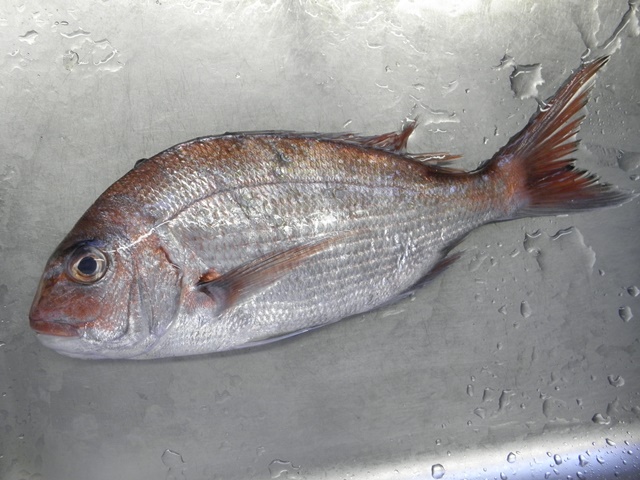
The taste is good, but cutting the sea bream for cooking is not that easy. That is another problem with sea breams. These days I am just trying to learn how to cut many kinds of fishes that are available in the supermarket where I always buy food.
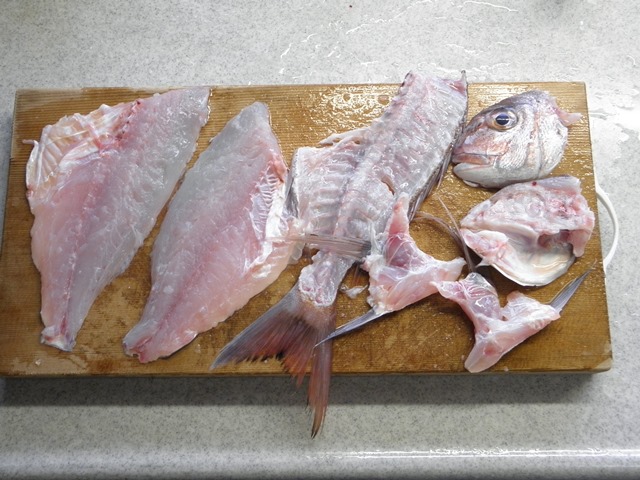
So this is what I have done with a small size sea bream. Please do not point out that thick meat remains on the back bone. Anyway, bones and the head were so hard that it needed some forces in my hand when cutting them. But that hardness could helped me a little when I was making two slices of right and left half bodies from the back bone. Yes, the bones can be a guide for the blade of knife.

I boiled the head, bones, and tails with salty water so that could be a nice soup of fish taste.

I grilled the half body slice. Salt was the only thing that I used for seasoning. I used no pepper, no spices of any kind, other than salt.
It was so nice for me to eat this with boiled rice, although I still had to be careful about bones.
Answers of Mid-Term Exam 1: Japanese Business Manner
第1回小テスト(第06週)の解答および解説
第05問 労働者の休暇
これから言う説明は、AからEの、どの言葉の説明ですか。1つ選びなさい。
説明:会社を休んでも、給料が減らされない休暇のことです。会社に入ってから6か月以上ちゃんと働いた社員に与えられます。その会社に長く勤めた人は1年間に20日の休暇が与えられます。
第10問 お客様との信頼関係
これから言う説明は、AからEの、どの言葉の説明ですか。1つ選びなさい。
説明:顧客が満足できる条件を企業が提供しているかどうかを 総合的に判断するための指標です。この指標が高いと、企業と顧客の間の信頼関係があるとされています。
試験範囲:教科書の002~087ページ
実施日 :2021年4月12日 月曜日
1.リスニング問題
第01問 個人の職務能力
これから言う説明は、AからEの、どの言葉の説明ですか。1つ選びなさい。
説明:仕事を何年も続けると、多くの経験を積み、高い技能を自分のものにしていきます。このように職業能力が高くなっていく過程や高くなった状態を言います。
A:ブランド
B:キャリア
C:チームワーク
D:コミュニケーション
E:コンセプチュアル・スキル
正答:B
解説:
定義どおりなので説明は省略する。ただし正答率は低く、23%である。誤答はE,C,Dの順に多い。正解のB以外の選択も教科書にある言葉であるが、一般的に、カタカナ語は学習者にとってはわかりにくいものである。
第02問 社会の中の企業
これから言う説明は、AからEの、どの言葉の説明ですか。1つ選びなさい。
説明:企業は健全な経営をして、社会的責任を果たします。その前提として、企業は法律、社会規範、企業倫理を守らなければなりません。
A:アサイン
B:トップ・マネジメント
C:コラボレーション
D:コンプライアンス
E:アライアンス
正答:D
解説: コンプライアンスは一般的には「法令遵守」と訳されるが、説明のように社会規範や企業倫理も含むものだと考えられる。
カタカナ語であるため、この問題も正答率があまり良くなく、54%である。誤答はCのコラボレーションが多い。
第03問 業務の改善
これから言う説明は、AからEの、どの言葉の説明ですか。1つ選びなさい。
説明:計画・立案のプラン、実施・実行のドゥー、点検・評価のチェック、そして処置・改善のアクトをします。これを1回やったら、次に繰り返すときには、1回目よりも上手にやって、継続的に仕事のやり方を良くしていきます。
A:見える化
B:QC活動
C:エックス バーR管理法
D:コーポレート・ガバナンス
E:PDCAサイクル
正答:E
解説:PDCAサイクルの重要な点は、やったことを評価し、次にやるときに改善されるよう行動するということである。やりっ放しで評価も改善もしないで漫然と惰性で繰り返している仕事が案外多い。
正答率は73%でやや良い。誤答はBとDがやや多い。BのQC活動は授業中に説明していない用語である。
第04問 リスクマネジメント
これから言う説明は、AからEの、どの言葉の説明ですか。1つ選びなさい。
説明:企業活動を続ける中で発生が予想される各種のリスクに対して、日常的に準備や予防的な対策をとることです。また、危機的な状況が発生してしまったときは、適切な対応をすばやく行うことです。
A:リスク評価
B:リスク移転
C:リスク・マネジメント
D:予防的措置
E:リスク対応経験の知識管理
正答:C
解説:A,B,D,Eはリスクマネジメントの一環として行うものであり、説明文で言っていることを総称するとCのリスクマネジメントになる。
正答率は42%で低い。誤答はBとDが多い。
第05問 労働者の休暇
これから言う説明は、AからEの、どの言葉の説明ですか。1つ選びなさい。
説明:会社を休んでも、給料が減らされない休暇のことです。会社に入ってから6か月以上ちゃんと働いた社員に与えられます。その会社に長く勤めた人は1年間に20日の休暇が与えられます。
A:年次有給休暇
B:介護休暇
C:裁量労働時間制
D:永年勤続者特別休暇
E:育児休業
正答:A
解説:年次有給休暇は労働者の権利である。会社の上司に許してもらって休むようなものではない。とはいっても、なかなか有給休暇は取得しにくく、毎年何日も余してしまうことが多い。2019年4月から、10日以上有給休暇がもらえる人は、計画的に5日間休むことが義務づけられた。残りの日数は本人が自由に取得する休暇として使える。
この問題以降は第9問を除いてカタカナ語ではないため、正答率は高くなった。ただし、回答しているうちに難しさを感じ,だんだんとルームメイト同士で教え合うようになったために、後ろの問題ほど正答率が上がるという結果になったのかもしれない。
この問題の正答率は65%であった。誤答はDが多い。説明にある「その会社に長く勤めた人は」によってDを選んだと考えられるが、Dは授業中に説明していない用語である。
第06問 年金保険制度
これから言う説明は、AからEの、どの言葉の説明ですか。1つ選びなさい。
説明:働く人とその家族が病気やケガをしたとき、子どもを産んだとき、亡くなったときに、医療費や手当金を支払います。年金とは違います。病気になったときなどの短い期間だけ、支払われます。会社で働く人は会社の組合に入ります。
A:健康税
B:雇用保険
C:労災保険
D:厚生年金
E:健康保険
正答:E
解説:国民健康保険か、あるいは会社の健康保険組合に入っていれば、病院に行ったときの診察料は3割負担で済む。そのため、日本で病院に行くときは健康保険証を必ず持って行く。何回か通院する場合は、月の初めの通院の時に、診察券とともに健康保険証を提示する。
正答率は73%であった。誤答はCが多いが、健康保険と労災保険の違いは授業中に説明してある。
第07問 求職者の支援
これから言う説明は、AからEの、どの言葉の説明ですか。1つ選びなさい。
説明:人々が仕事を見つけられるように、国が設置している行政機関です。一般的には「ハローワーク」と呼ばれます。仕事に就きたい人の相談にのったり、仕事を紹介したり、就職ができるようにいろいろな支援を行っています。
A:年金事務所
B:公共職業安定所
C:労働基準監督署
D:厚生労働省労働局
E:職業能力開発校
正答:B
解説:特に説明は必要ないと思われる。正答率も84%と高かった。
第08問 国民の義務
これから言う説明は、AからEの、どの言葉の説明ですか。1つ選びなさい。
説明:国や地方自治体に払うお金です。このお金を払う義務があると、日本の憲法に書いてあります。お金をたくさん稼いだり、家や土地などの資産を多く持っていたり、商売でたくさんの売り上げがあると、多くのお金を払うことになります。このお金は公共サービスのために使ったり、お金持ちのお金を貧しい人に分けたり、経済の勢いを調整することなどに使います。
A:税金
B:年金
C:社会保険料
D:国債・地方債
E:地方交付税交付金
正答:A
解説:これも特に解説の必要はないであろう。正答率は77%である。税金は単に公共サービスの必要経費として使われるだけではなく、いくつかの機能があることを理解してほしかった。
第09問 コミュニケーション
これから言う説明は、AからEの、どの言葉の説明ですか。1つ選びなさい。
説明:コミュニケーションには言葉による伝達と、言葉以外の伝達があります。言葉以外の伝達は、声の高さや低さ、顔の表情、視線の向け方、身振りや手振り、姿勢や相手との位置関係などがあります。コミュニケーションでは、これらの言葉以外の伝達が、言葉そのものよりも重要な役割を果たすことがあります。
A:ホウレンソウ(報告・連絡・相談)
B:ツー・ウェイ・コミュニケーション
C:ノンバーバル・コミュニケーション
D:コンセプチュアル・スキル
E:フィードバック
正答:C
解説:(略)といいたいところだが、あえて蛇足を書くならば、第二言語を学習する者は、ボディ・ランゲージに頼りすぎないように気を付けた方が良い。
カタカナ語ではあるものの、わかりやすかったらしく、正答率は96%だった。
第10問 お客様との信頼関係
これから言う説明は、AからEの、どの言葉の説明ですか。1つ選びなさい。
説明:顧客が満足できる条件を企業が提供しているかどうかを 総合的に判断するための指標です。この指標が高いと、企業と顧客の間の信頼関係があるとされています。
A:他の人への推奨度
B:リピーター率
C:社外コミュニケーション
D:モチベーション
E:顧客満足度
正答:E
解説:(略)。正答率は65%だった。誤答はCとDが多かった。おそらく説明にある「指標」という言葉が理解できなかったと想定される。もし「指標が」理解できたら、誤答は「度」や「率」を使っているAやBが多くなったはずだからである。
2.読んで答える問題
第11問 社会人の行動
社会人の行動として、あまり適切ではないものはどれか。AからEの中から1つ選びなさい。
A:社会のルールを守り、権利と義務の主体として自分の責任を自覚する。
B:働くことによって、生活に必要な収入を得る。
C:地域社会とのつながりを重視して、地域に貢献しようとする。
D:他の人の労力を上手に利用して、自分の利益が最大になるようにする。
E:税金や社会保険料を払うことによって、国や地方公共団体に貢献する。
正答:D
解説:A,B,C,とEは教科書にかいてあることであり、社会人として必要な行動である。一方、Dはある種の人にとっては当然のことになるだろうが、このタイプの人が多いと会社どころか社会が成り立たない。面倒な仕事は他人にやらせて自分は楽をしようと思う人がいるかもしれないが、それは無理である。 まず自分に与えられた仕事は自分の努力で完成させなければならない。嫌な仕事は他の人にやってもらえば良いと思ってはならない。
ただし、注意しなければならないのは、他人の労力を全く利用しないで、自分1人だけで仕事をすることもできないということである。自分が仕事をするときは、社内の同僚、お客様、再委託先、認可官庁、地元住民など、必ず誰かのお世話になっている。お互い様であることを認識し、これらのステークホルダーとは良好な関係を保つようにしたい。
正答率は96%であった。
第12問 キャリア
キャリア形成について、①と②に入るものを正しく組み合わせたものを1つ選びなさい。
A:① 個人の出身・経歴 ② 問題発見・解決能力
B:① 個人の出身・経歴 ② 会社への忠誠度
C:① 個人の主体性 ② 問題発見・解決能力
D:① 個人の主体性 ② 会社への忠誠度
E:① 技能訓練の受講 ② 環境問題への取り組み
正答:C
解説:①について、個人の主体性を活かしたキャリア形成とは聞こえが良いが、いい面と悪い面があることに注意しなければならない。いい面としては、自分が興味を持った技能を習得していくのは楽しいということが挙げられる。また、例えば技術士資格を取得すると手当が出る会社もあり、収入増につながることもある。一方で、仕事の時間以外に資格取得の勉強をすると、個人の余暇や休息を減らすことになる。会社側からの視点では、従来型の社内教育の経費や手間を省いて、個人の主体性に押しつけている面があるのは確かだろう。
②について、仕事をする中では、次のことが重要である。まず、問題を発見する。次にその問題に対して実行可能な解決方法を考え出す。そして、その解決方法を実行する。実行後は問題解決のためにとった行動を反省・評価する。
正答率は96%であった。
第13問 日本の社会の変化
日本の社会の変化について、当てはまらないものを1つ選びなさい。
A:日本は少子高齢化のために人口減少が始まっている。
B:人口の減少により、年金・医療・介護等の負担は減少している。
C:1990年に始まった大規模なバブル崩壊により、多くの資産価値が失われた。
D:バブル崩壊後の経済低迷は「失われた20年」と呼ばれた。
E:グローバル化に対応した国際競争力の強化が求められる。
正答:B
解説:2018年5月に国が公表した「2040年を見据えた社会保障の将来見通し」によれば、2040年の社会保障給付費は2018年の約1.5倍になるとされている。人口が少し減っても、社会保障費が減少することにはならない。
正答率は88%であった。
第14 問 ビジネスにおける計算
ビジネスにおける計算について、間違っているものを1つ選びなさい。
A:数字を使うことで、量、時間、程度などが相手に伝わりやすくなる。
B:銀行業務など、お金を扱う場合は1円単位で間違いのないように計算する。
C:概数計算で良いときは、58×73を60×70のように計算すると、だいたいの答えが分かる。
D:同僚が作った表計算ワークシートを使うときは、セル内の計算式まで確認しなくてもよい。
E:電卓で計算をするときは、少なくとも2回計算して、間違っていないか確認する。
正答:D
解説:計算式が正しいか確認してから表計算ワークシートを使うこと。たとえば、合計を出すときに、合計を出したいと考えている範囲と、セル内に実際に記述されている計算式の範囲が違うことがある。
正答率は92%であった。
第15 問 労働基準法
労働基準法について間違っているものを1つ選びなさい。
A:この法律は経済効率を重視しているため、労働者保護の観点はない。
B:労働組合法、労働関係調整法と合わせて、労働三法と呼ばれている。
C:男女同一賃金の原則を規定している。
D:基本の労働時間は一週間に40時間である。
E:10人以上が働く会社は就業規則を作って行政官庁に届け出る。
正答:A
解説:労働条件は、労働者が人間らしく生活を営むための必要をみたすべきである。そのため、労働基準法は 労働条件の基準の最低限を規定している。これは労働者保護のためである。したがってAが誤りである。
正答率は92%であった。
第16 問 国民健康保険
国民健康保険について、間違っているものを1つ選びなさい。
A:社会保障および国民保険の向上に寄与することが目的である。
B:会社ではたらく人は、職場の健康保険組合に加入する。
C:加入していれば、病院で払うお金は3割で済む。
D:仕事での病気やケガは健康保険ではなく、労災保険から保険金が給付される。
E:加入するかしないかは、個人の判断に任されている。
正答:E
解説:基本的に強制加入であり、国民皆保険と呼ばれるゆえんである。
正答率はやや低く、69%である。
第17 問 コミュニケーション
コミュニケーションについて、①と②に入るものを正しく組み合わせたものを1つ選びなさい。
A:① 伝達 ② 双方向の
B:① 伝達 ② 一方向の
C:① 公開 ② 一方向の
D:① 公開 ② 強制的な
E:① 指示 ② 強制的な
正答:A
解説:「公開」と言えば、発する側が情報を表に出しただけで、受ける側がどうかは明確でない。受ける側に情報が達して意味内容が伝わることが重要であるから「伝達」がよい。フィードバックを受けたり、情報の発信者と受信者が交替するなどの点で、コミュニケーションは双方向である。
正答率は96%で高い。
第 18問 仕事での会話
仕事で話をしたり聞いたりするときの注意点として、間違っているものを1つ選びなさい。
A:話すときは相手の反応を確認しながら話す。そのため、相手の目を見る。
B:話すとき、自分の品格を保つために、なるべく和語は使わないで、漢語を多く使う。
C:専門用語、カタカナ語、略語は、知っている相手に使うのは効果的だが、知らない相手に使うと逆効果である。
D:話を聞くときは、適度にうなづいて、あいづちを打つようにする。
E:聞いた話に対して一方的な判断をしない。「判断保留」が良いときもある。
正答:B
解説:耳で聞いて分かりやすいのは和語である。Cにもあるように、相手にとって分かりやすいことがまず第一である。
正答率は92%である。
第19 問 「報連相(ホウレンソウ)」
「報告・連絡・相談」のいわゆる「報連相(ホウレンソウ)」について、間違っているものを1つ選びなさい。
A:チームで仕事をするので、メンバー同士でコミュニケーションすることが大切である。
B:上司からの指示に対して、報告・連絡・相談という形でのフィードバックをする。
C:部下から上司へのフィードバックがないとき、その部下の態度を叱責するべきである。
D:報連相は上司と部下との間の双方向の情報伝達である。一方的であってはならない。
E:上司に相談するとき、「どうすればいいか分かりません。」と言うよりは、「私はこの方法が最善だと思いますが、課長はどう思われますか。」のような具体的な提案をするのが良い。
正答:C
解説:部下からのフィードバックを妨げる何かが上司の側にある可能性もある。たとえば、ちょっと相談をしただけで怒り出す上司であれば、部下はだんだんフィードバックしなくなるであろう。まさかそんな人間が上司になれるのかと疑問に思うかもしれないが、そんな上司が実際にいるのが職場という所である。
正答率は92%であった。唯一の誤答はEだったが、内容は正しい。Eは学生諸氏におぼえておいてもらいたいことである。
第20 問 同僚や部下との関係
同僚や部下との関係で、間違っているものを1つ選びなさい。
A:会社の行事や飲み会は同僚とコミュケーションする良い機会である。
B:職場では同僚への気配りを忘れないように行動する。
C:どうしても性格的に合わない同僚がいるとき、心の中で仕事だからと割り切る。
D:部下が失敗をしたときは、失敗の後始末を部下自身でするように命令する。
E:部下には少し高めの任務を与えて、任せてみることが部下の成長につながる。
正答:D
解説:後輩や部下が何か失敗をしたときは、きちんとフォローする。小さい失敗であれば、部下自身で後始末ができるものもあるかもしれないが、大きな失敗の場合は先輩・上司として、手助けをする。失敗の影響が自分に及ばないように、自分は関係ないという態度をとるのはよくない。また、失敗した後輩を頭ごなしに叱りつけるのはよくない。特に、他の人が見ている前で失敗した人を叱りつけるのはパワーハラスメントの一種である。
正答率は96%であった。
第1回小テストをふり返って
1学期に4年生にこの商務礼儀実訓を教えたときは、このような小テストはしなかった。そのときは週に2回授業をやって、学期の前半で終わらせる受業であったため、小テストをする余裕もなかった。今回の3年生の授業は週1回で学期にわたって実施されるために時間的余裕がすこしあること、それからいくつかの理由から、小テストをすることにした。
実施した以上は、評価し、次への改善を考えなければならない。今回は 技術的なことでいえば、一方のクラスからはリスニングテストの音声がよく聞こえないとの指摘があり、20問のうち前半のテストをやめてしまった。原因については、すこし心当たりのあることはあるが、あとで回答を見てみると、きちんと聞こえていた学生も多かったようである。2回目や3回目の小テストの時に改善を図りたい。
なお、まだあまり分析できていないということと、ここで「手の内」をあまり見せたくないということもあり、余計なことは書かないことにしたい。いずれにしても、オンラインという不自然な状況で授業をしており、小テストもオンラインで学生たちに指示を出す。効率的なようでいて、やはり対面授業に比べれば、さまざまな点で不利である。
Short Compositions on April 12th in Japanese Business Manner Class
Short Compositions on April 12th in Japanese Business Manner Class
3年生:商務礼儀実訓:第6週の作文の回答例
以下の回答例は教師の個人的な意見を書いたものである。そのため、実社会で本当に有効かどうかは保証の限りではない。また、このように書けば得点が高くなるというものでもないので、学生諸氏においてはその点を留意してほしい。評点は5点が最高で、最低は0点である。
以下の回答例は授業で使用している以下の教科書を参照している。
外語教学与研究出版社「日本商務礼儀教程」2017.6、48.0元
この教科書は日本公益社団法人 全国経理教育協会主催 社会人マナー検定試験指定教材をこちらの国の中で教科書として出版したものである。
1問目
A問題
問:自分が相手に話をするときの留意点はどんなことですか。その留意点はどうして必要ですか。
回答例:自分が相手に何を伝えたいのか、自分自身の考えを整理して話す。話すときには相手の表情や反応からフィードバックを得る。それにより伝えたいことが相手に理解されているか確認し、必要な場合は、より伝わりやすい話し方に変えたりする。(110文字)
回答者13名、4点4名、3点2名、2点5名、1点1名、0点1名
B問題
問:自分が他の人の話を聞くときの留意点は何ですか。複数挙げなさい。
回答例:先入観を持たないで話を聞く。相手の話におかしな点があるとか、あまり意味のない話だと感じても、拙速な判断を下さないようにする。質問して話し手の意図を確認することも大切である。場合によっては判断を保留し、時間をかけて対応を判断する。(114文字)
回答者12名、5点0名、4点2名、3点1名、2点9名、
C問題
問:ノンバーバル・コミュニケーションとは どんなものですか。また、具体的には どんな形で表れますか。
回答例:言語を使わないコミュニケーション手段である。視線、表情、身ぶり、姿勢、相手との距離の置き方などに表れる。言語を用いているときの口調や音量、声の高さや低さ、字の丁寧さや乱暴さなども含めることがある。コミュニケーションに大きな影響がある。(117文字)
回答者11名、4点1名、3点6名、2点3名、1点1名
D問題
コミュニケーションを上手にするために、どんなことに気をつけたらいいですか。
回答例1:自分の思いを上手に伝えるためには、聞いてくれる相手にとってわかりやすい情報発信をすることが必要である。すなわち、誰にでもわかる言葉を選んで使い、専門用語は相手の理解促進につながるか判断して使う。話すときのスピードや発音の明瞭さにも注意する。(120字)
回答例2:コミュニケーションはよくキャッチボールにたとえられるように、双方向のやりとりである。そのため、話し上手であると同時に聞き上手でもあることが望ましい。相手の反応を聞き、自分が何を求められているかを読み取って、より効果的な意思伝達につなげていく。(121字)
回答者12名、4点4名、3点4名、2点4名、
2問目
E問題
問:職場の人間関係とは、どんなものですか。自由に想像して書きなさい。回答例:職場には社長、部長、課長、課員、アルバイトなどの上下関係、つまり縦の関係がある。一方で、同期入社の人同士が横の関係を作っていたりする。職場には高学歴の人もいれば、学歴はそれほどでなくても職務経験が豊富な人もいる。多様性のある人々が集まる職場には複雑な人間関係がある。(133字)
回答者13名、5点1名、4点3名、3点4名、2点3名、1点1名、0点1名
F問題
問:同僚とよい関係を維持するために、どんなふうに行動しますか。具体的な例を挙げなさい。
回答例:普段からの良好なコミュニケーションを積み重ねるようにする。明るい態度で対応し、不要なことで迷惑をかけないようにする。助け合いが必要な時はきちんと対応して同僚の期待に応える。そして自分が信頼できる人間であることを同僚たちに感じてもらえるように努力する。(125字)
回答者12名、4点1名、3点6名、2点4名、1点1名
G問題
問:後輩を育成するとき、気をつけることは何ですか。複数挙げなさい。
回答例:自分の方が職務経歴が長いとしても、それで後輩より偉いというものではない。同じ職場で同じ業務を協力して成し遂げるチームの1人として接する。後輩の育成は、従来型の根性論的な教育方法よりは、後輩個人の特性を見極めて行う必要があるだろう。(115字)回答者11名、4点1名、3点7名、2点3名
H問題
問:仕事で、ホウレンソウをきちんとしないと、どんなことが起こりますか。
回答例:情報が伝達されなくなり、仕事の遅れや、不適切な判断を引き起こす。最悪は事故や災害の原因にもなる。ホウレンソウがうまくいかないのは職場内の人間関係がよくないことが原因のこともある。ホウレンソウ欠如による業務の失敗が重なると、職場の人間関係をさらに悪化させる。(128字)
回答者12名、4点2名、3点4名、2点6名
今日の授業をふり返って
今回、オンライン授業のやり方に大きな変化を与えた。これまで実施していた授業中のクイズをやめて、短い作文をしてもらうことにした。学生の回答パターンを見ると、寮の部屋の中で答えを教え合っていることが明らかだった。今回寮の部屋割りを調べたところ、多くの部屋でルームメートが同時にクラスメートであった。このような部屋は答えの共有が行われやすい。一方で、ルームメイトにクラスメートがいない学生もいることが判明した。部屋にクラスメートがいる学生は教えあって高得点が可能であるが、教えあうクラスメートのいない1人ぼっちの学生は独力で回答しなければならない。これは不公平である。
この不公平を解消するため、これまでの5問クイズはやめて、短い作文を2回してもらうことにした。そして、ルームメイト同士で助けあうことがないように、4種類の作文課題を用意して、同じ部屋の4人それぞれが別の課題で作文するようにした。今日はじめてこの方法を実施したので、作文は予定の5分より時間がかかり、8分程度で提出させた。次回以降はなるべく5分で提出させるようにしたいと思う。
もちろんこの方法にも良い点と悪い点があるだろう。採点してみた感触として、作文どころか教科書の該当箇所を丸写ししている学生が多かった。内容を理解した上で、自分の解釈を自分の日本語で表現することは、まだ難しいレベルの学生が多いことも事実である。しかし箇条書きまで教科書そっくりそのままのものにはがっくりした。そのような答案は2点か1点にした。



 Agony or Fun?! Second Language Learning