1-6 Morning Market in the Town of Niitsu, Niigata Pref., JAPAN.

This morning I wanted to go to 1-6 morning market in the town of Niitsu. It has been a while since the I last time I went there. This blog has got many viewers to the pages about Ms. Yamashita’s Kimchi. But I hadn’t bought her Kimchi for several months now.
Although I tried getting on a train at 9 a.m, I missed it. I thought I wouldn’t like to wait for the next train. So I walked to the town of Niitsu from my village. It was about two and half miles. It took 50 minutes or so.

On the way to Niitsu, I found that persimmon was now getting yellow.

1-6 means that the market is held on the date whose last digit is 1 or 6. Today is 26th of September. Most of the shops open only on morning hours (Yes, it’s “Morning Market”).

Once I bought seedlings of “Akita Butterbur” from this flower shop person. But I could not grow butterbur well. They were ruined.

This is what I bought today.

Clockwise from the top,

Pears 300 JPY

Grape 1000 JPY

Chinese Cabbage Kimchi 700 JPY

Ginger 300 JPY

Total was 2300 JPY (21USD approx.).

I got the First Shot of Corona Vaccine Yesterday.

I just want to know how many people have titled their blogs with the same words as I did here. But I am sure mine is a little late. In Japan, vaccination was started for elderly and medical personnel. I am not young by any means, but not old to be given priority for the vaccination. So I had to wait for the time when my age group is permitted to get the shot.

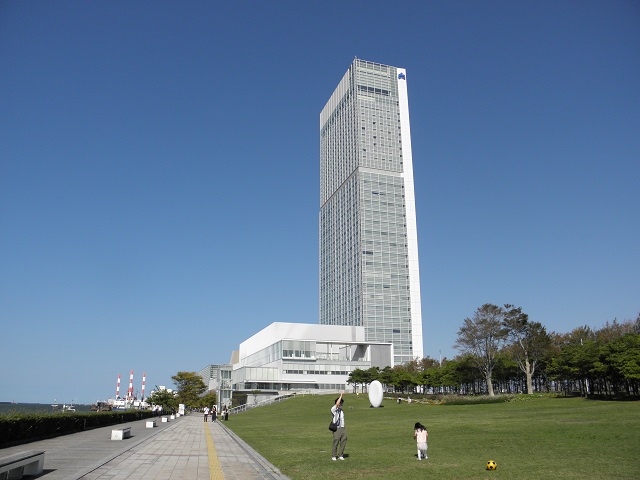
The photo is the building that is being used for the mass vaccination site. After I got it, though I wanted to get on a free shuttle bus, I could not find where the bus stop was. So I just walked to get back JR station.

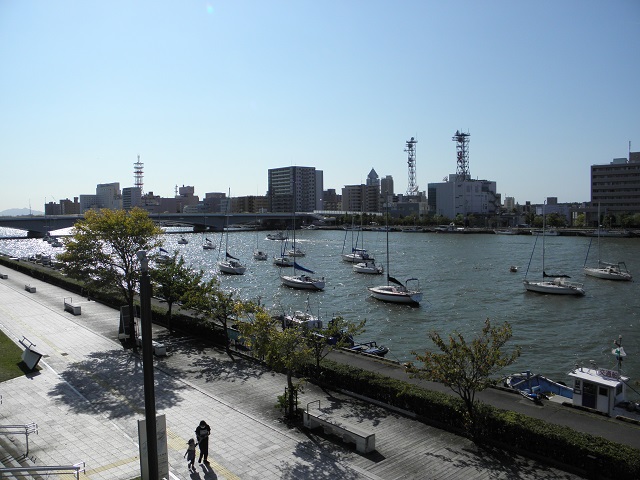
There were many yachts floating on the river.

I was surprised that the water shuttle was still in operation amid this Corona pandemic. I had thought the company had got bankrupt already.

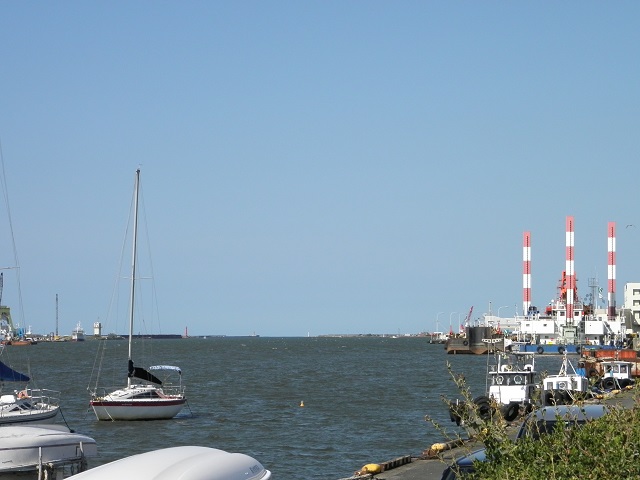
The river mouth was heading towards north into the sea.

So Many Thanks to Likes from Cooking Blogs, Though I’m not Good at It.

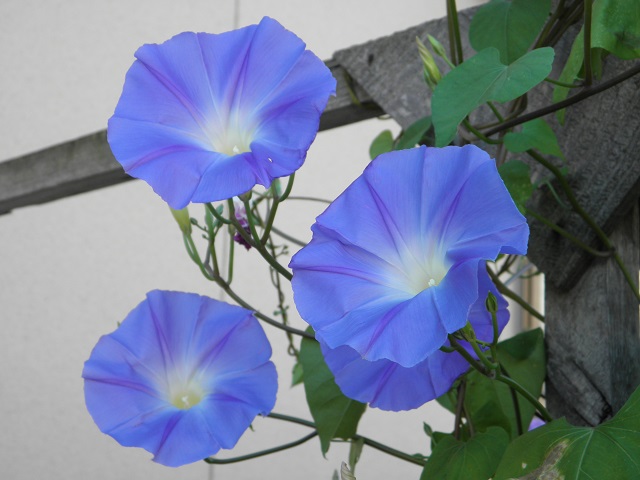
The morning glory has started blooming at the entrance of my house. They are not Japanese species but western morning glory named “Heavenly Blue”.

I have to express my thanks to those cooking/cuisine blogs that like my tiny little blog. But I don’t think I am a good cooking person. I just boil everything in hot water. That’s it.

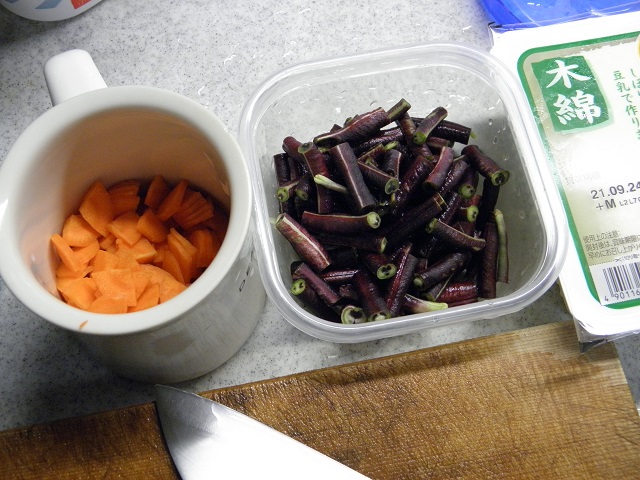
For example, I put those pieces of carrot and purple beans into Miso-Soup, with tofu.

Of course I don’t boil tomato, most of the time. These tomato, green beans, and okra came from my garden.

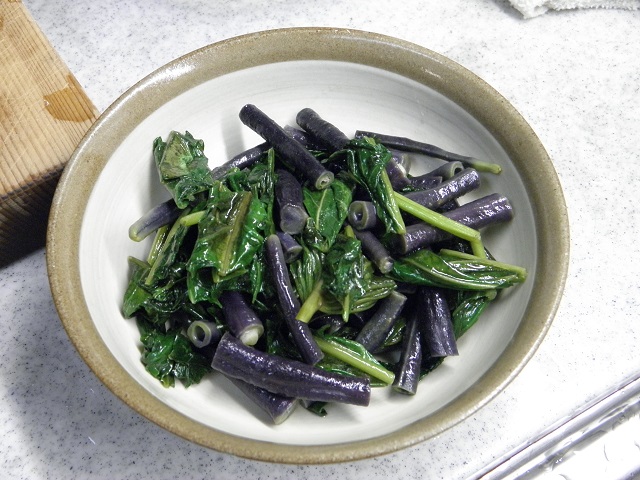
It is rare for me to heat with oil in a pan. But I tried it yesterday. I think I should have put more green leaves because they were shrunk by the heat.

Cooking a supper takes more than one hour. Usually it is one hour and 20 minutes for me to cook. But I eat what I cooked within 15 minutes. Long cooking time but short eating time.

Walked Around, Took Pictures, and Came Home: The Same Pictures Again and Again.

These pictures look like all the same as what I had already uploaded here. I can not go far from my house under the restriction due to corona virus pandemic. I go out only for shopping food or just walked around my house in rural town in northern part of Japan, Niigata.

A tree is standing on the slope of river bank. And it is also in front of a Japanese Shinto Shrine. It is not that big tree. But I guess this tree has seen many village people for 2 to 3 hundred years or so.

The hall of worship of the Shinto Shrine. Actually, this was not the shrine that I played with my friends when I was a kid. My “playing ground shrine” is even smaller than this.

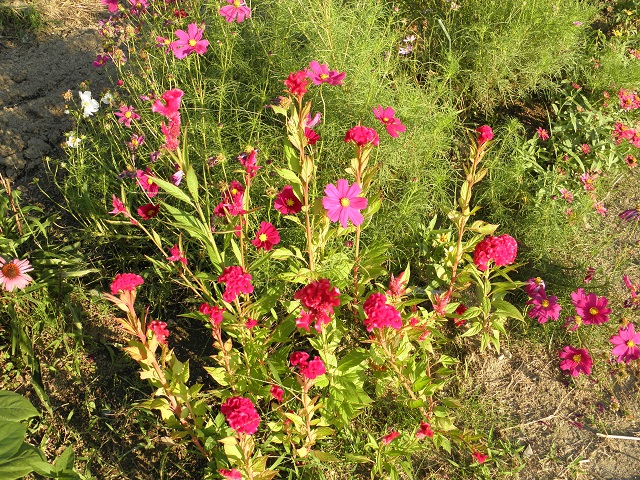
Flowers of crape myrtle are blooming in the shrine area. Since I have spent all my hours to make Power Point slides for online teaching, I think I have missed the best time of crape myrtle flowers in this summer.

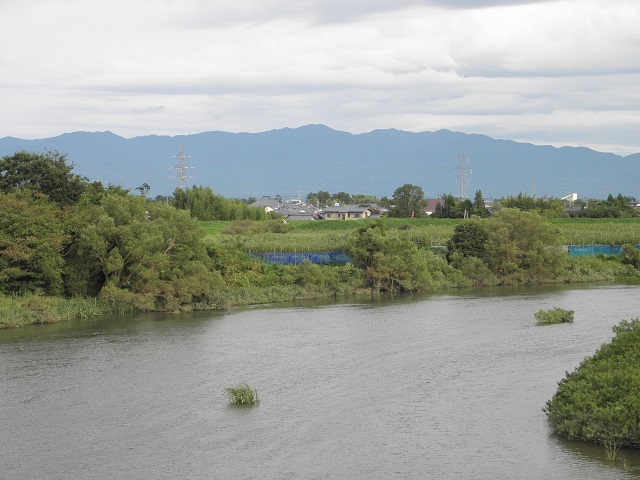
I kept walking on a path of river bank.

I found a convolvulus flower. This is also a summer flower. I saw that the season for this flower was also about to end. We Japanese call the flowers of “morning glory” as “morning face (Asa-gao)” and call the flowers of “convolvulus” as “daytime face (Hiru-gao)”.

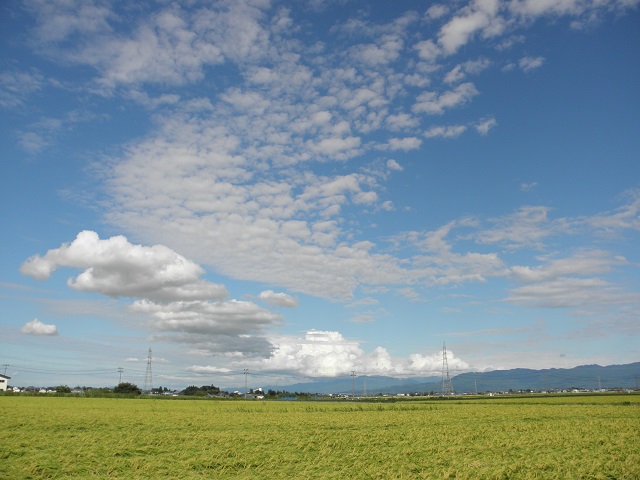
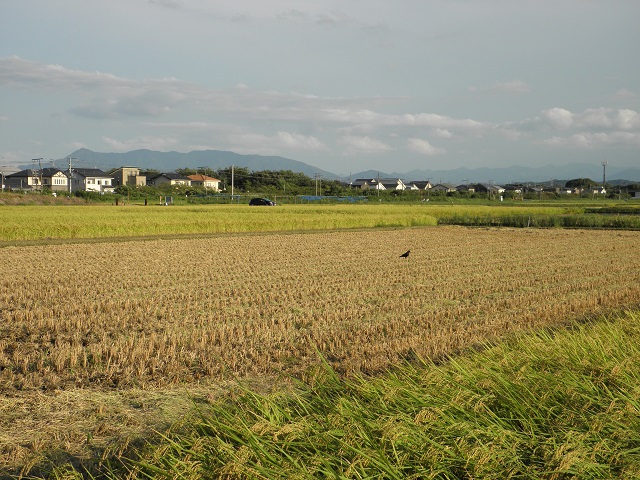
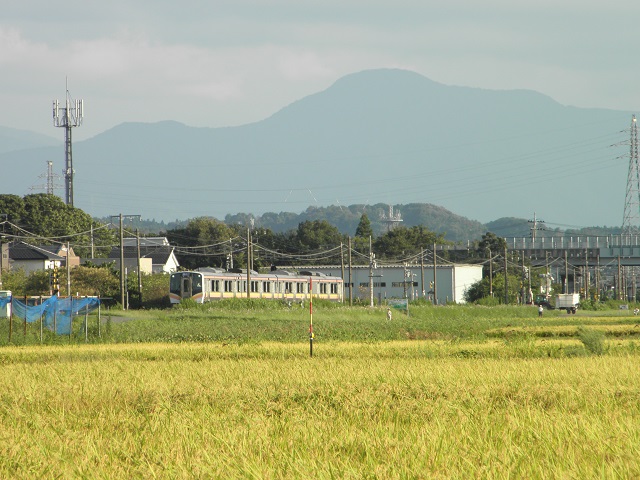
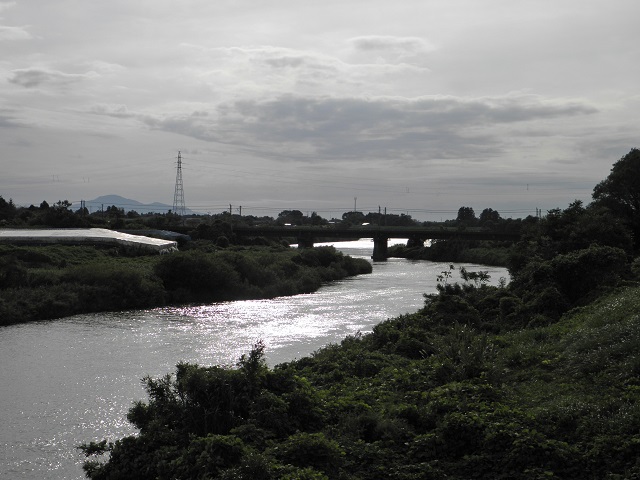
This is a view of my hometown, where I live now.

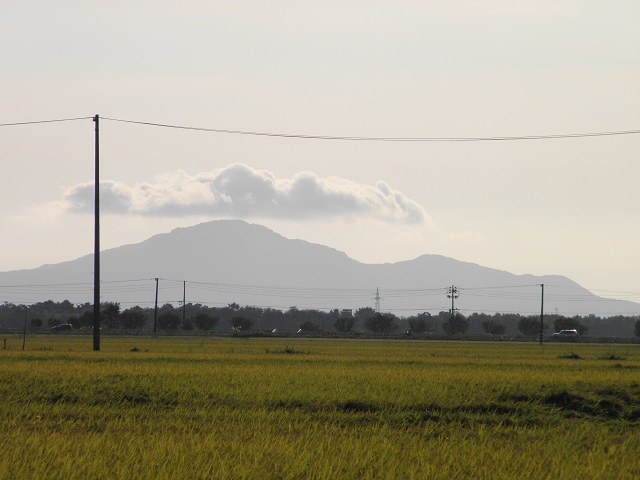
Far behind the river, I saw the ridge of Gozu Mountain whose highest point is 972 meters (3200ft).

I wanted to take a picture of trains running on the bridge. I waited for the trains’ coming. But that didn’t come. I knew that I could not take a good picture because of reverse light of sunshine. So, I stopped waiting and gave up the idea to take a picture of trains. I just came back home.

5 Japanese Songs that are Public Domain (2)

These songs are now regarded as public domain for lyrics and compositions. But all right is reserved as to my (LQ Laoshi’s) playing music. Please enjoy the songs. Thank you!


“Donguri Korokoro”, Words by Nagayoshi AOKI, Song by Tadashi YANADA


“Nanatsuno Ko”, Words by Ujo NOGUCHI, song by Nagayo MOTOORI


“Momiji”, Words by Tatsuyuki TAKANO, song by Teiichi OKANO


“Aka Tombo”, Words by Rofuu MIKI, song by Kousaku YAMADA


“Yuki (Snow)”, the songwriter is unknown.


These songs are now regarded as public domain for lyrics and compositions. But all right is reserved as to my (LQ Laoshi’s) playing music. Please enjoy the songs. Thank you!

5 Japanese Songs that are Public Domain (1)

These songs are now regarded as public domain for lyrics and compositions. But all right is reserved as to my (LQ Laoshi’s) playing music. Please enjoy the songs. Thank you!


“Katatsumuri (Snail)” Songwriter is unknown


“Shabondama (Soap Bubbles)” Words by Ujo NOGUCHI, song by Shimpei NAKAYAMA


“Furusato (Hometown)” Words by Tatsuyuki TAKANO, song by Teiichi OKANO


“Mushino Koe (Bugs Crying )” Songwriter is unknown


“Hamabeno Uta (Song of the seashore)” Words by Kokei HAYASHI, song by Tamezou NARITA


These songs are now regarded as public domain for lyrics and compositions. But all right is reserved as to my (LQ Laoshi’s) playing music. Please enjoy the songs. Thank you!

ソプラノとアルトの声域を音で聞いて判断

ソプラノとアルトの声域をじかに音で聞いて判断したいことがあると思います。

ソプラノ:中央cの隣のdから、中央cの2オクターブ上のcまで(D7が2つ分)

アルト:中央cの4度下のgから、1オクターブと7度(G7が2つ分)

厳密にはもう少し幅があると思いますが、目安をつけるために使ってください。

Apples Steamed with Sugar

My another photo blog “LQ Laoshi’s Photo Gallery”(outside wordpress)


I don’t know the name of what I cooked. I steamed small apples with sugar.
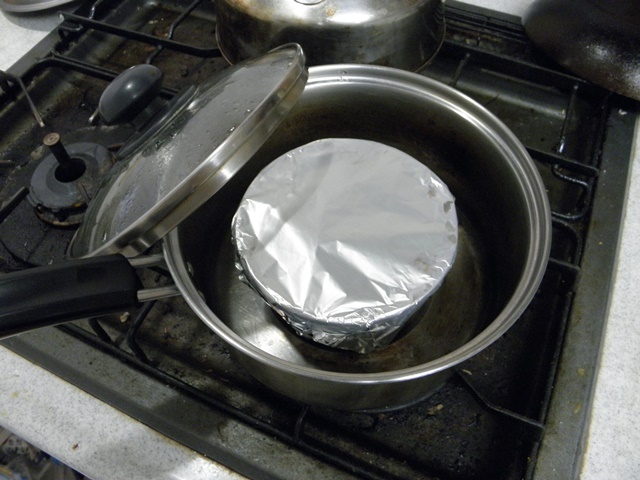
Photo taken in Niigata JAPAN

There are several apple trees in my garden. One of apple trees “Ourin” has got some apples. My mom is happy with that and she had taken some fruits from the tree. She just wanted to take them, didn’t care about the apples were ripe or not. To eat, or not to eat, that was not a question to her. Although she said she might offer those apples in front of the photograph of Dad who died last year, she just left the apples on the table.

My dad had been a poor boy when he was a kid. His dad, my father’s side grandpa, died of tuberculosis when he was a kid. Also that was when all the Japanese suffered from lack of food after the WWII. So my dad had never wasted food. I feel like I inherited his DNA that does not waste any food. This evening, just before I started cooking supper, I found the apples were still left on the table. They were three. I tasted one, which was hard and sour, too early to harvest. I gave up eating it. There were still two left. I decided to heat those immature apples by steam in the pan.

At first, I tried digging a hole on the top of apple because I wanted to get rid of seeds. But it is small apple. In order to do that, my smallest spoon was still too large. So I did that with the end part of the spoon (haft?). The purpose of the hole on apple is not only for removing seeds. After getting rid of seeds, I filled the hole with sugar. I put two small apples with sugar in a bowl and covered the bowl with aluminum foil. And then l poured water a half inch depth into a deep pan, put the bowl in the pan, heated the pan 15 minutes.
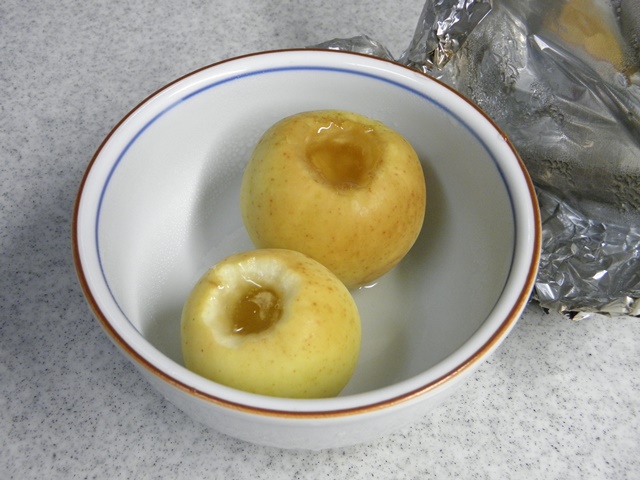
Photo taken in Niigata JAPAN

This is what I got. I put this in refrigerator tonight. I will eat the sweet and chilled apple as a desert for a breakfast tomorrow morning.

I ate it this morning. It was hard. 15 minutes boiling could not make it soft. Taste was so-so. And there’s one thing I forgot to write yesterday. I don’t have a microwave. If I had a microwave, heating time could have been shortened.
日本語学習:[イ形容詞]+[動詞]のときのイ形容詞の変化

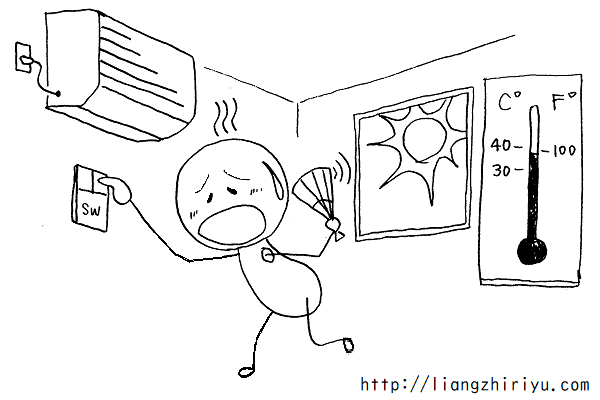
illustration in which a person is turning the switch on to start air-conditioner

次のようなクイズを学生に出し、回答を得ました。


【クイズ】
友達に聞いてはいけません。教科書を見てもいけません。自分の日本語力で答えなさい。無記名投票ですから、名前は分かりません。安心して選んでください。明日の夜中が締め切りです。

A:エアコンをつけて、部屋をすずしいにします。

B:エアコンをつけて、部屋をすずしくします。


正解はです。回答数64のうち、正答は54で、正答率は84%でした。学習者には別途、学習年数ごとの正答率をDingtalkで示しました。正答率が高くてよかったのですが、「すずしいにします」を選んだ学生は、つぎのことが考えられます。

(1) 活用が よく分からないから、活用しないで使う。
(2) イ形容詞みたいな ナ形容詞「きれいな」の文で、
  例A:掃除をして、部屋をきれいにします。
 などを見たから、「いに・します」でいいと思っている。
この(1)と(2)はいけません(例Aは正しい文です)。

次のようにしてください。
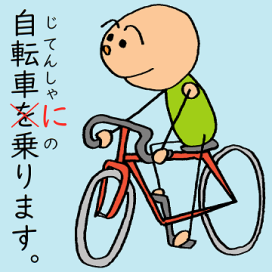
・イ形容詞で動詞や他の形容詞を修飾するときは、「い」を「く」に変えてください。
  例B:イ形容詞「速い」+動詞「歩きます」
      → 速く 歩きます。
・イ形容詞みたいなナ形容詞「きれいな」「きらいな」「ゆかいな」などに注意しましょう。ナ形容詞で動詞や他の形容詞を修飾するときは、「な」を「に」に変えてください。
  例C:ナ形容詞「きれいな」+動詞「洗います」
      → 手を きれいに 洗います。

蛇足ですが、動詞「違う(ちがう)」をイ形容詞×「違い」だと思っている学生も多いです。

以上の記事は私の学生に向けて書いたものですから、あしからず。