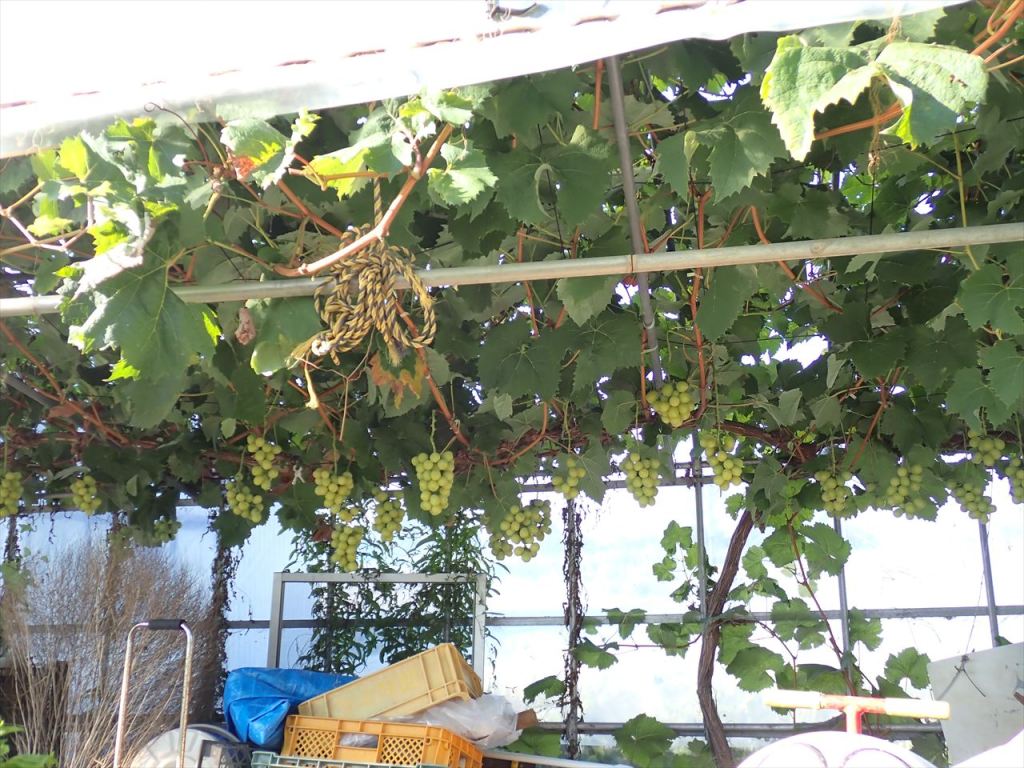
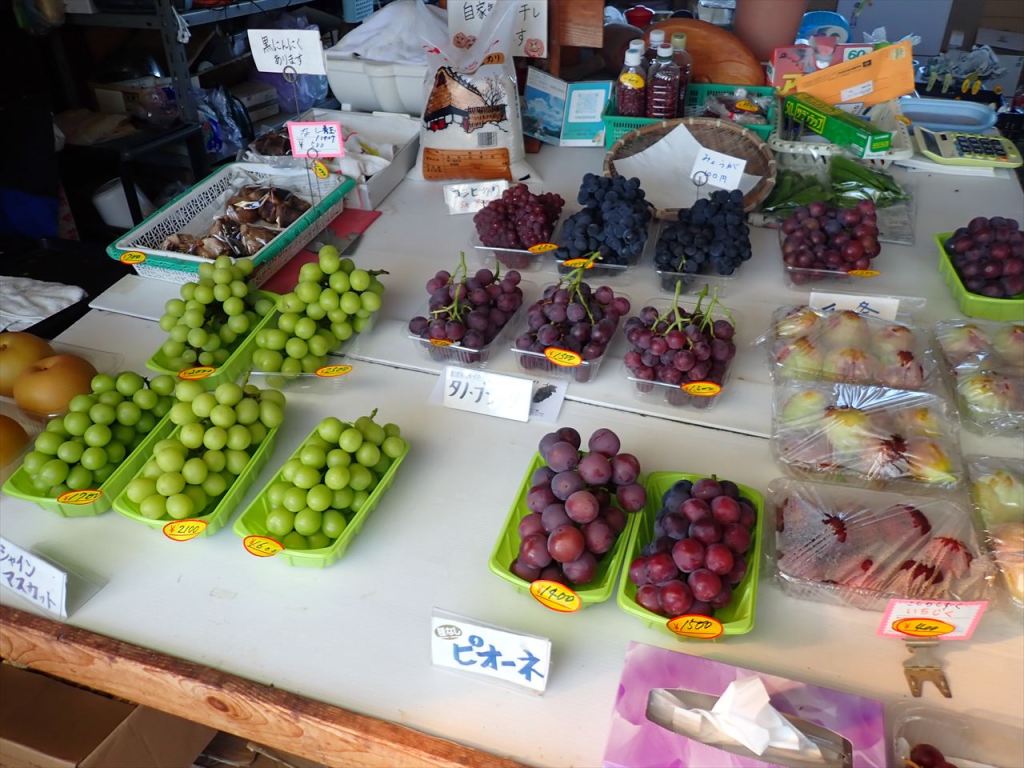
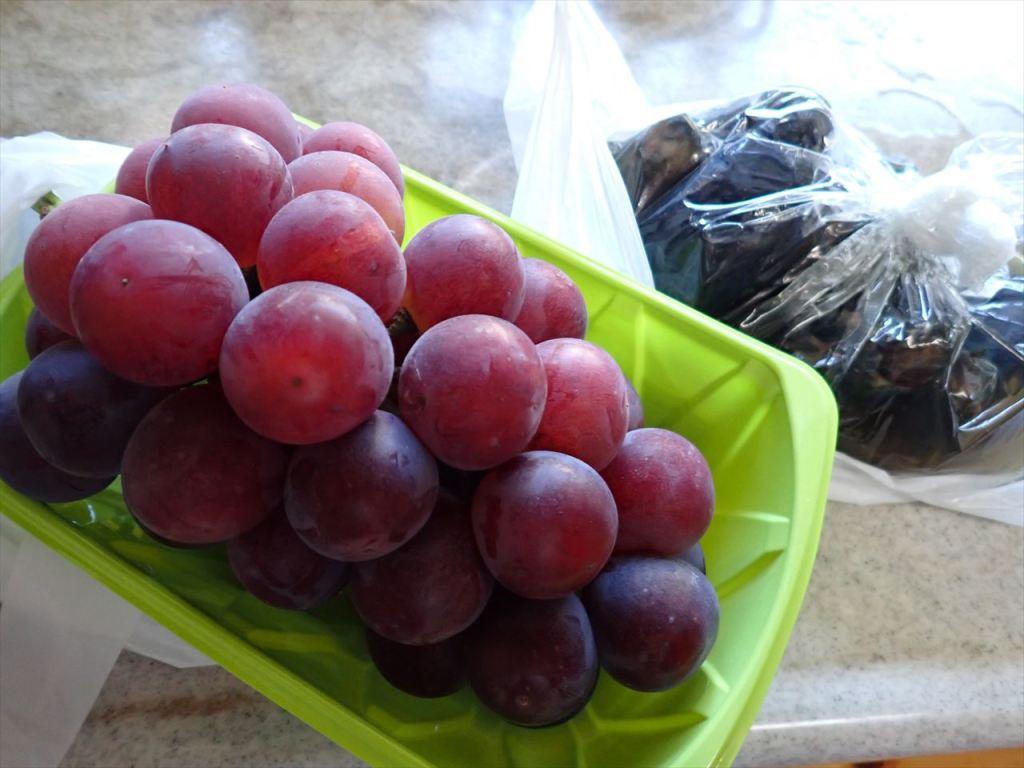
Grapes 1400 + Salty Eggplants 200 = 1600 JPY
Agony or Fun?! Second Language Learning
I am a native Japanese speaker who used to teach Japanese in a university somewhere on this planet. Currently I don't work but stayed in my house in Northern part of JAPAN. I hope that you could enjoy reading my posts and know what life in Japan is like.
Grapes 1400 + Salty Eggplants 200 = 1600 JPY
It takes long hours for me to write the posts of “Japanese Learning”. Now I have reached the section 40 of “Minna no Nihongo”. That means the items to learn are gradually reaching the intermediate level. This simply increase my effort to write explanations about what are written in the exercise A. In the second book, the number of the exercise As in one section is less than in the first book. So, each exercise A has more volumes than before.
I spend several hours for one post, but at the same time I have to do many house chores. Plus now is the season to work on the field.
Though I want to finish the section 50 until the year end, I am not sure if I can make it or not.
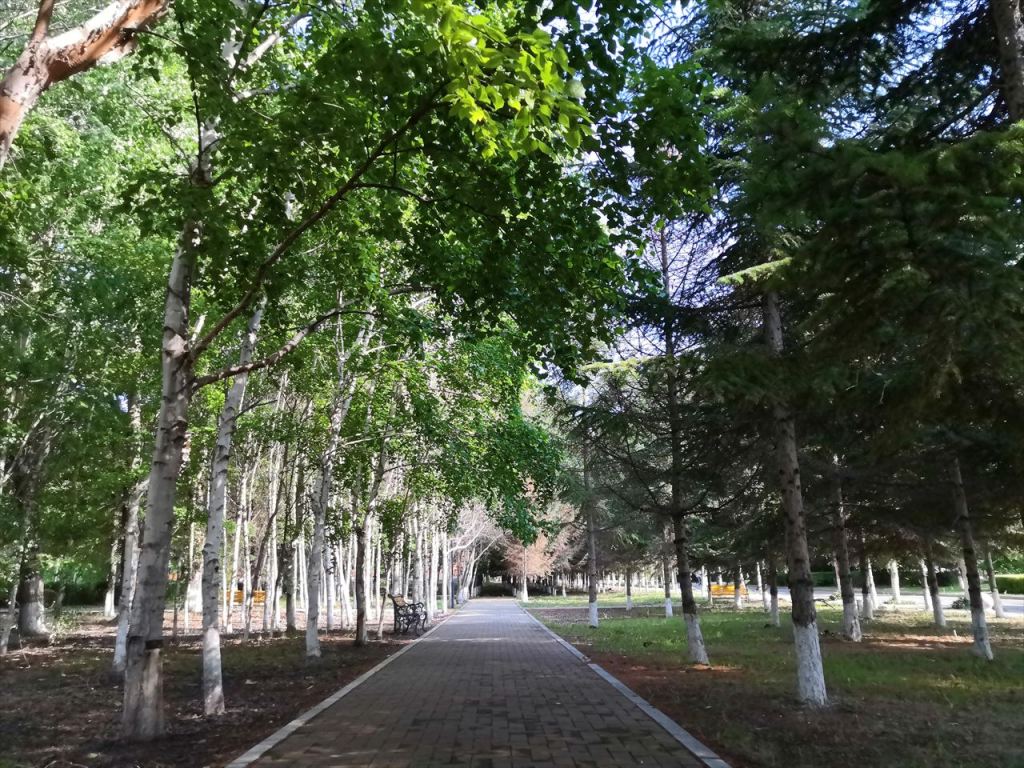
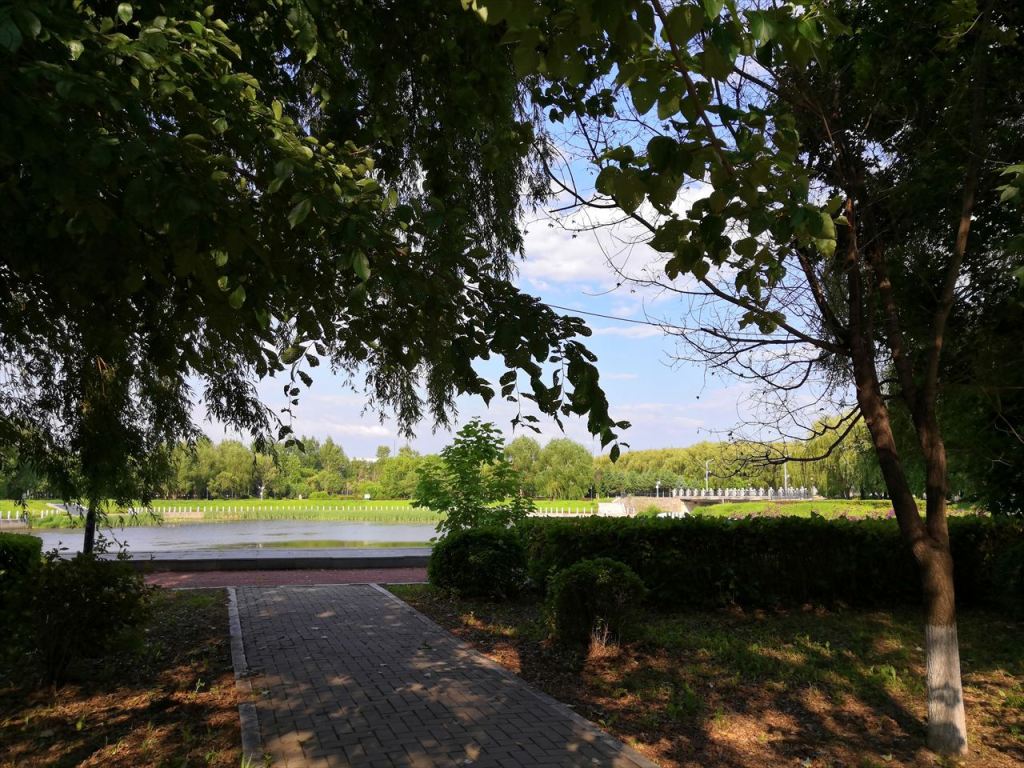
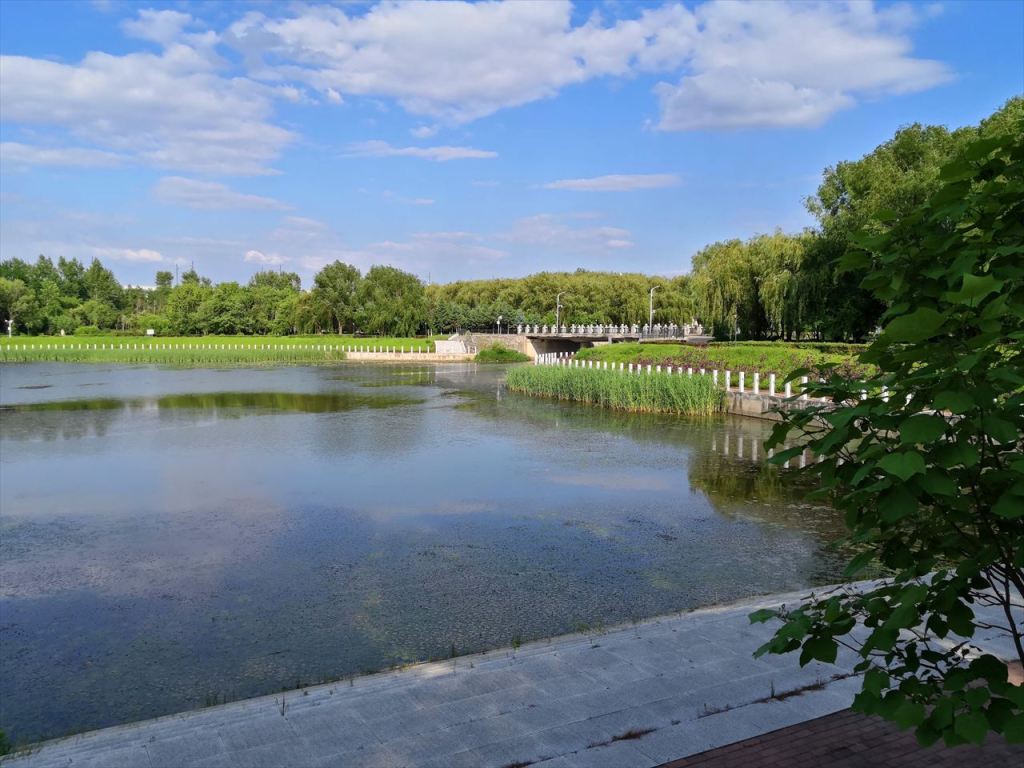
The followings are photos that I took in June, 2025.
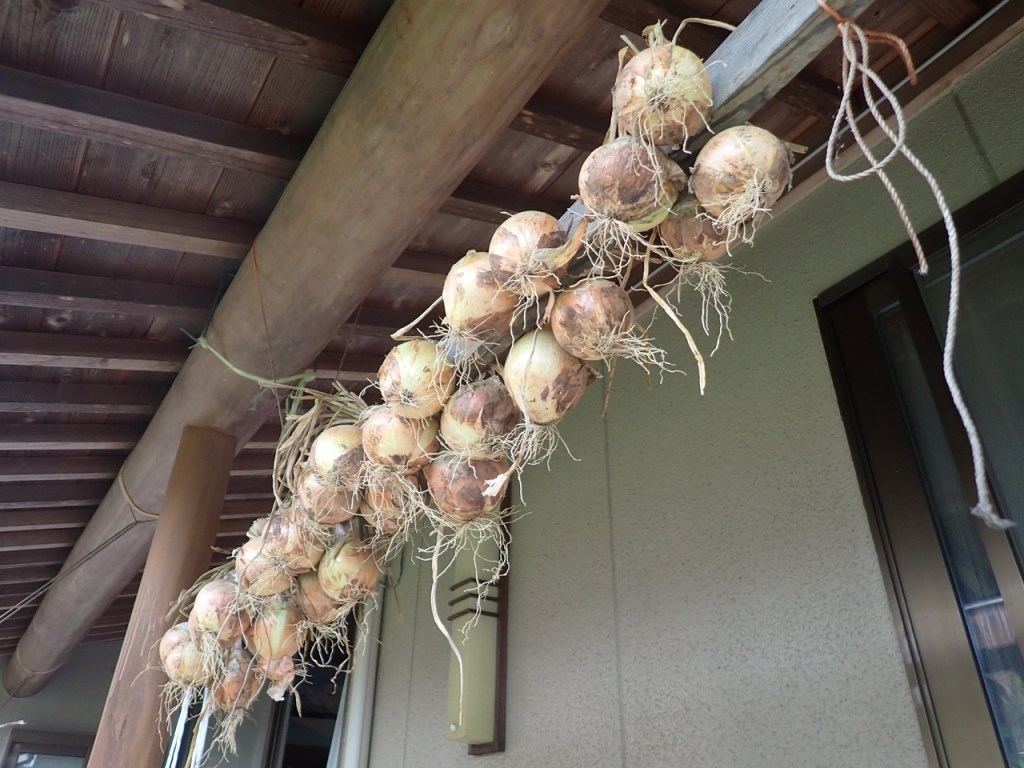
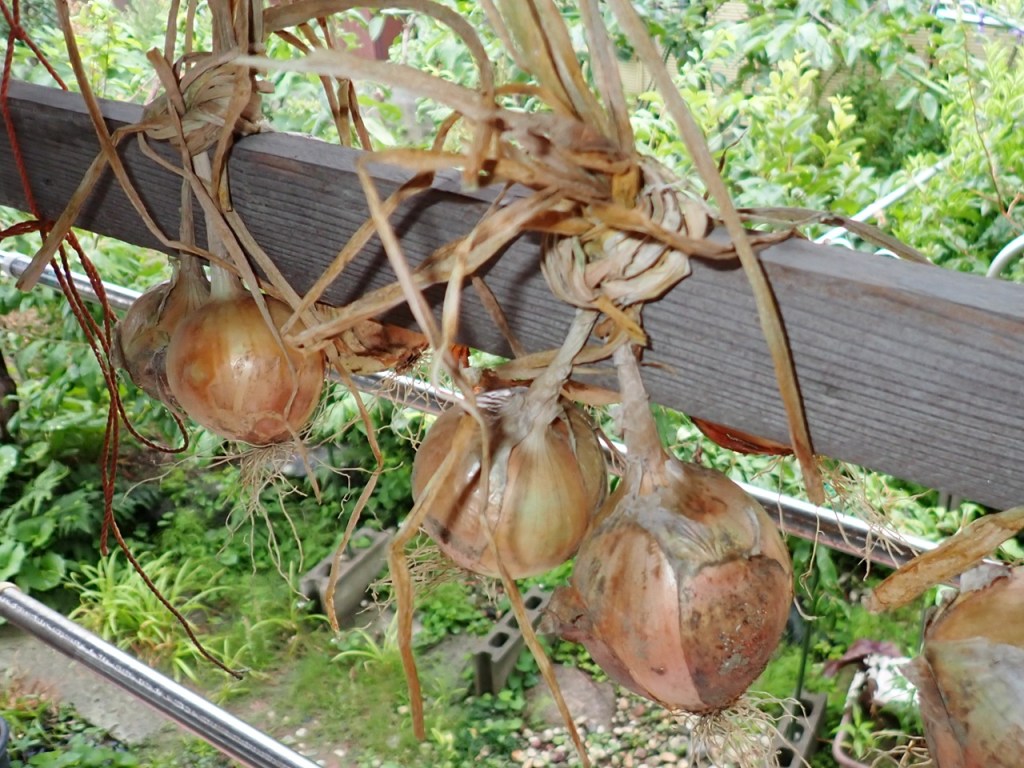
If you cut the upper part of onions when you harvest them, you would find it difficult to hang them. It is necessary to hang them in order to keep them long.
Though nothing has to do with the title,
I don’t like artificial color for food.
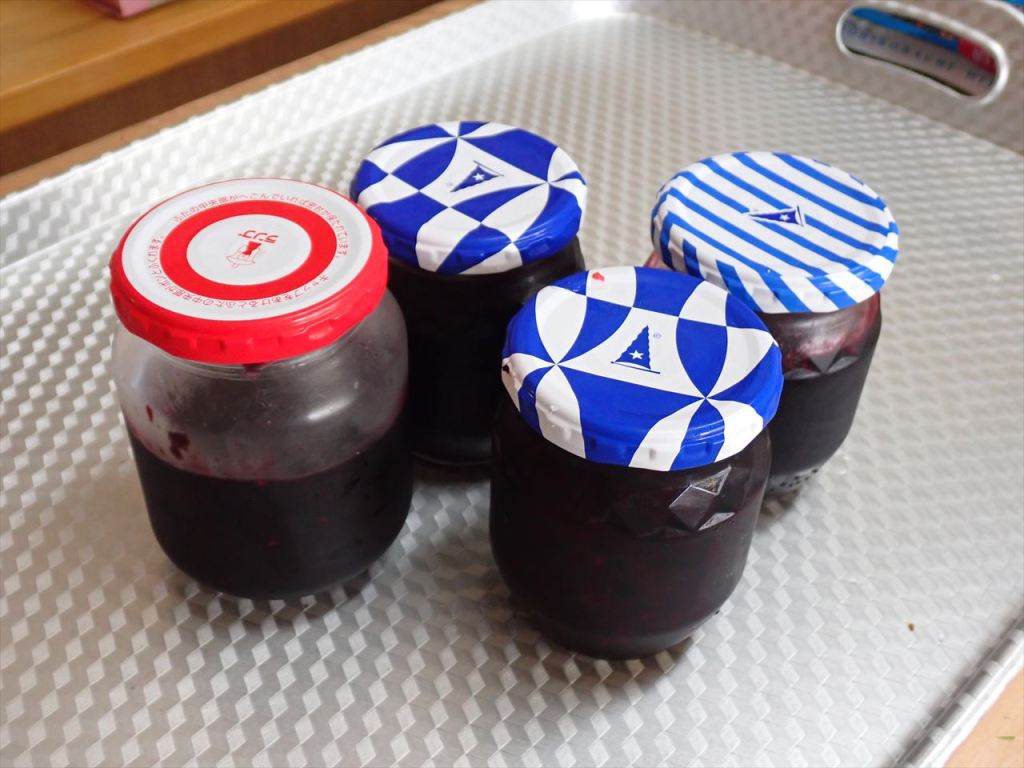
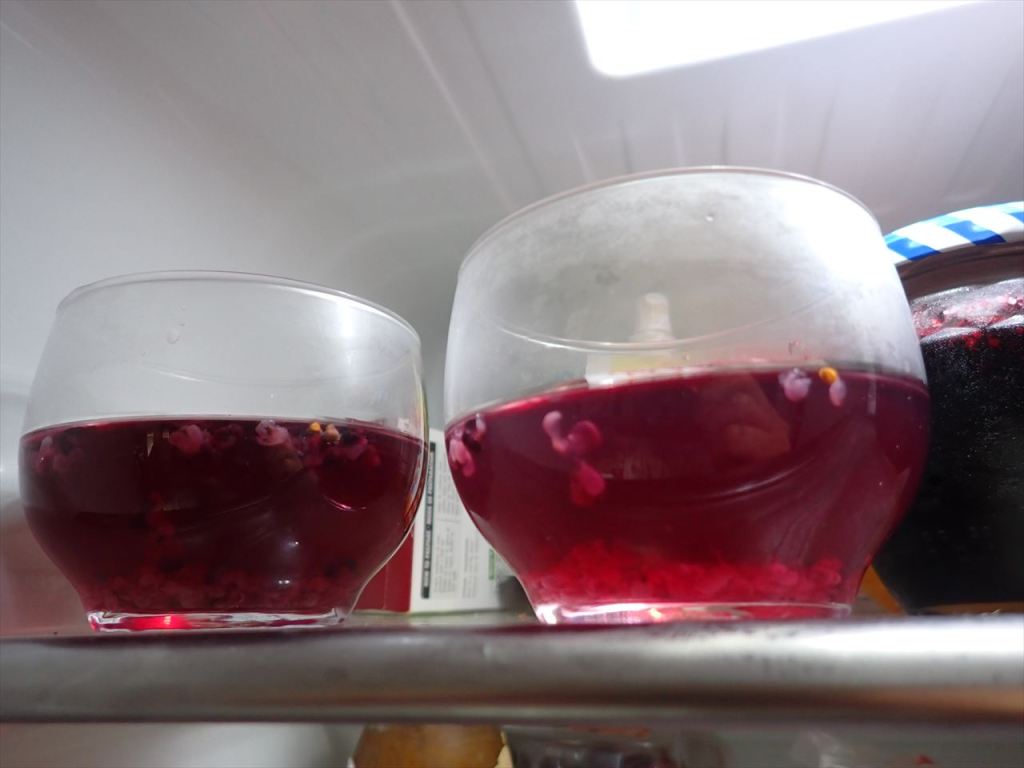
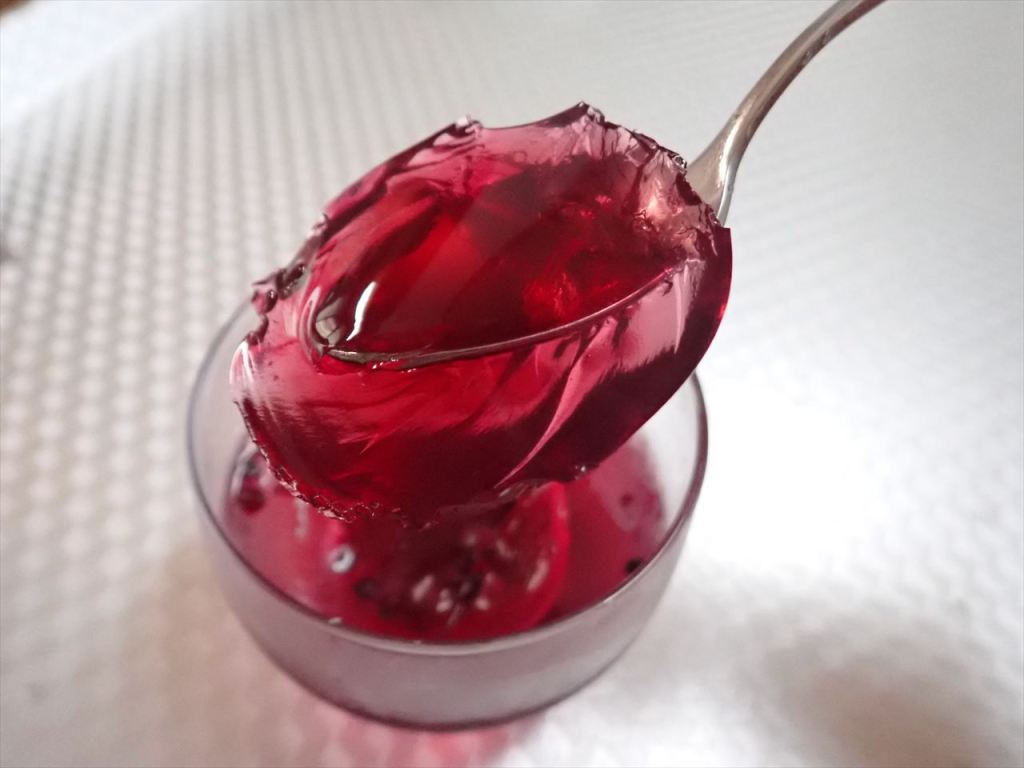
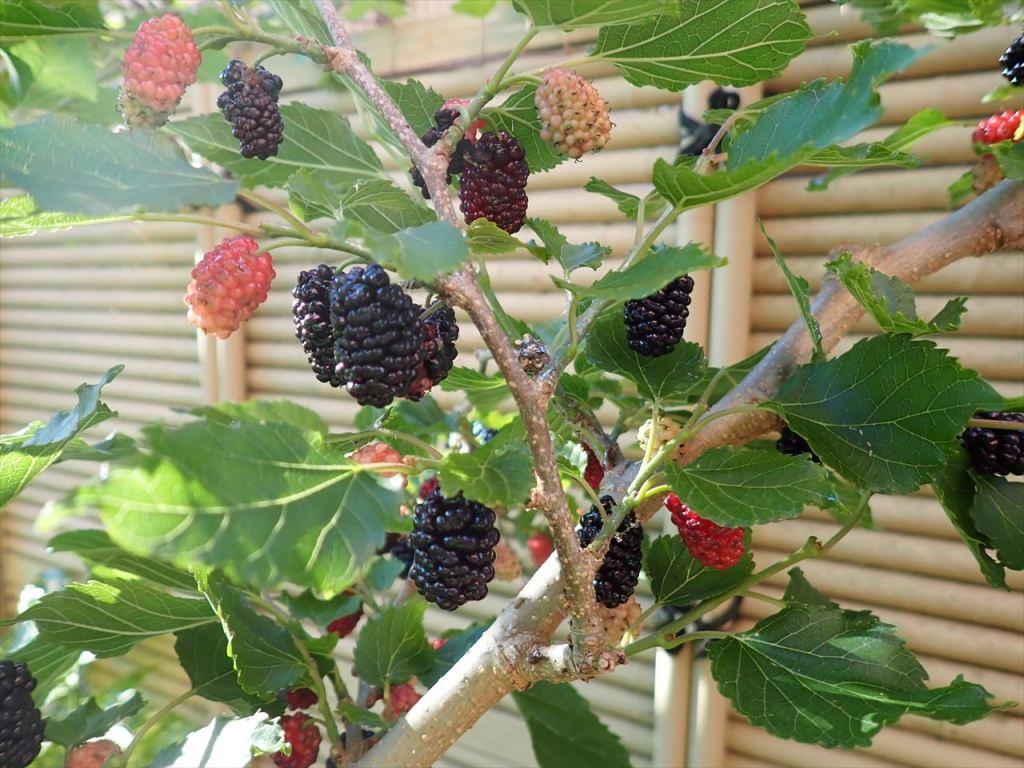
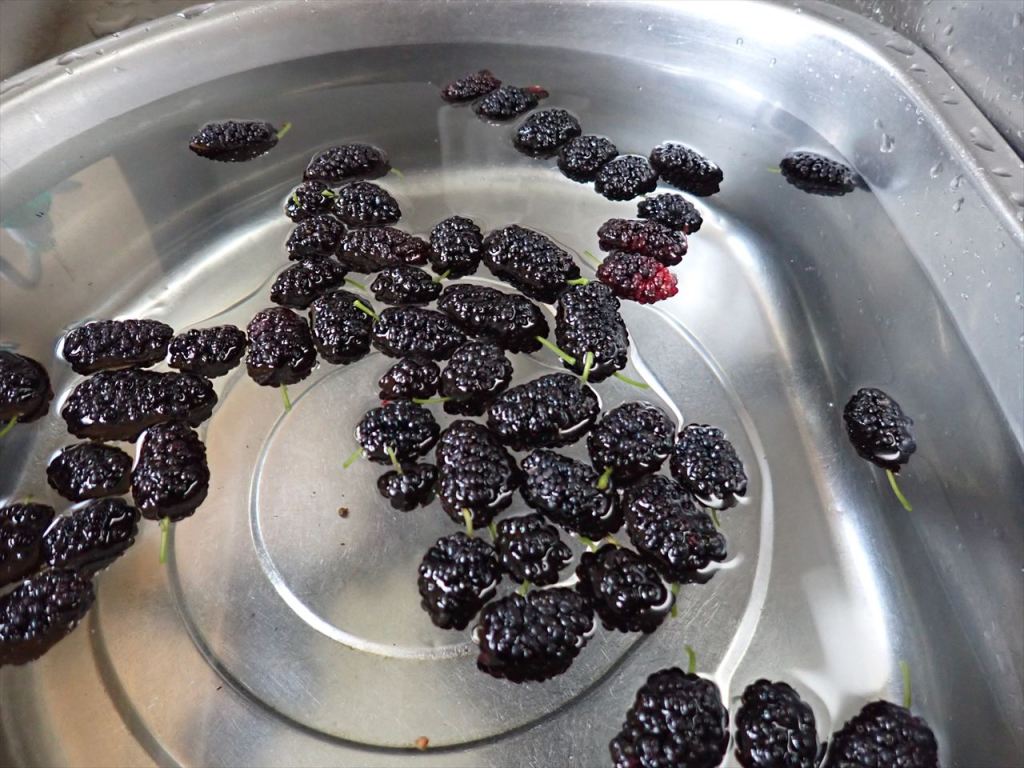
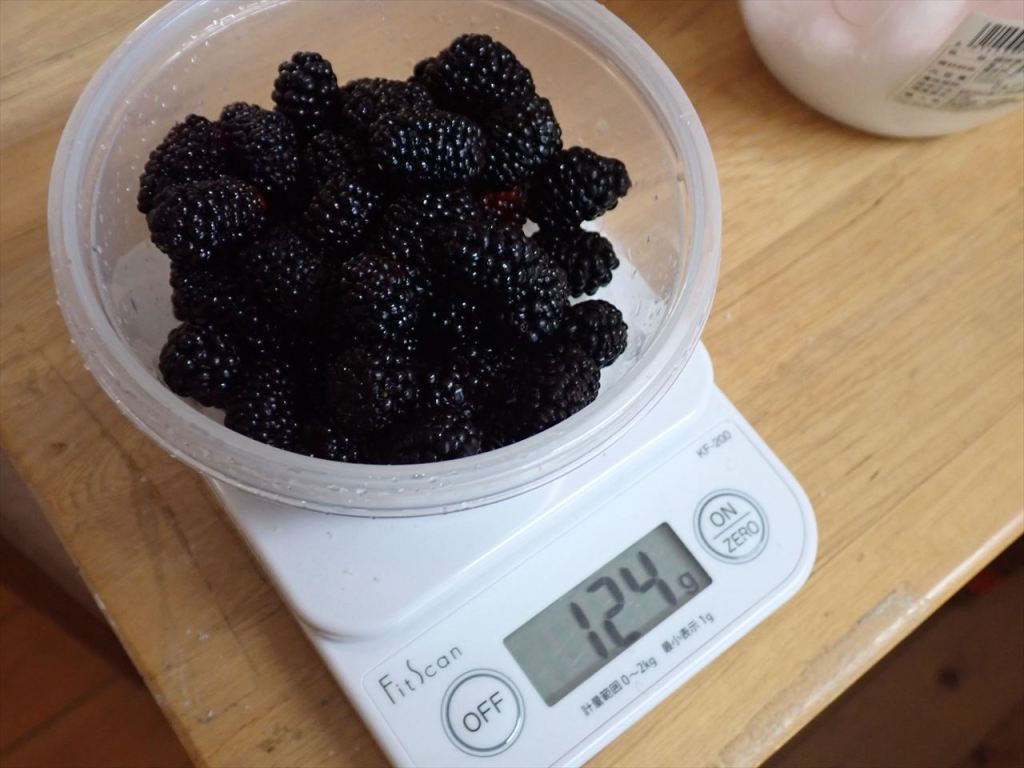
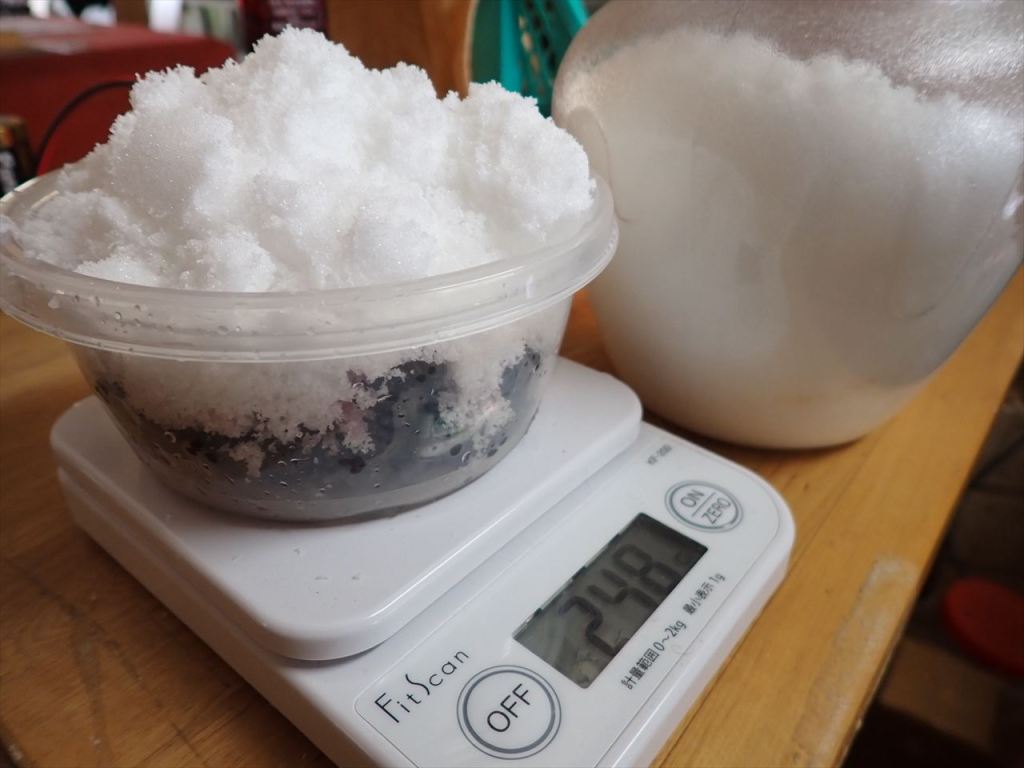
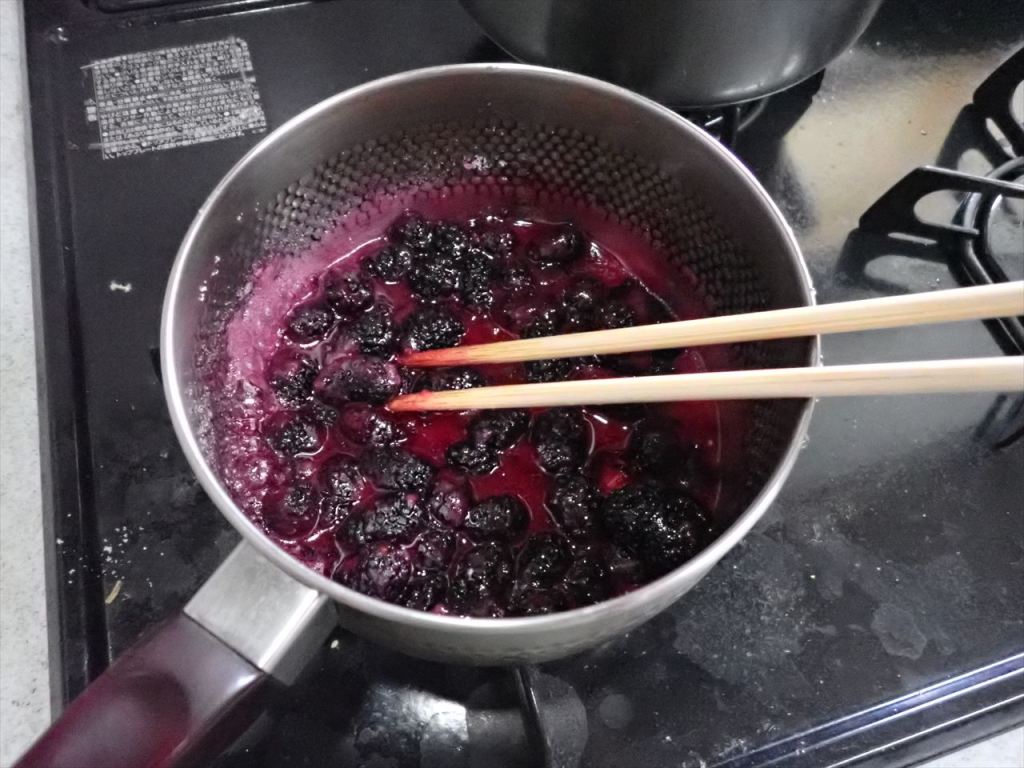
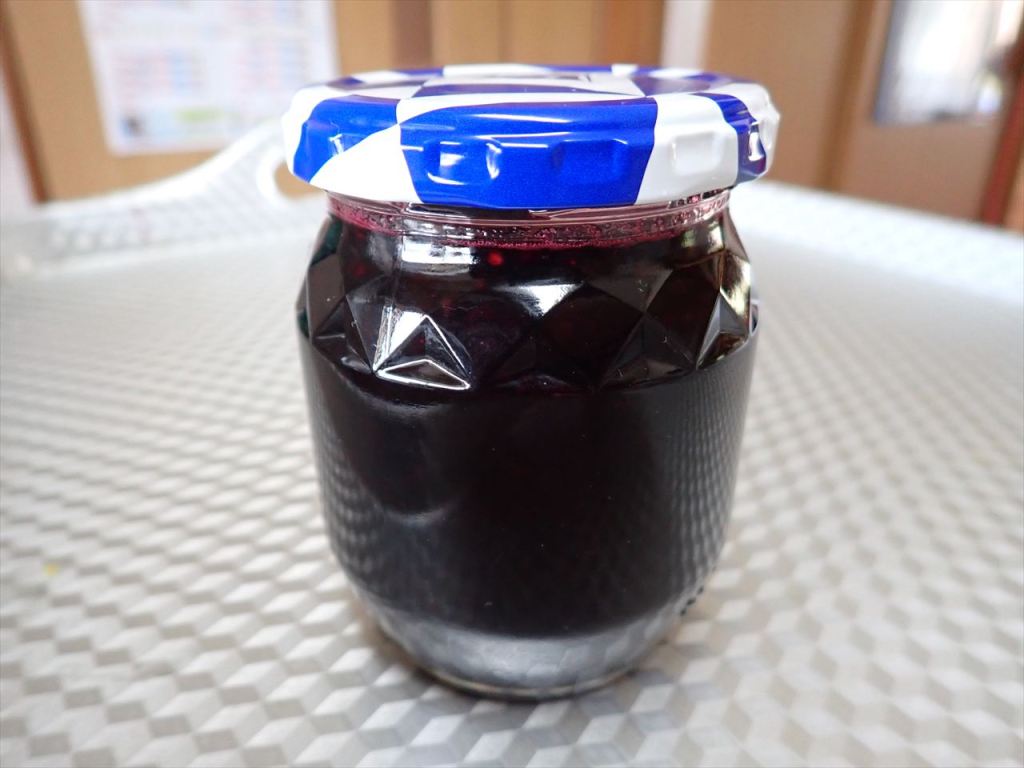
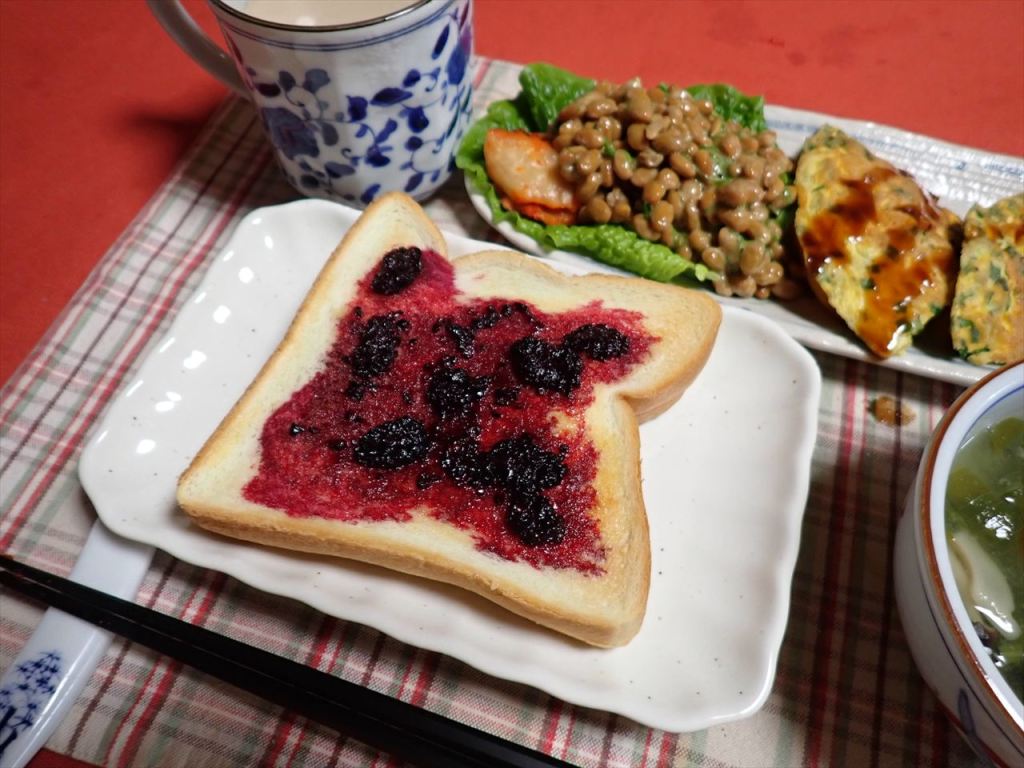
Now it’s almost ending to harvest mulberry from the tree in my garden. This year, I have made four bottles of mulberry jam. I think I got enough amount of Jam. I saw yesterday the rest of the mulberry fruits were not enough to make another bottle of jam. So, I made two cups of mulberry jelly. I have already tasted one, but I’d say it was not so good because mulberries that I could use for jelly were a little less. If there were more, but I have to wait one year.
Oh, by the way, I write explanations about the exercise A of Minna no Nihongo. I have already finished the first book, now I am going to start writing about the exercise A in the second book. So far, I write Japanese sentences in Alphabet. But is it better to write Japanese in Hiragana, Katakana and Kanji?
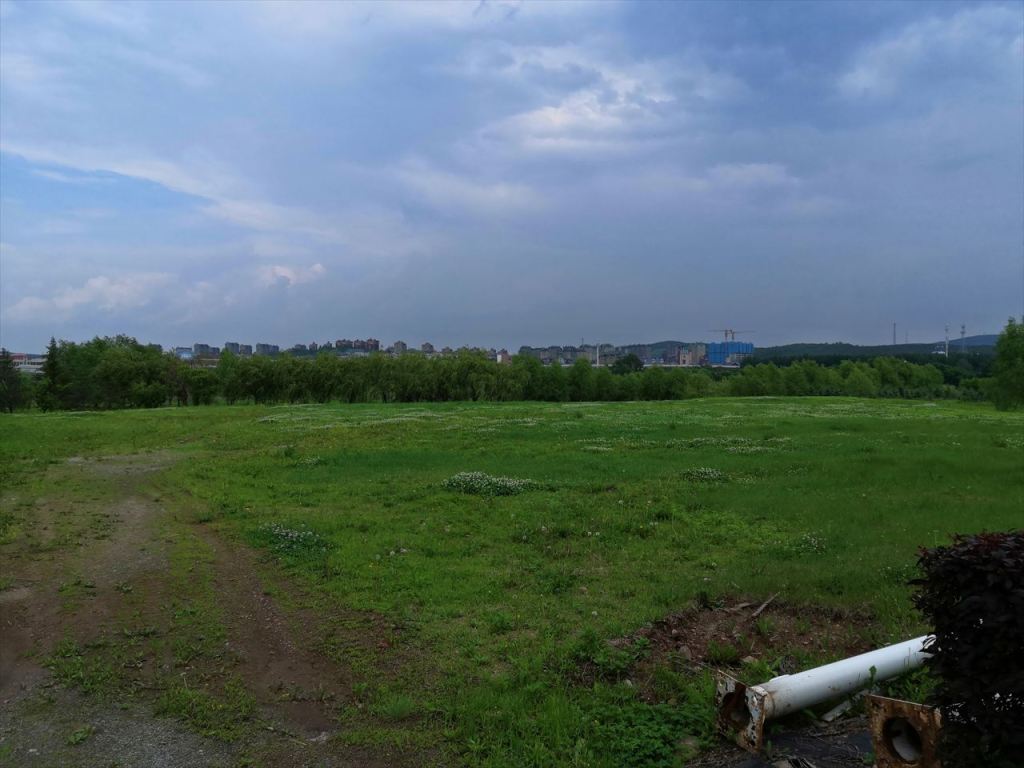
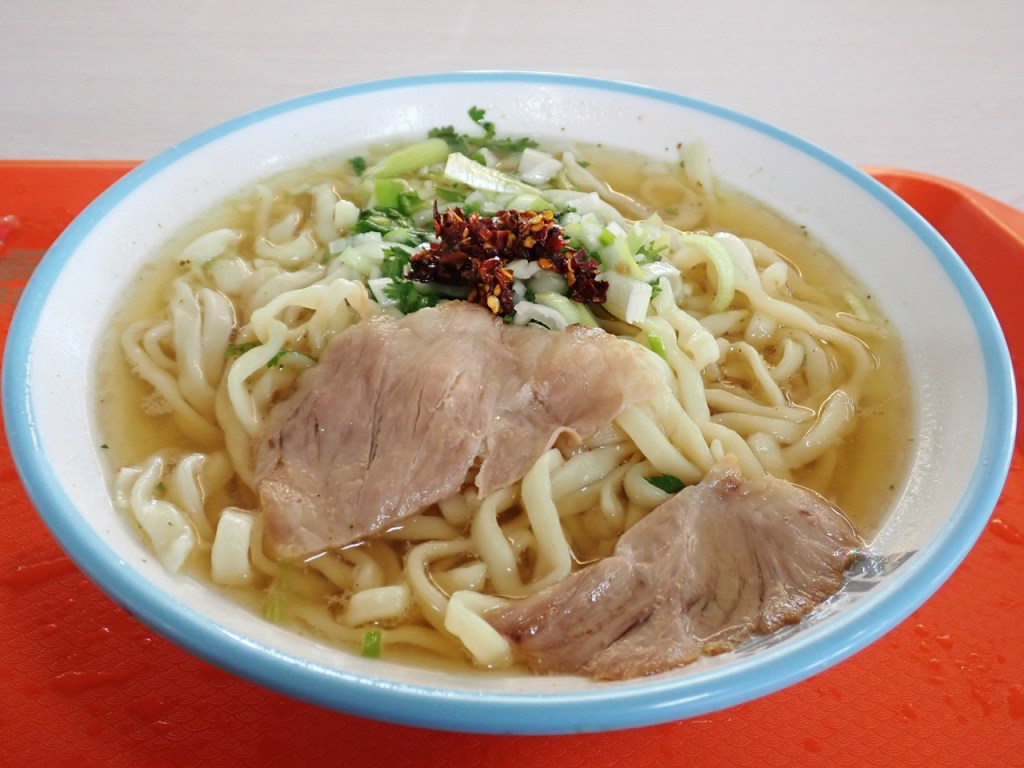
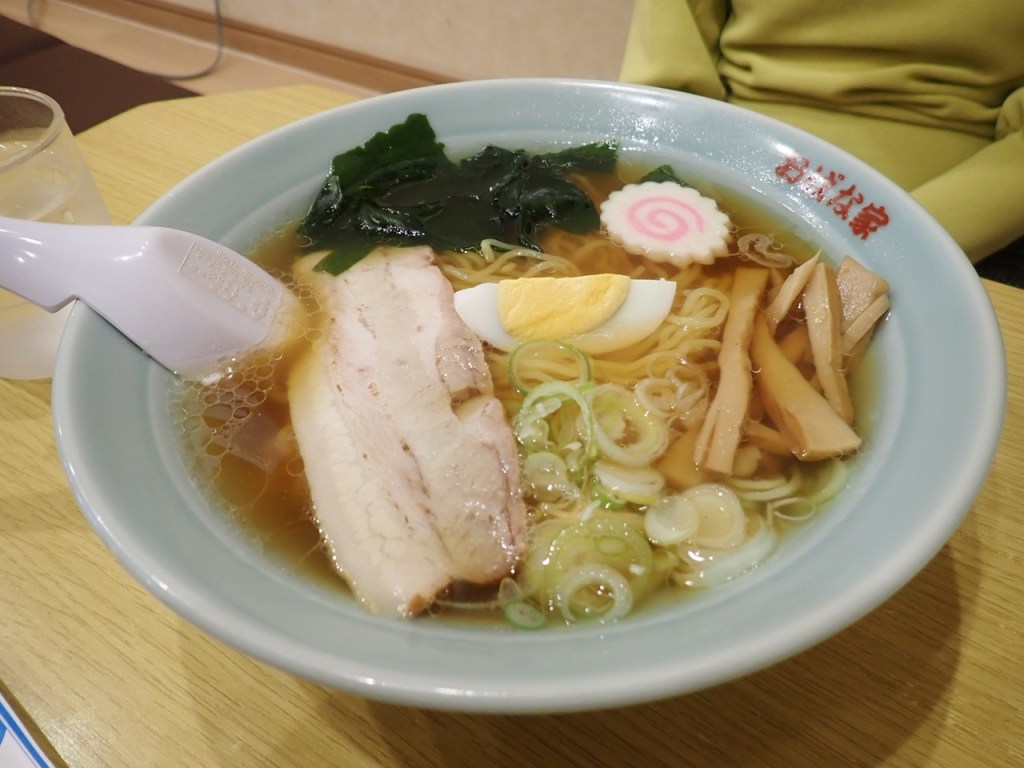
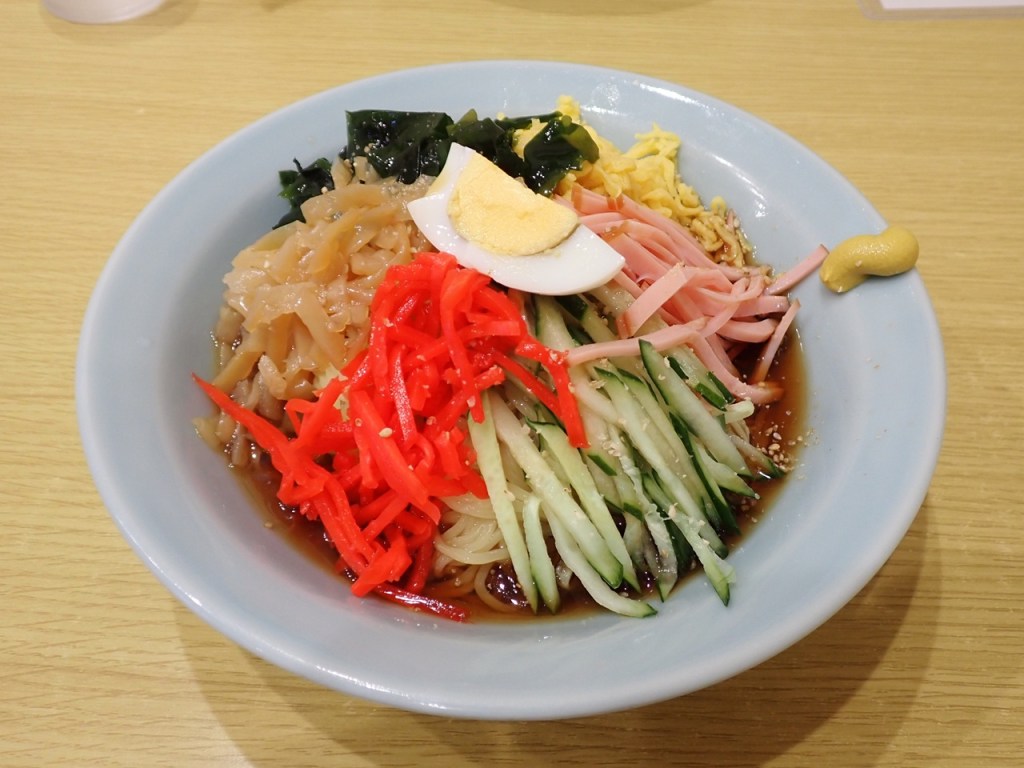
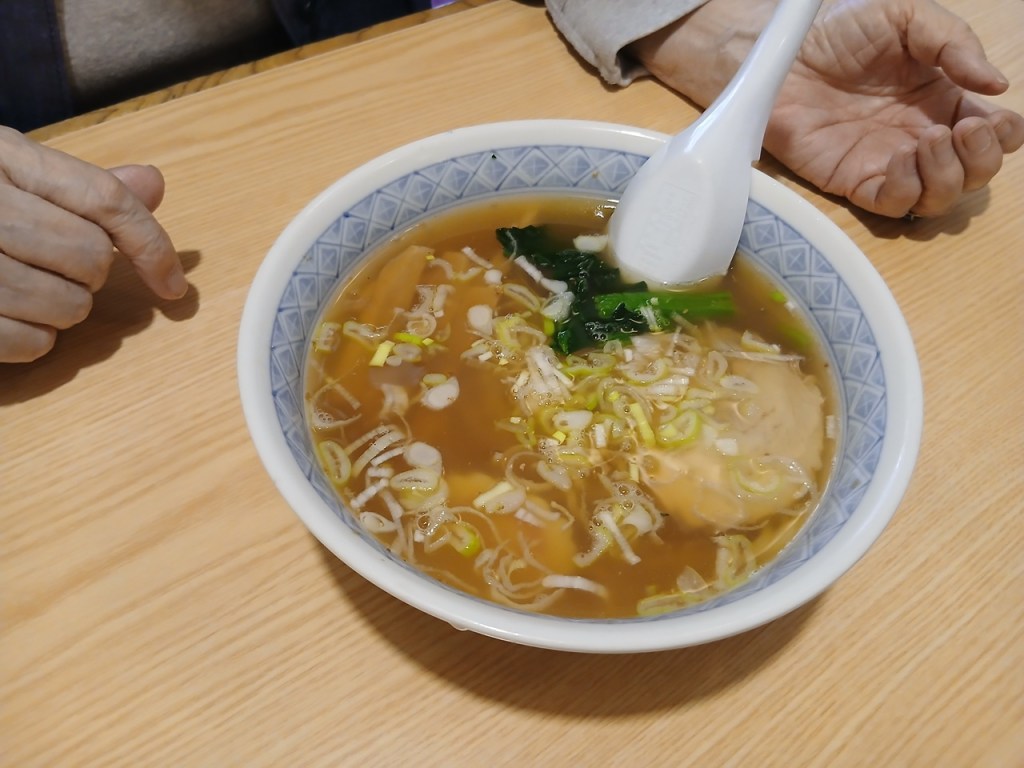
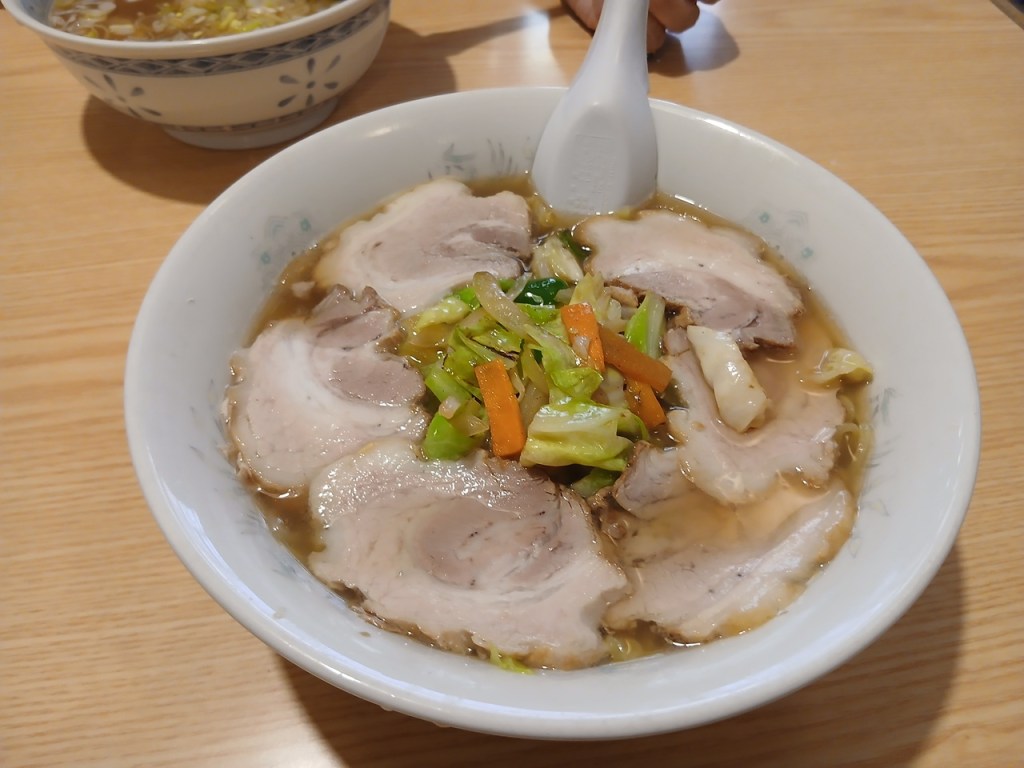
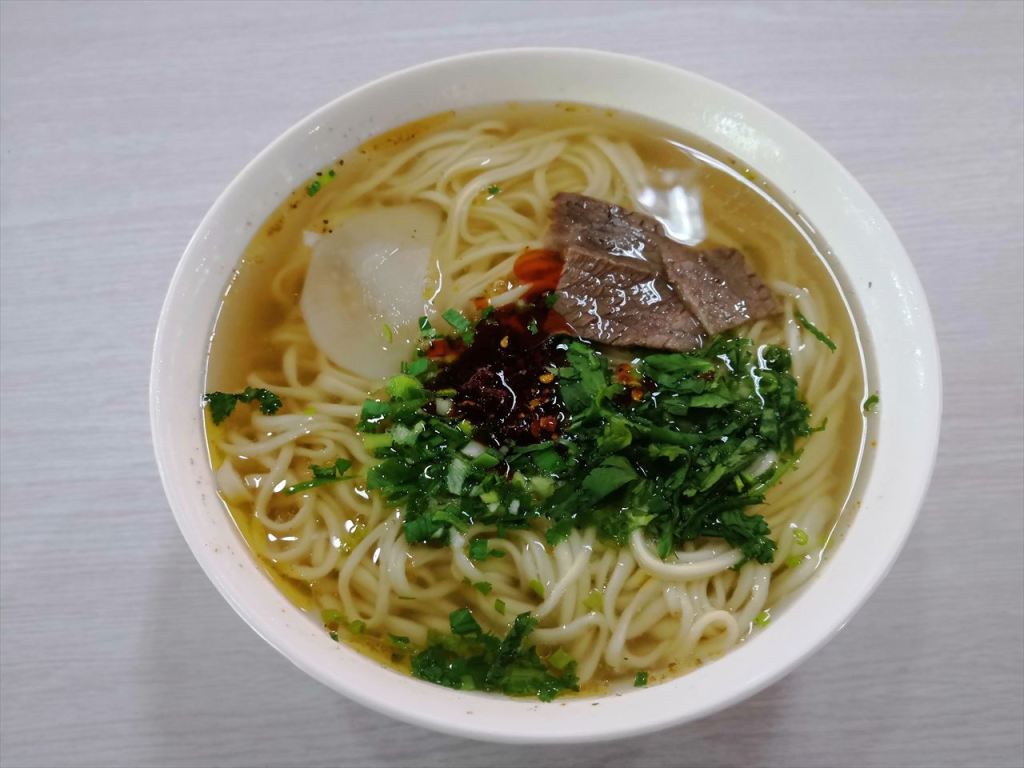
I took my mother to a day service facility today. Actually, the place was the second one, I mean, last week we visited another day service facility. The purpose of visiting two places is to compare the two so that we can choose the better one. Before getting there at 2 p.m., we had a little late lunch in a Rahmen restaurant. Mine was Soy-sauce Rahmen with pork slice on top. My mother’s was a half Rahmen as the photo below. We visited the facility, got some guidance of the facility, looked around the rooms and the activity of the afternoon, and said good-bye to the people there. When we came back our home, I asked my mother which of the two day-service facilities she likes. She said that she had already forgot the facility we visited last week, so she couldn’t compare the two.
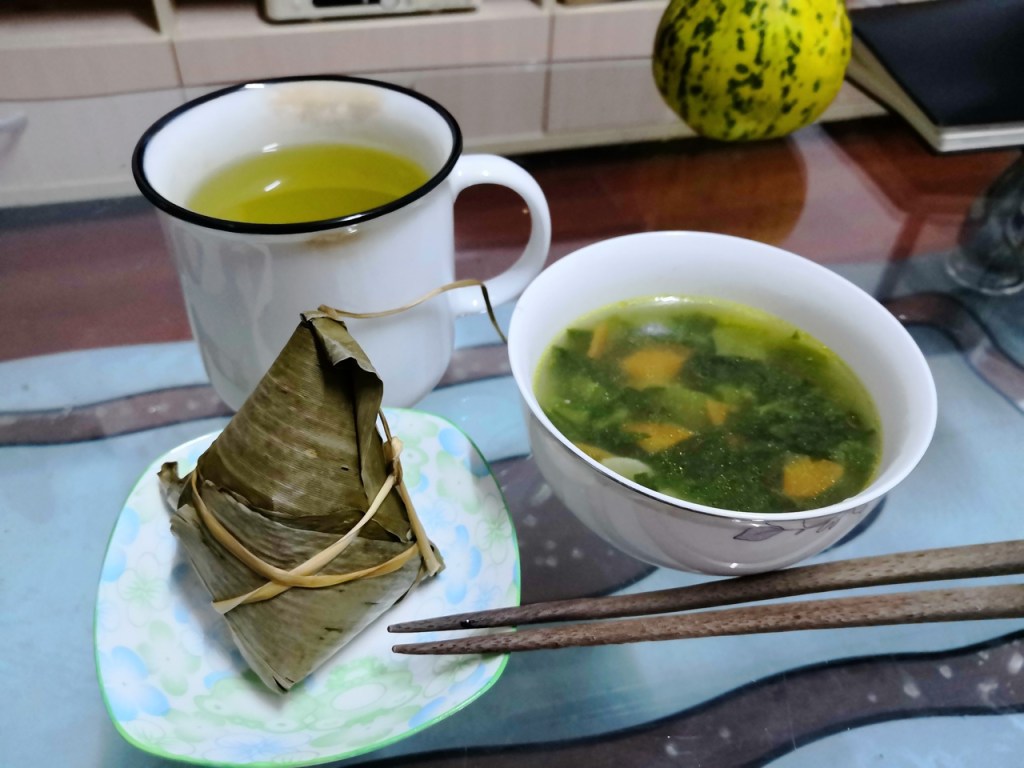
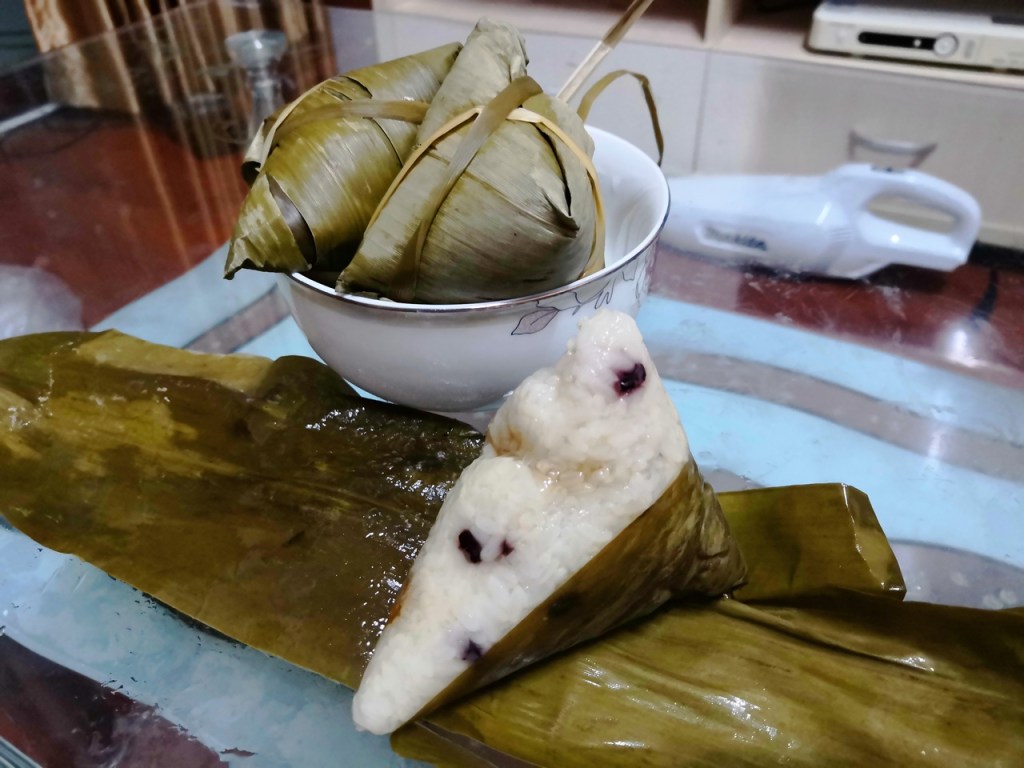
It makes me feel it happened a very long long time ago,
Since I am leaving several post uncompleted, I think I need to suspend new post.
 Agony or Fun?! Second Language Learning