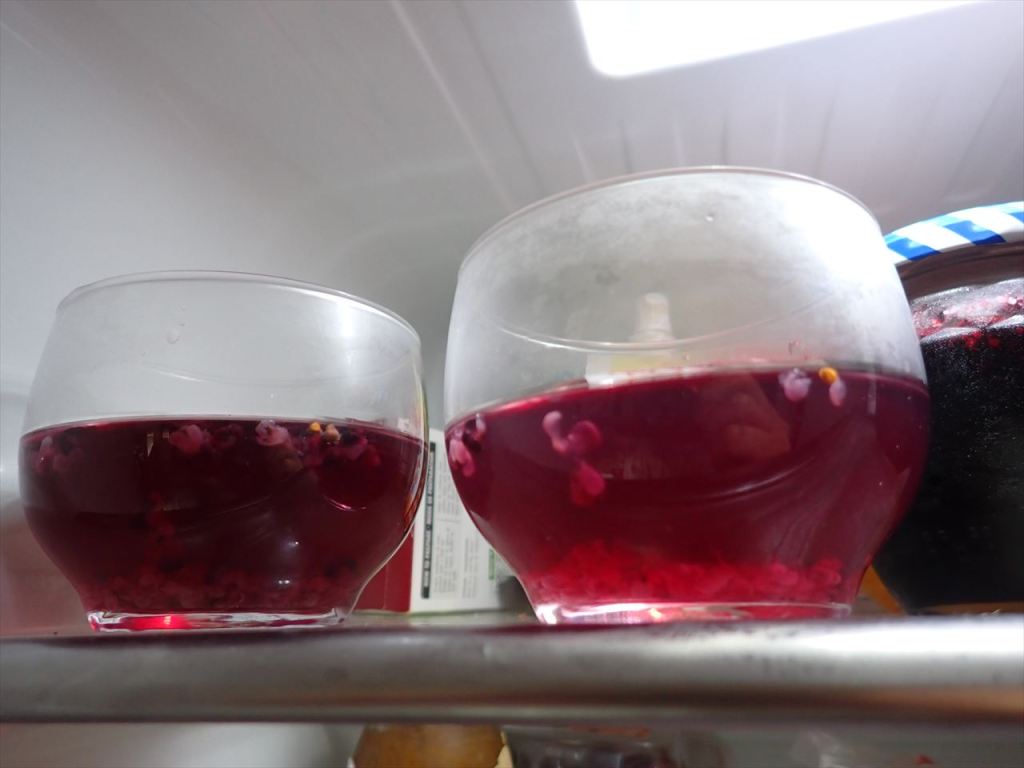
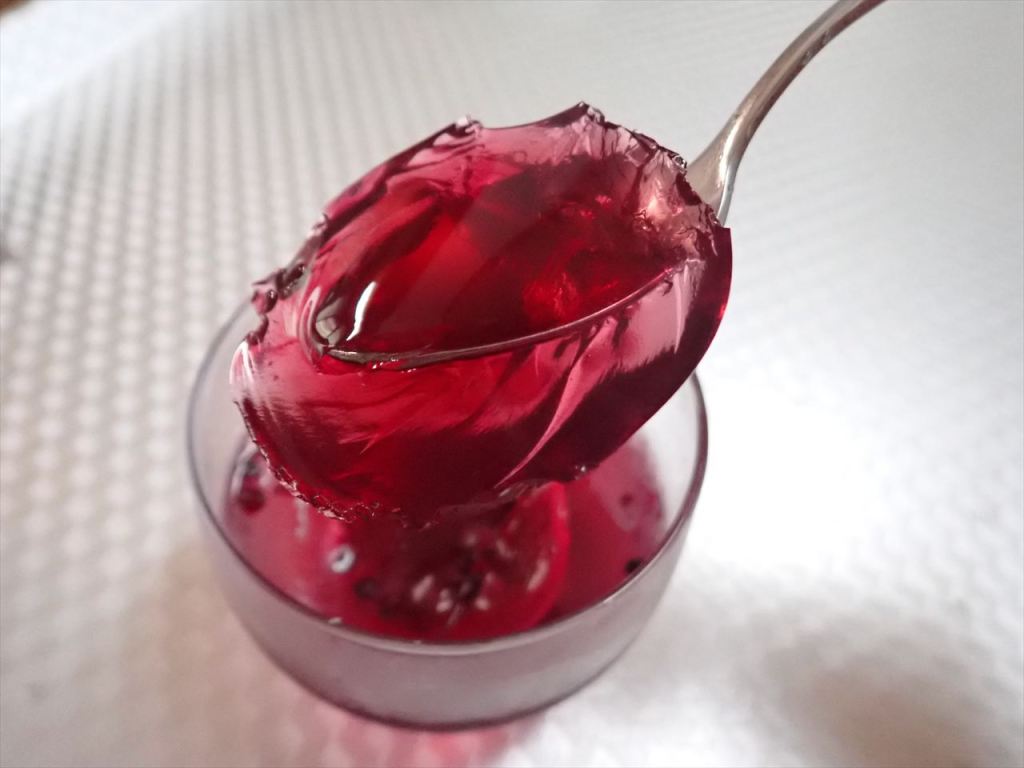
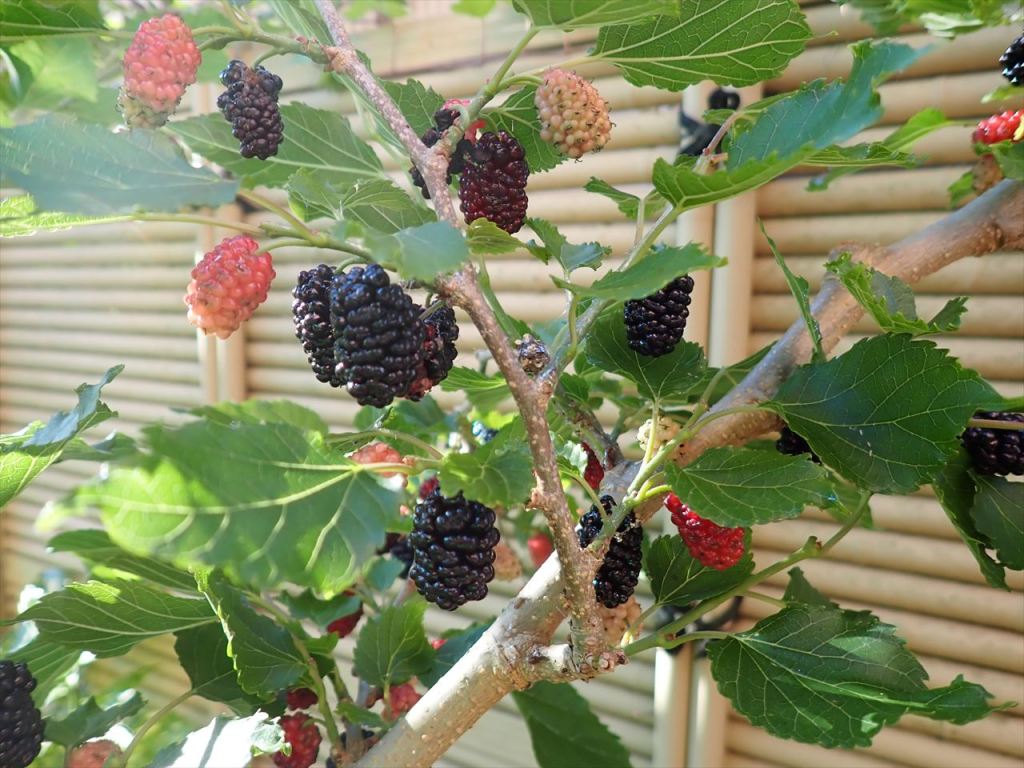
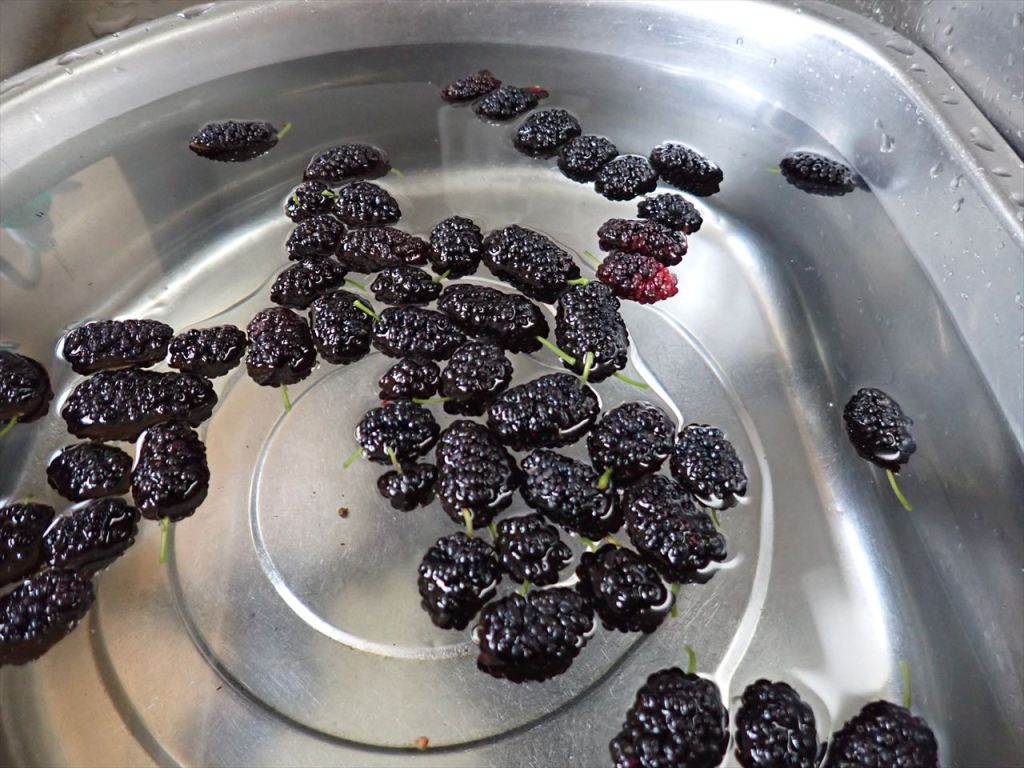
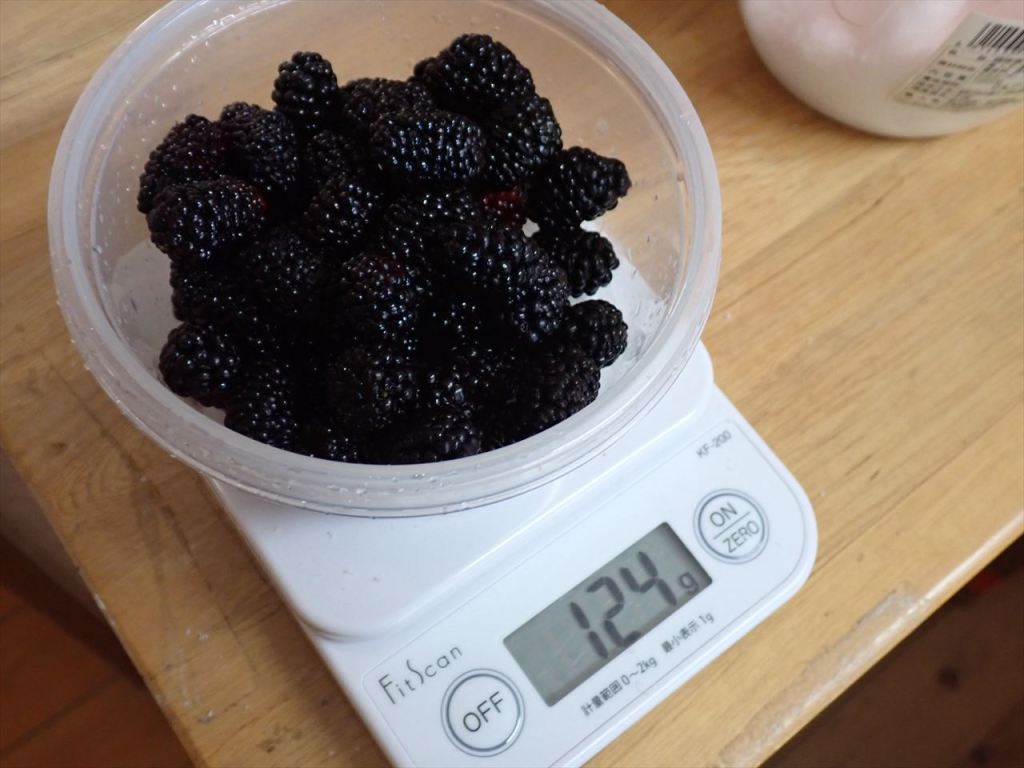
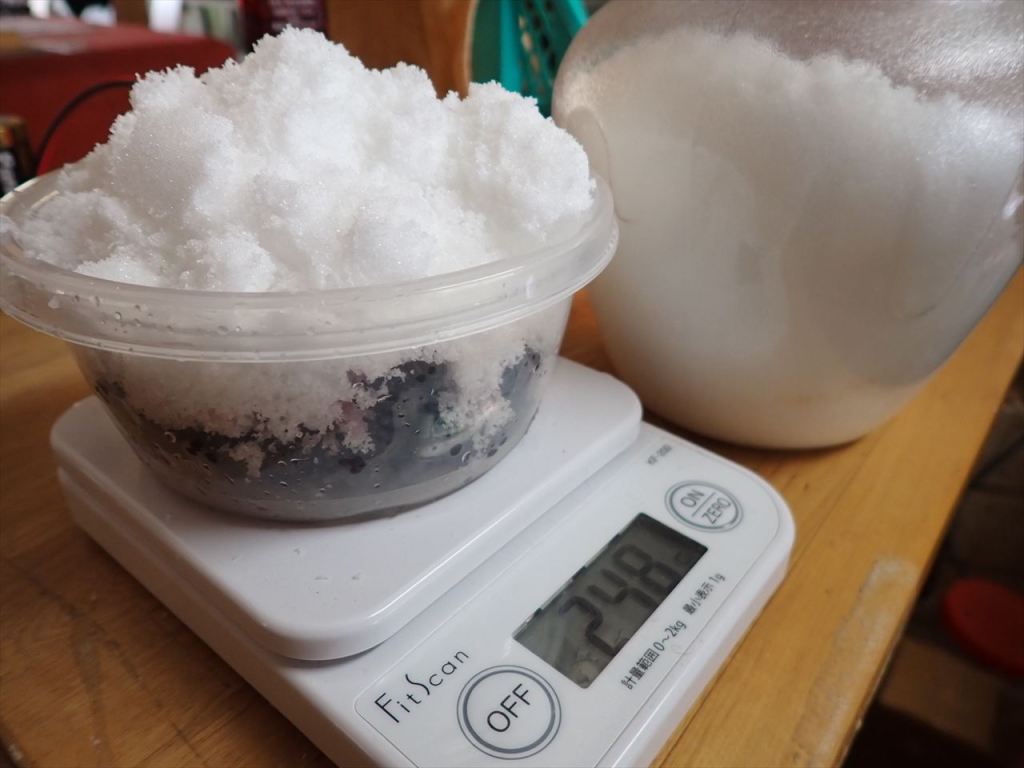
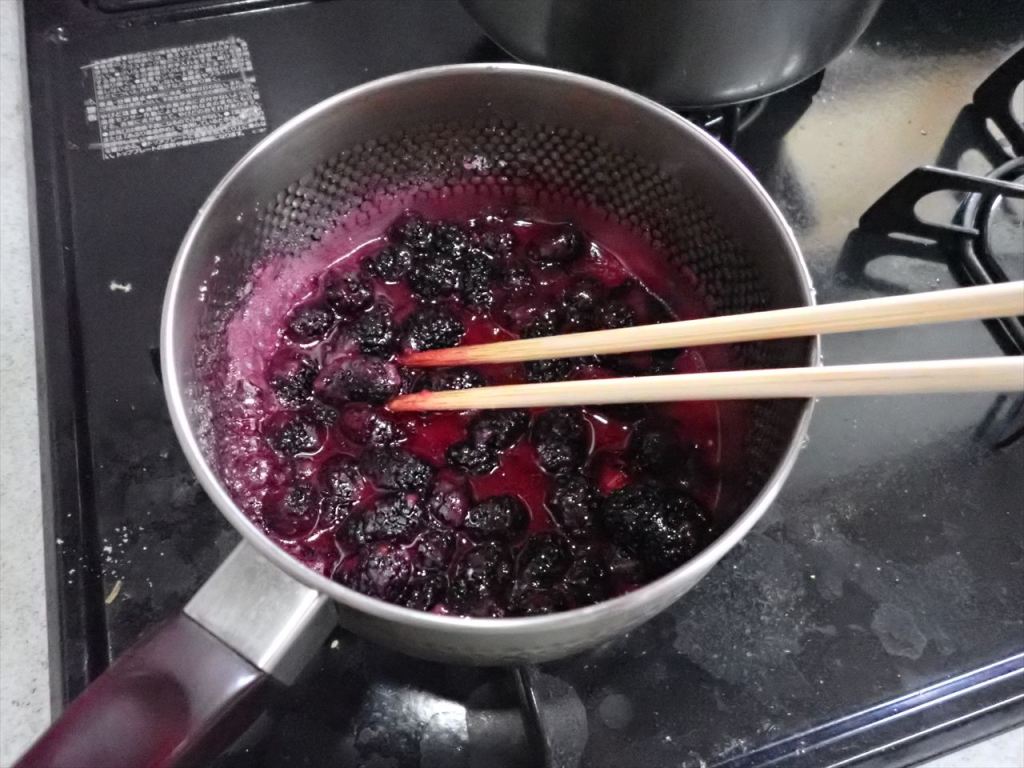
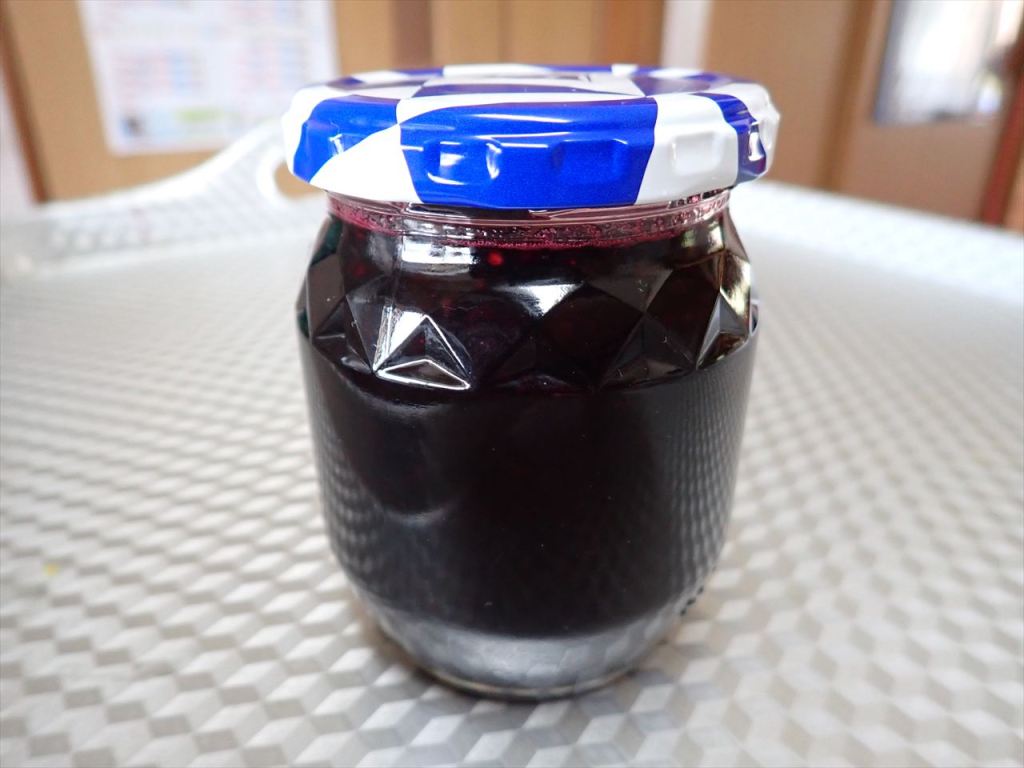
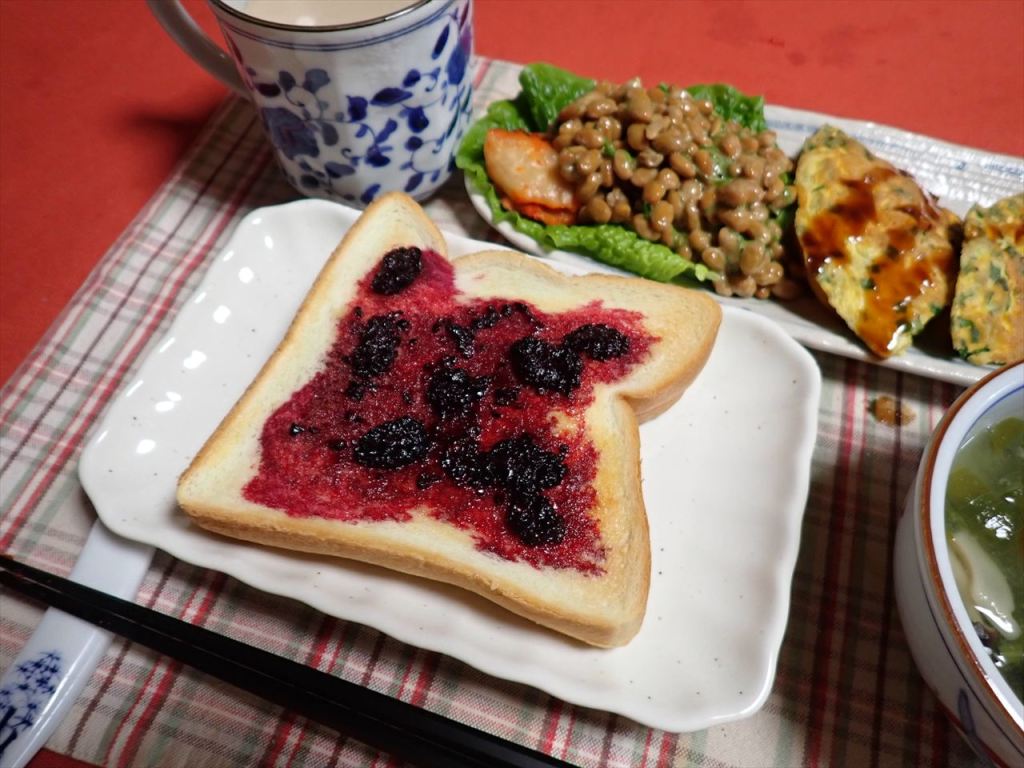
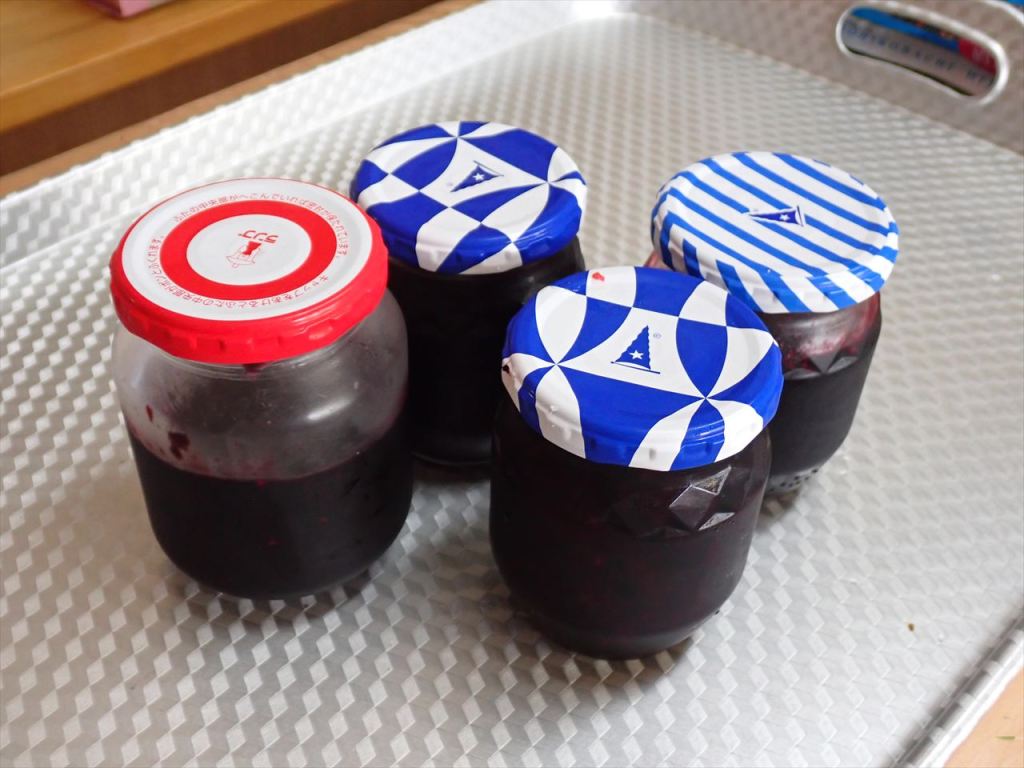
There was not enough mulberry to make the fifth bottle of Jam.

Now it’s almost ending to harvest mulberry from the tree in my garden. This year, I have made four bottles of mulberry jam. I think I got enough amount of Jam. I saw yesterday the rest of the mulberry fruits were not enough to make another bottle of jam. So, I made two cups of mulberry jelly. I have already tasted one, but I’d say it was not so good because mulberries that I could use for jelly were a little less. If there were more, but I have to wait one year.

Oh, by the way, I write explanations about the exercise A of Minna no Nihongo. I have already finished the first book, now I am going to start writing about the exercise A in the second book. So far, I write Japanese sentences in Alphabet. But is it better to write Japanese in Hiragana, Katakana and Kanji?

Visited a Day-Service Facility for my Mother Today

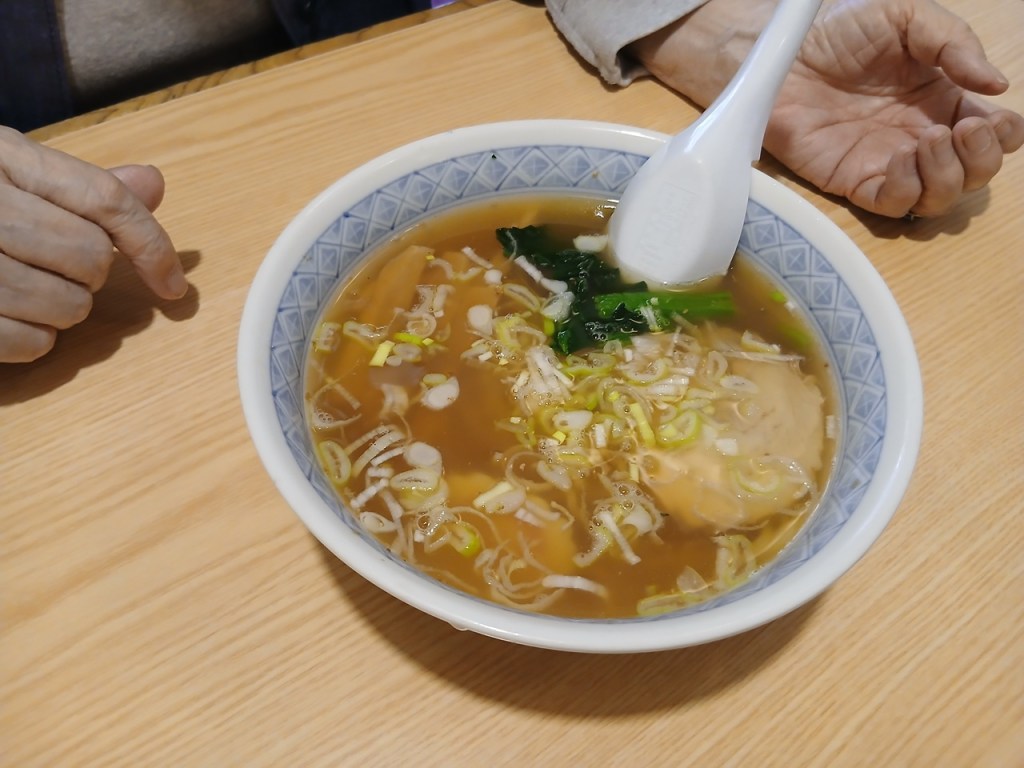
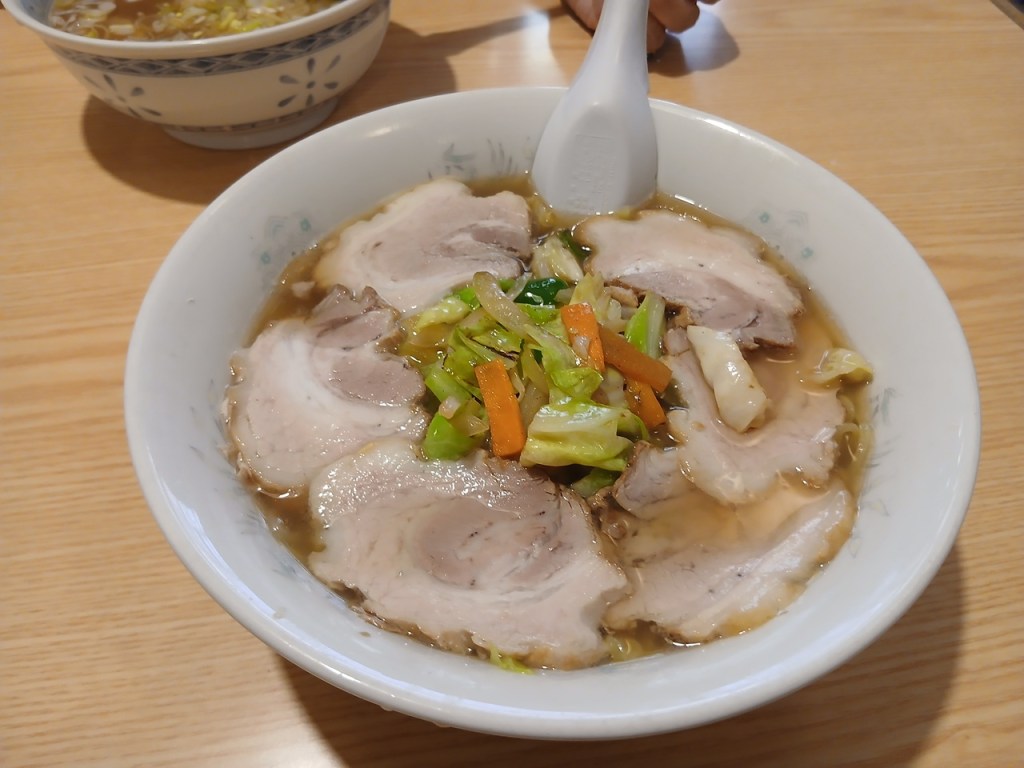
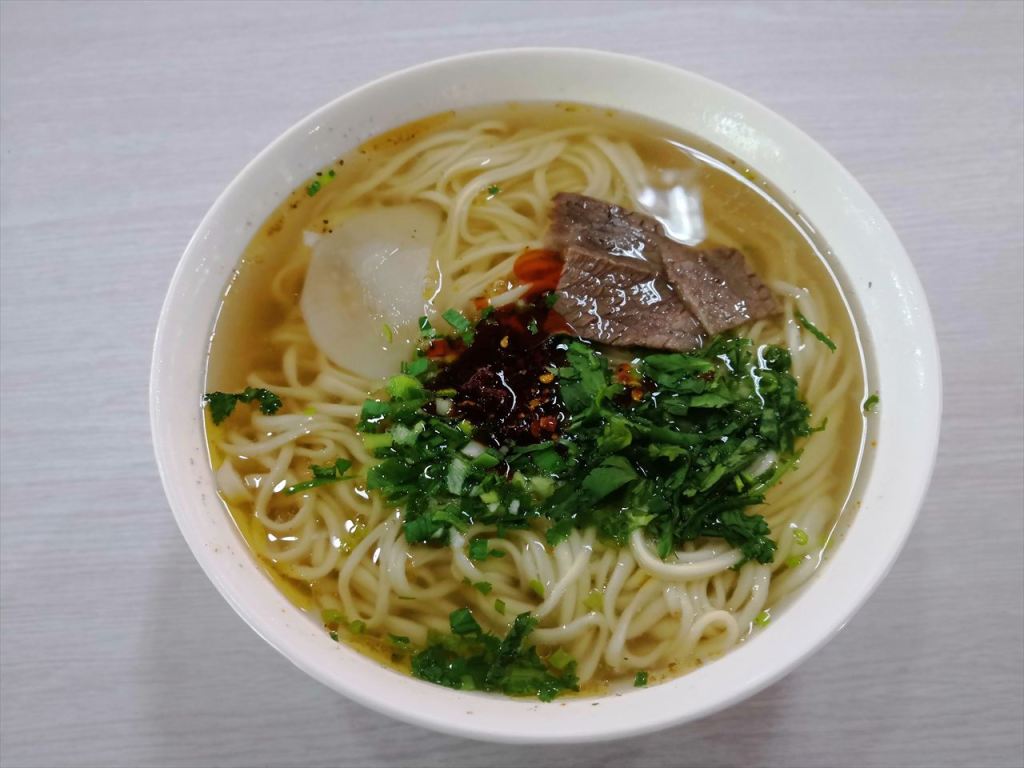
I took my mother to a day service facility today. Actually, the place was the second one, I mean, last week we visited another day service facility. The purpose of visiting two places is to compare the two so that we can choose the better one. Before getting there at 2 p.m., we had a little late lunch in a Rahmen restaurant. Mine was Soy-sauce Rahmen with pork slice on top. My mother’s was a half Rahmen as the photo below. We visited the facility, got some guidance of the facility, looked around the rooms and the activity of the afternoon, and said good-bye to the people there. When we came back our home, I asked my mother which of the two day-service facilities she likes. She said that she had already forgot the facility we visited last week, so she couldn’t compare the two.

Japanese Learning (A2 S18): “Can do Something”; [Person] wa [Action Noun] ga Dekimasu./ [Person] wa [V-dic] Koto ga Dekimasu.

Today we are going to learn expressions to say someone can do something.

1. [Person] wa [Action Noun] ga Dekimasu.

Examples of this construction are shown below;

3. Satou-san wa Eigo ga Dekimasu. (Sato-san can speak English.)

4. Suzuki-san wa Kuruma no Unten ga Dekimasu. (Suzuki-san can drive a car.)

“Eigo” in 3 may not be an action noun, but the word “Eigo” seems to have meanings of action like speaking English and listening to it. “Unten” in 4 apparently describes the action of driving, although it is a noun.

The construction 1 to say someone can do something uses an action noun. But, when it comes to an “action”, don’t you think it is better to use a verb? Yes, a verb can be used when saying someone can do something. In order to do this, you need to pay attention that Japanese is a language for which you have to distinguish nouns or verbs strictly. Therefore, the following is WRONG:

<WRONG>  [Person] wa [Verb] ga Dekimasu.

The right expression should be as below, with a little simplification of 1;

<RIGHT> [Person] wa [Noun] ga Dekimasu.

In order to make “WRONG” “RIGHT”, you need to convert a verb to a noun. But how???

This is where the formal noun “koto” comes in. Don’t care much about the meaning of “koto”, but think “koto” is a noun that has a function to convert a verb into a kind of noun-equivalent.

[Verb in dictionary form] + koto => [Noun-Equivalent]

It looks like a math problem, but by substituting “[Noun] = [V-dic] koto ” into <RIGHT>, you will get;

5. [Person] wa [V-dic] koto ga Dekimasu.

This is the construction to say “someone can do something” using a verb.

Examples;

Satou-san wa Nihon-Ryouri o Tsukuru koto ga Dekimasu.

(Sato-san can cook Japanese Food.)

Suzuki-san wa Gitaa o Hiku koto ga Dekimasu.

(Suzuki-san  can play a guitar.)

This post was written with reference to the exercise A2 on Section 18 of “Minna no Nihongo (2nd Edition)” published by “3A Corporation”
Sakura Mochi, a Sweet, Pink-colored Mochi Rice Cake wrapped with the Leaves of Cherry Tree.

Now it’s already 9p.m. I don’t have time to write a post about Japanese Learning tonight.

I found them on the shelves of a local grocery store today. 220 means that two hundred and twenty Japanese Yen.

I think that those two were disappeared into my stomach within three minutes.