


Since I can harvest many carrots from my garden, I made pickles this morning. Tasted in the evening, I felt it’s not so bad.
Agony or Fun?! Second Language Learning
I am a native Japanese speaker who used to teach Japanese in a university somewhere on this planet. Currently I don't work but stayed in my house in Northern part of JAPAN. I hope that you could enjoy reading my posts and know what life in Japan is like.
Since I can harvest many carrots from my garden, I made pickles this morning. Tasted in the evening, I felt it’s not so bad.


Since I am not so energetic these days, it took one week for me to plant seedlings of green onions. As they grow, I will gradually fill in the ditch. The trunks buried in the soil turn to be white. That white trunk is the main part to eat.
The followings are photos that I took in June, 2025.
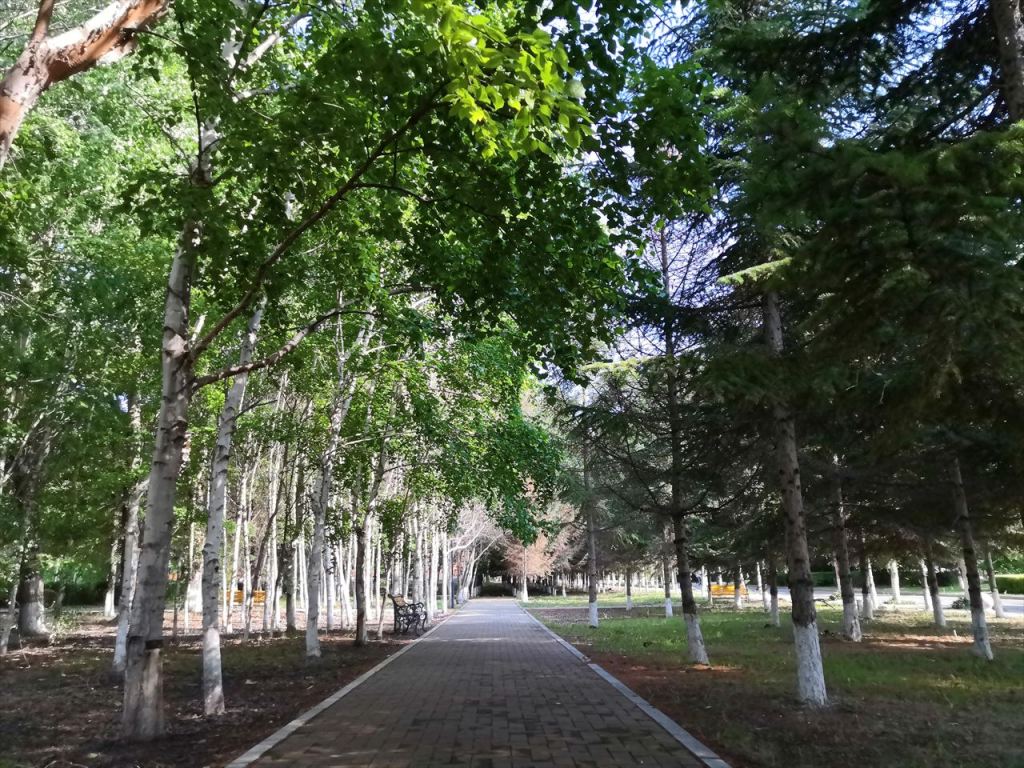
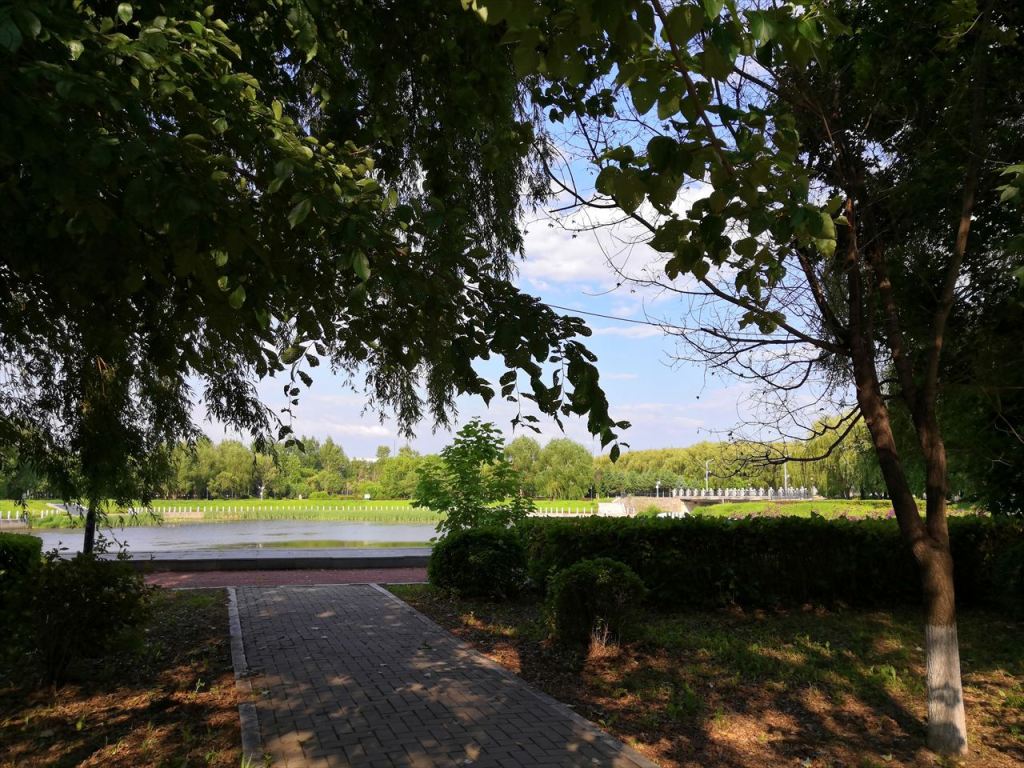
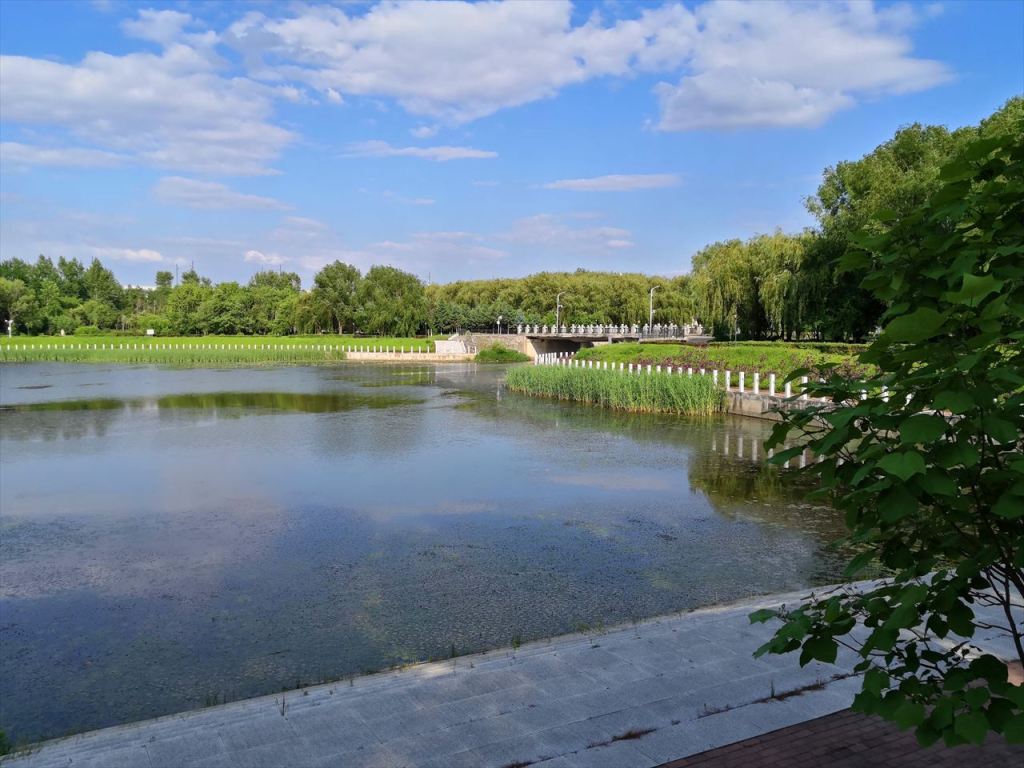
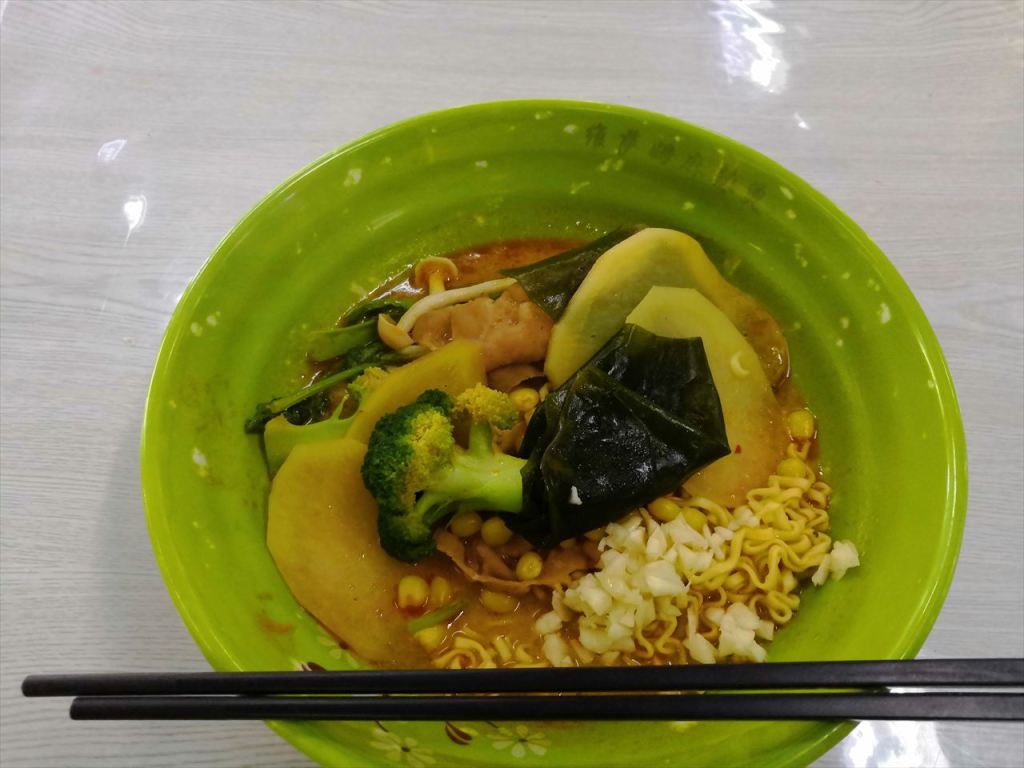
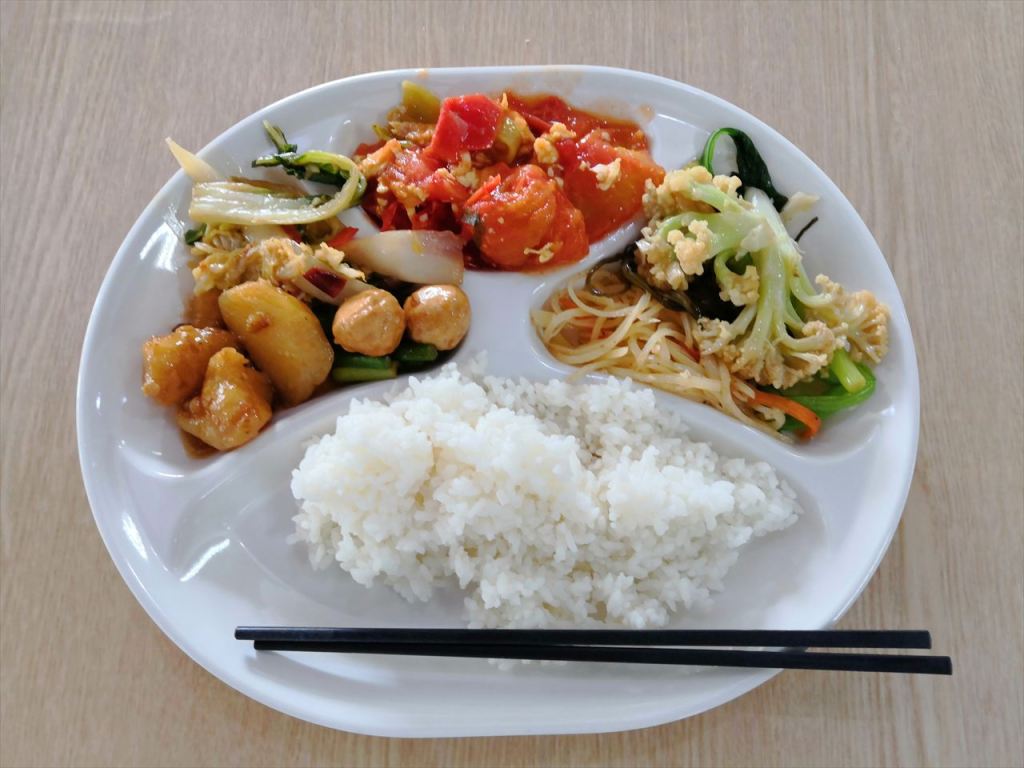
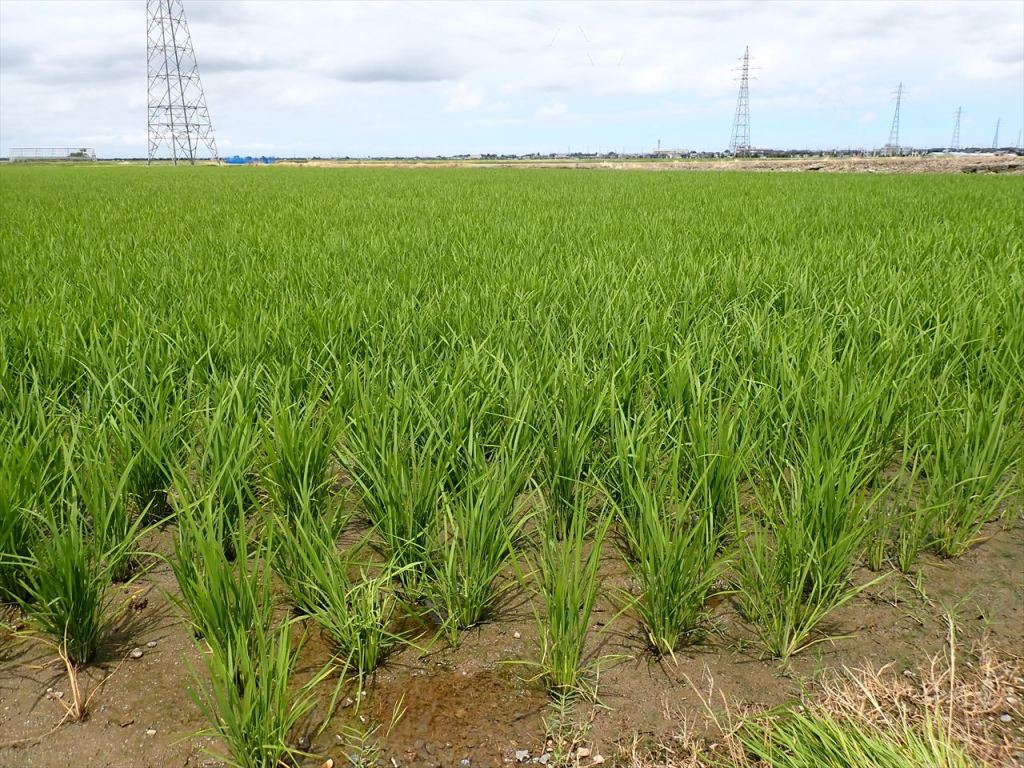
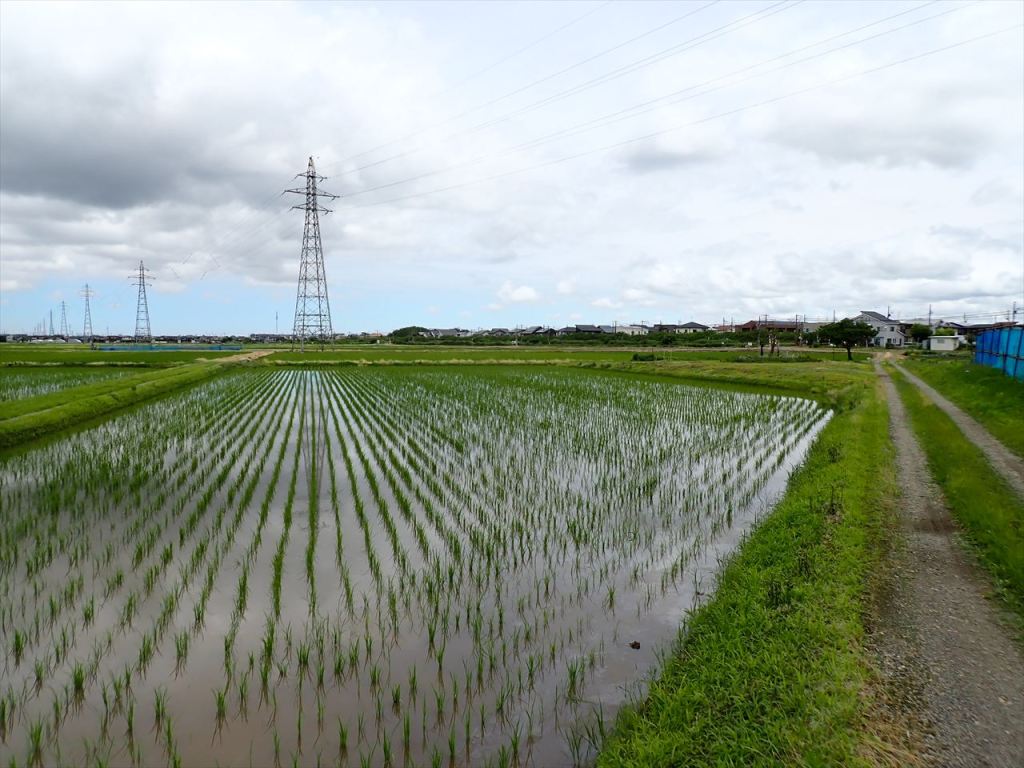
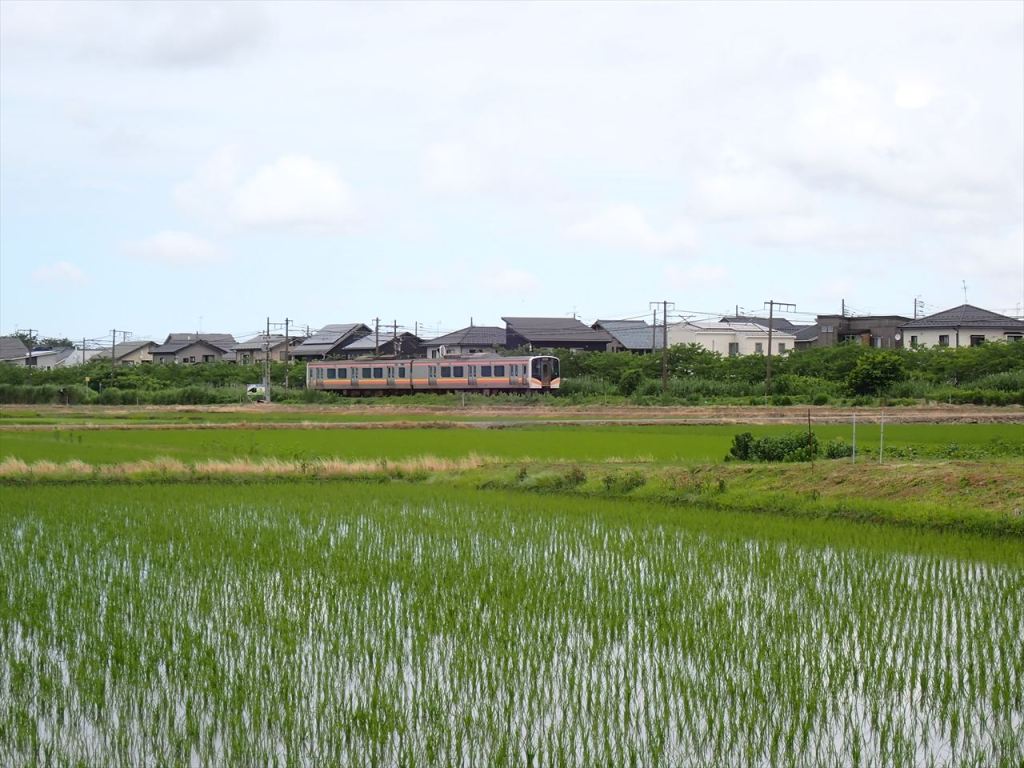
I just went to buy 15KG of chicken droppings as fertilizer. It was just 174 JPY(1.1USD) so I said to the shop clerk “I am sorry”.
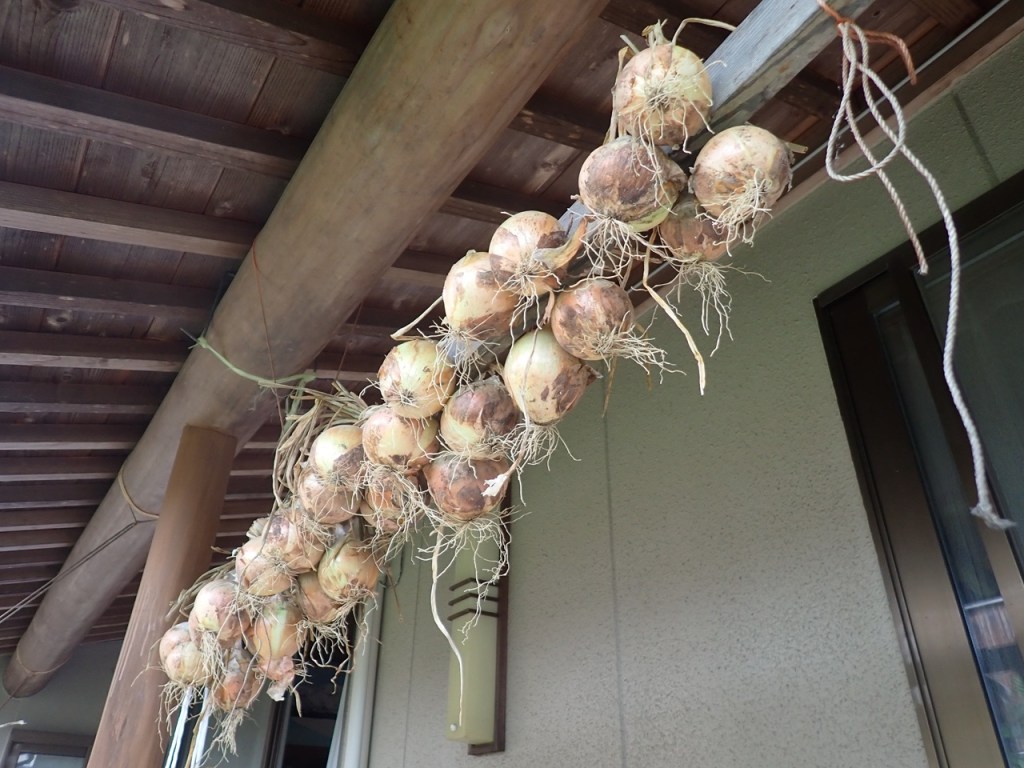
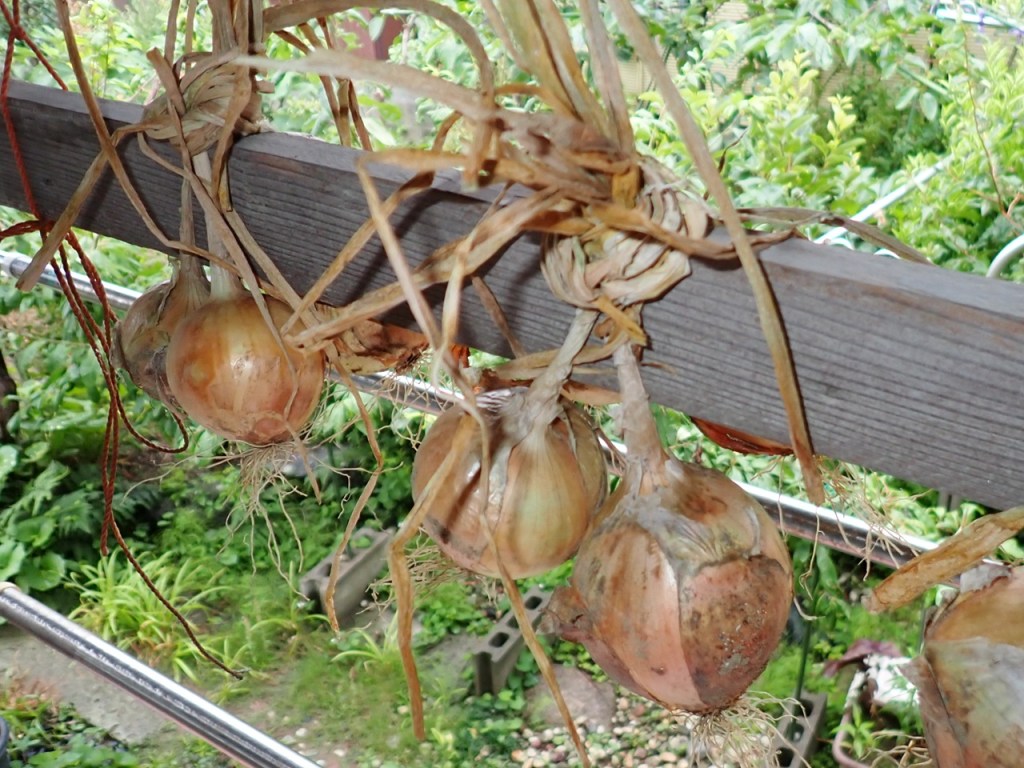
If you cut the upper part of onions when you harvest them, you would find it difficult to hang them. It is necessary to hang them in order to keep them long.
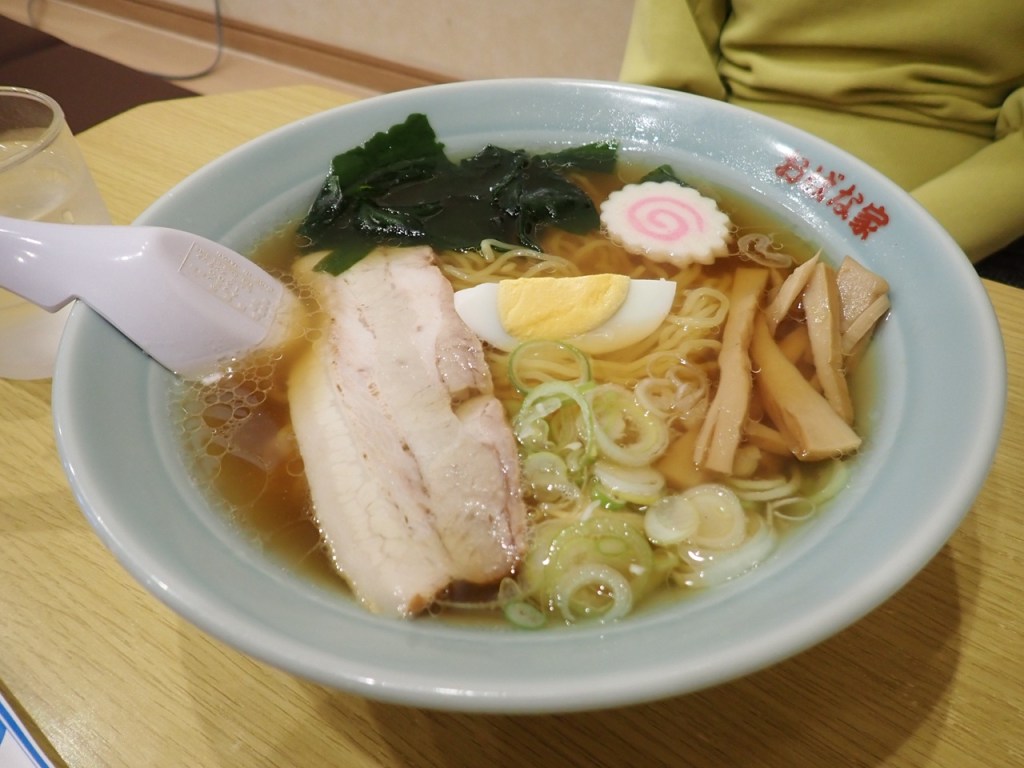
Though nothing has to do with the title,
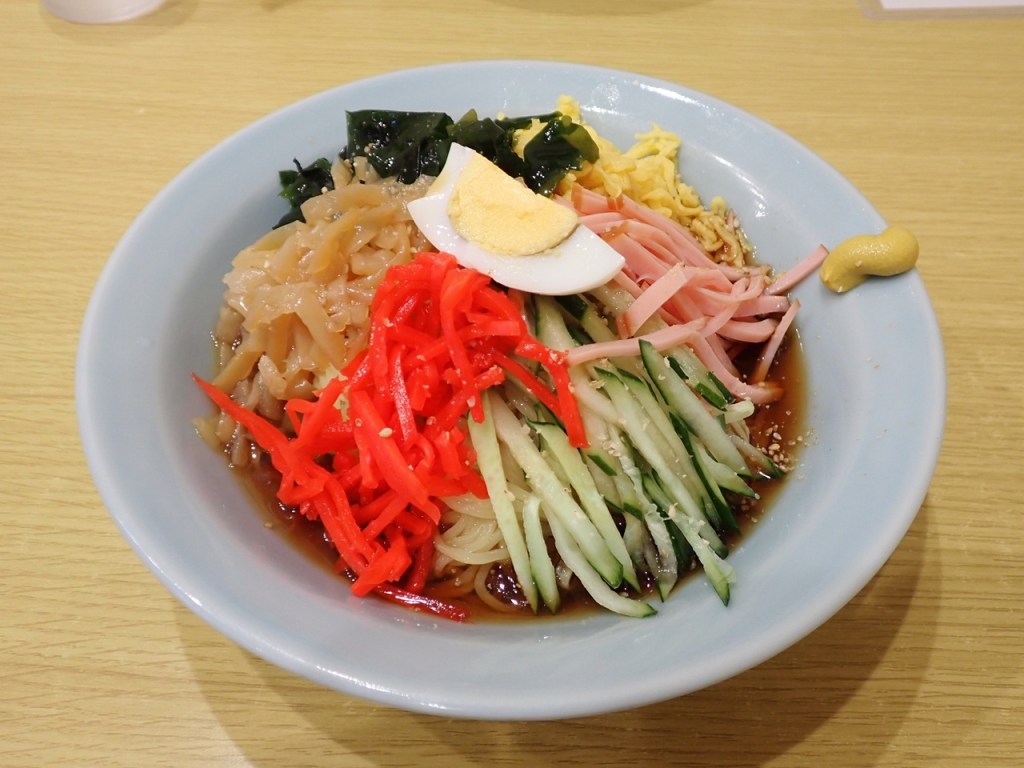
I don’t like artificial color for food.
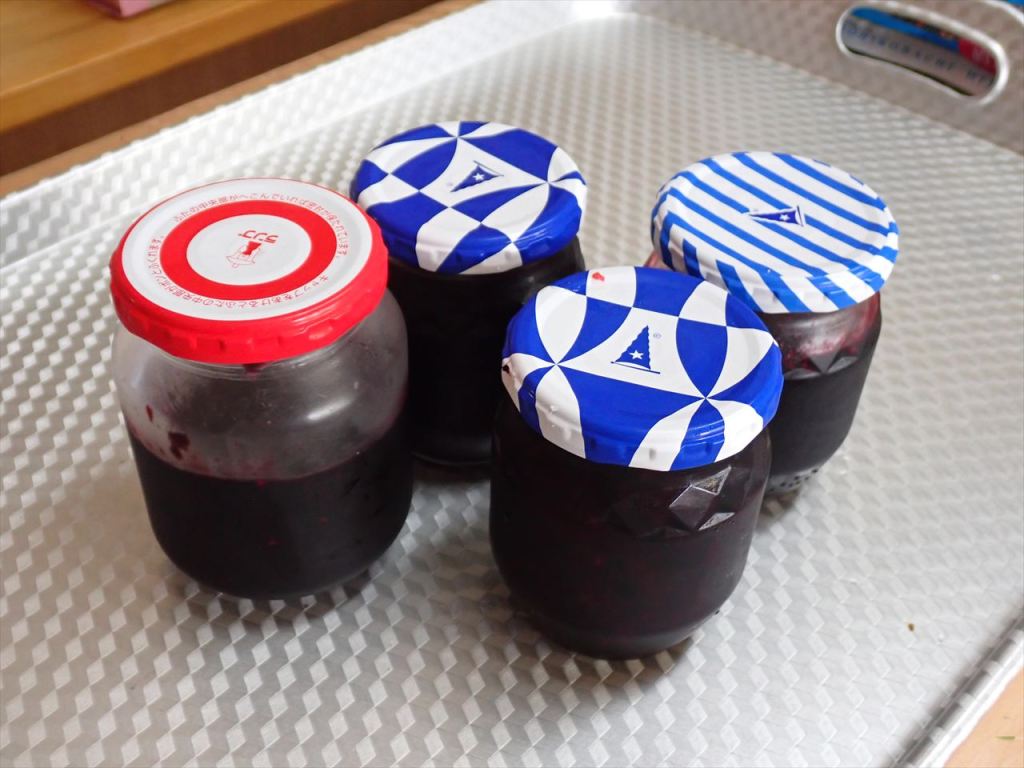
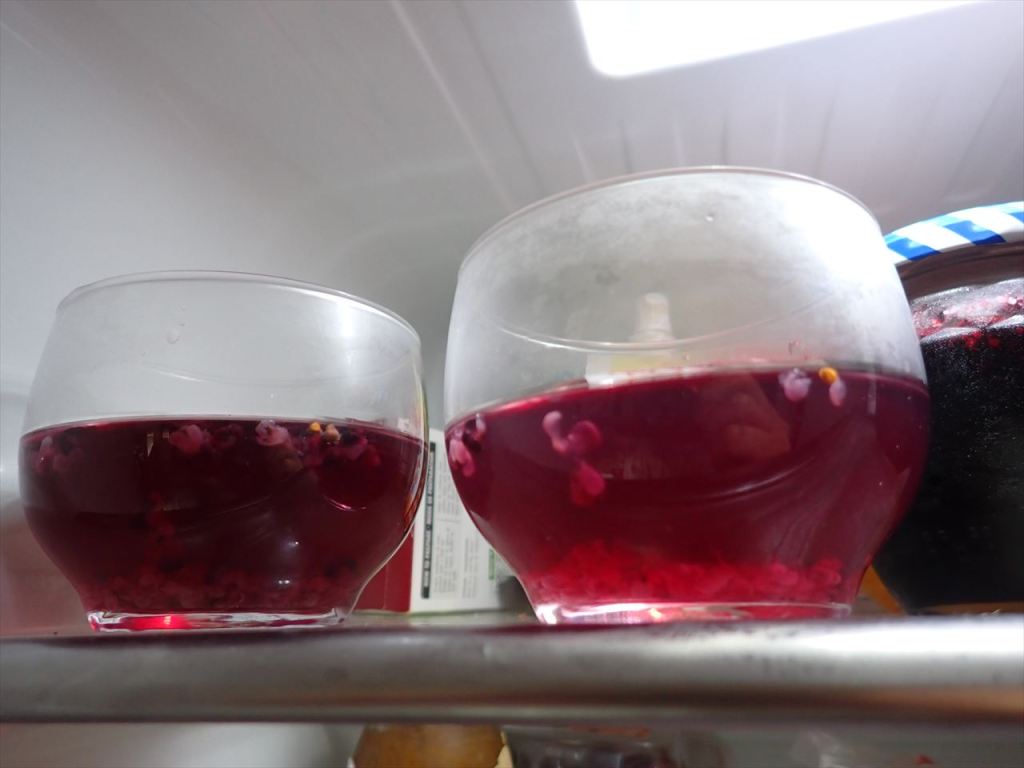
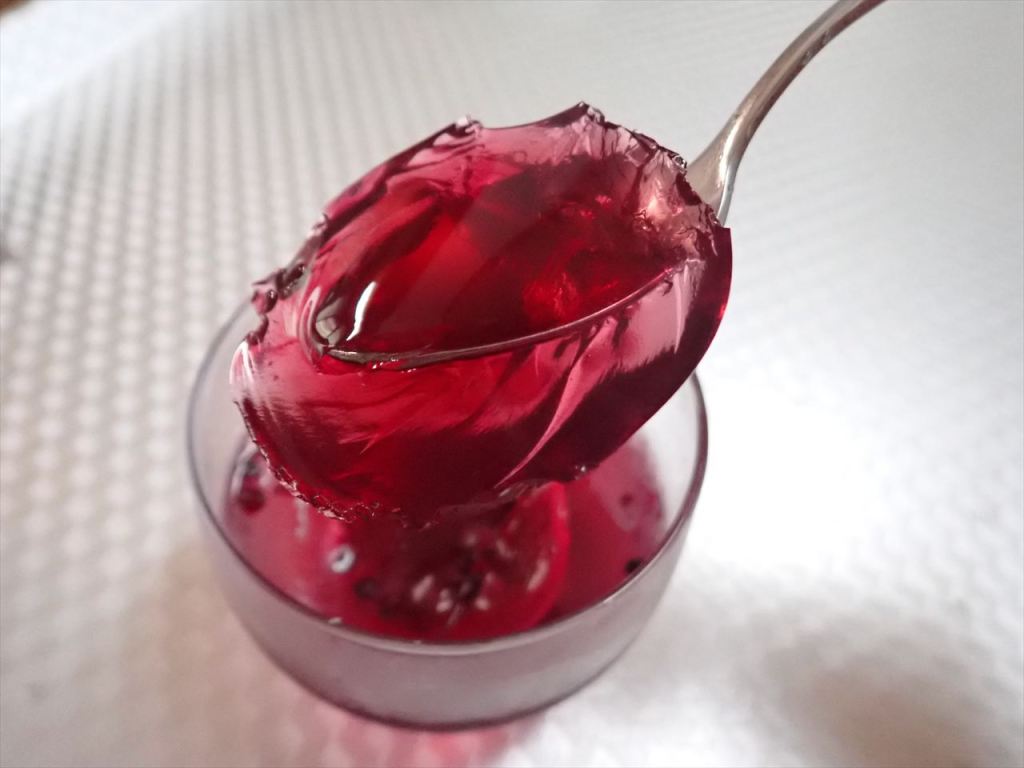
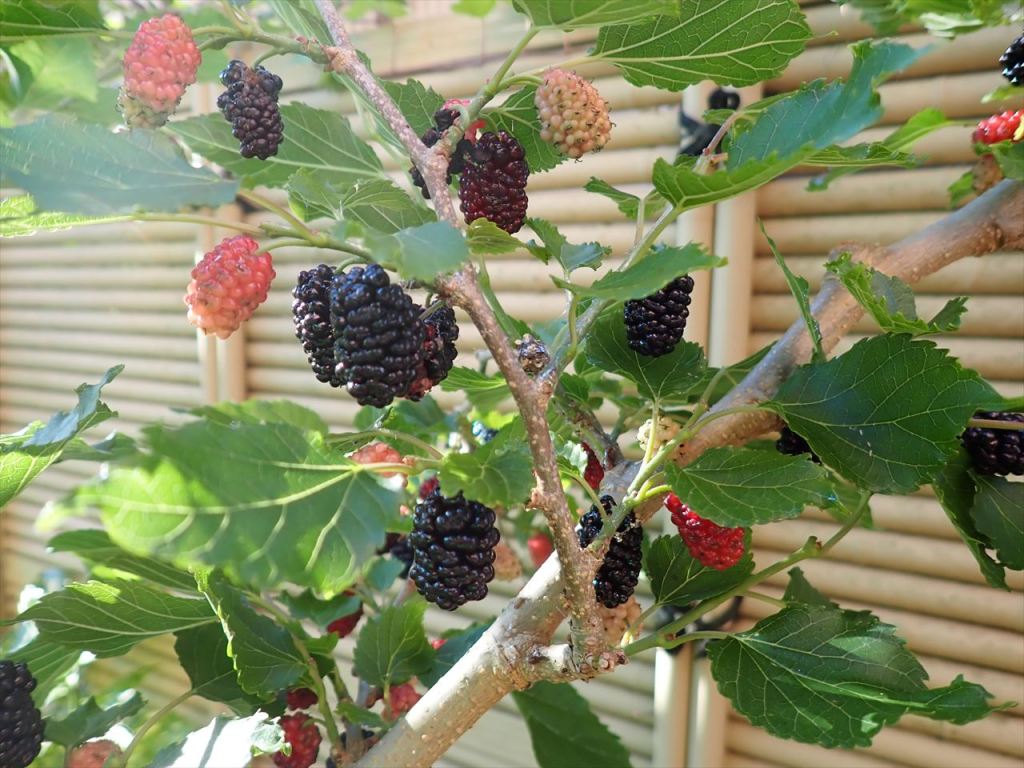
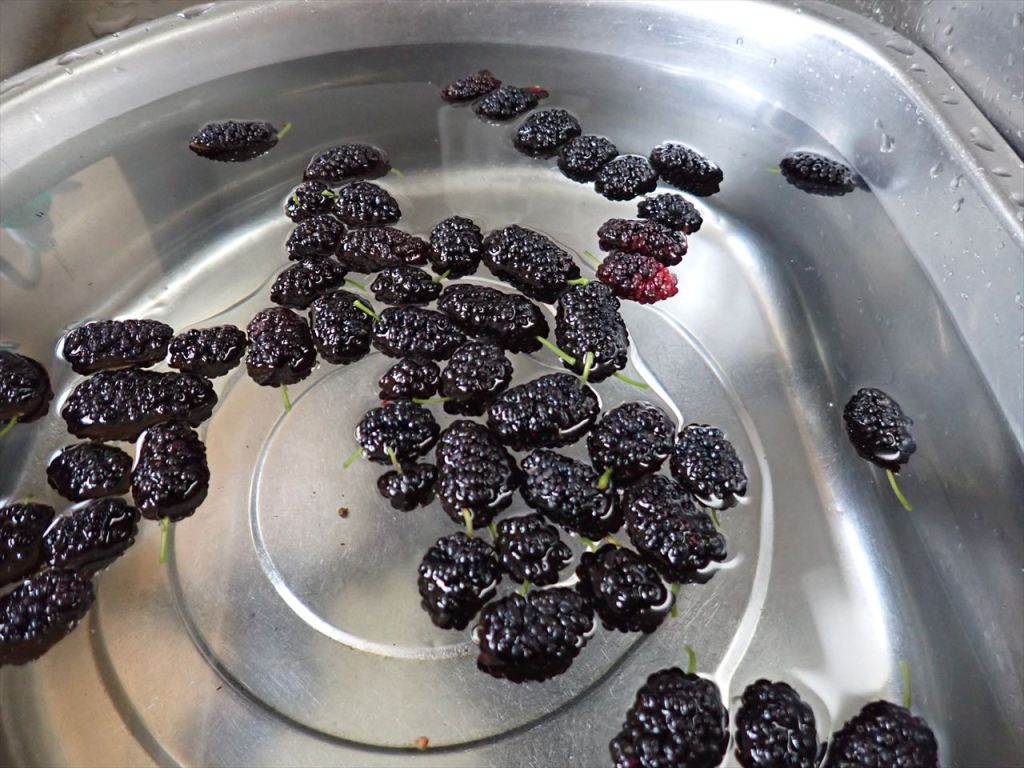
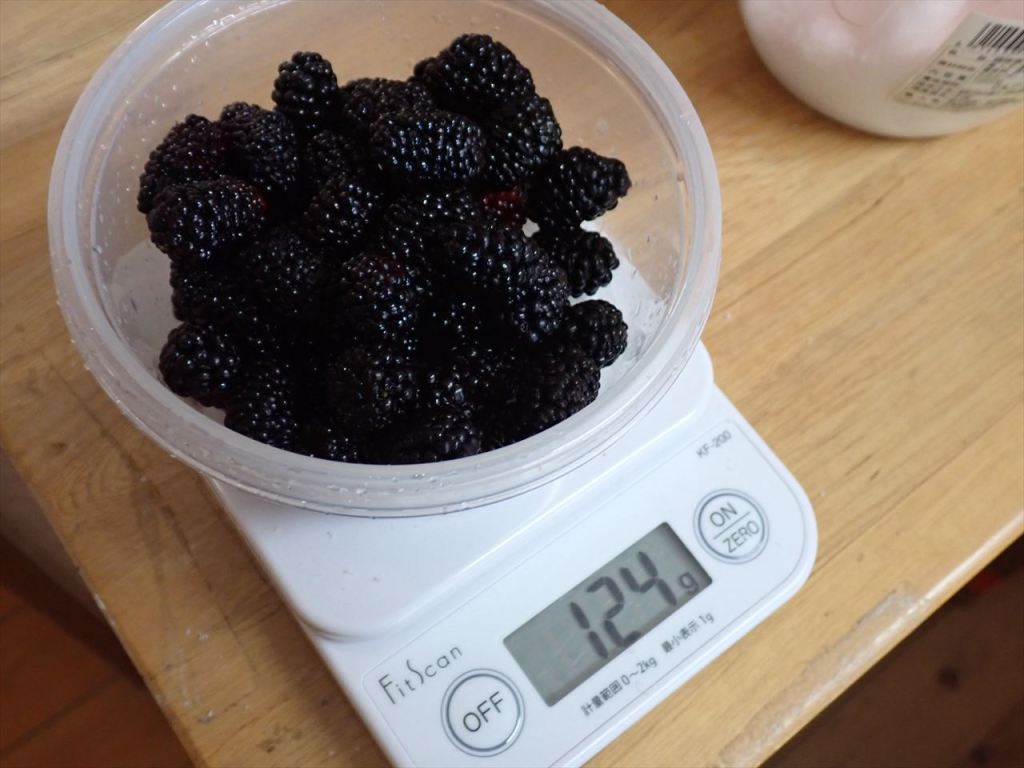
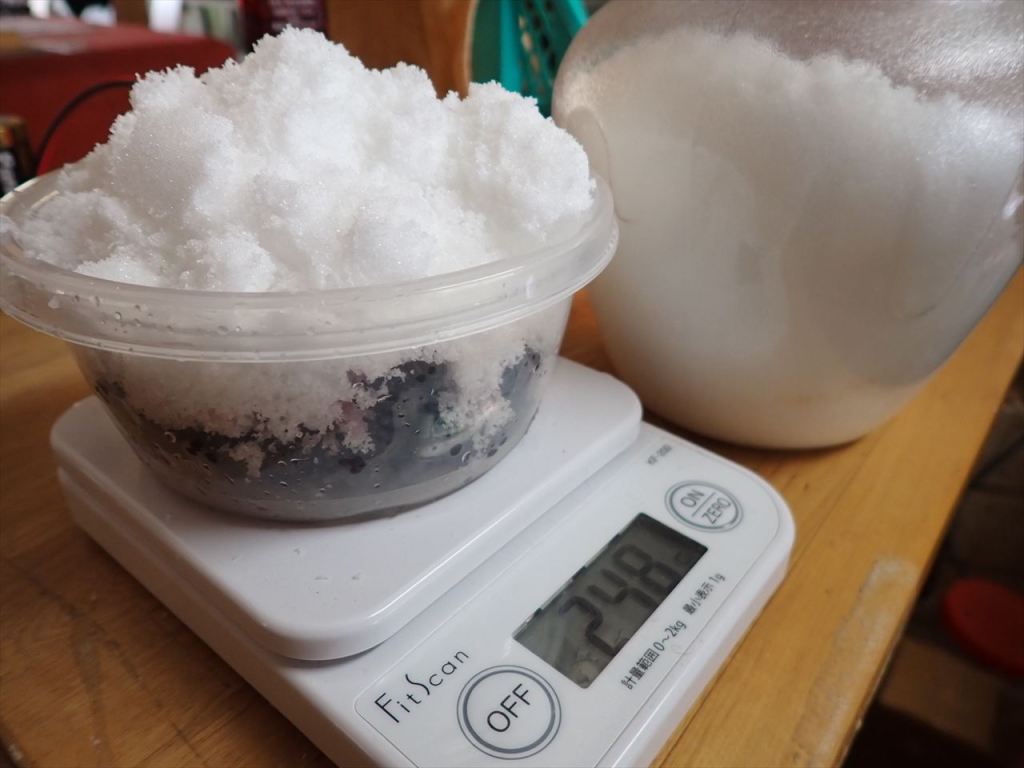
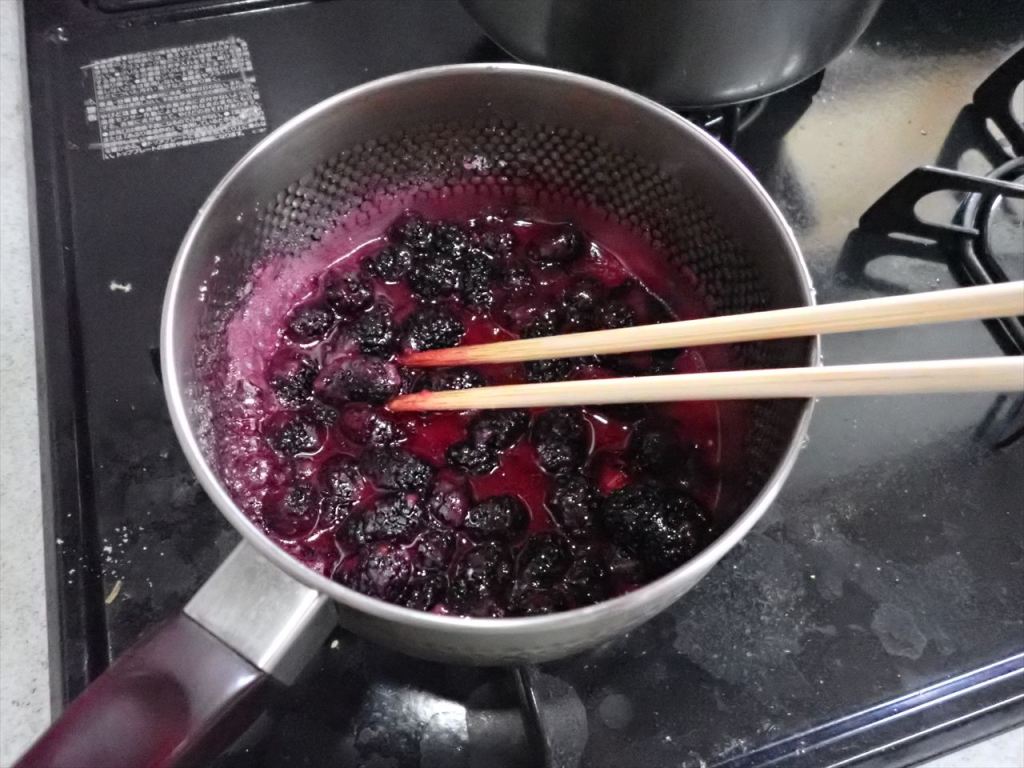
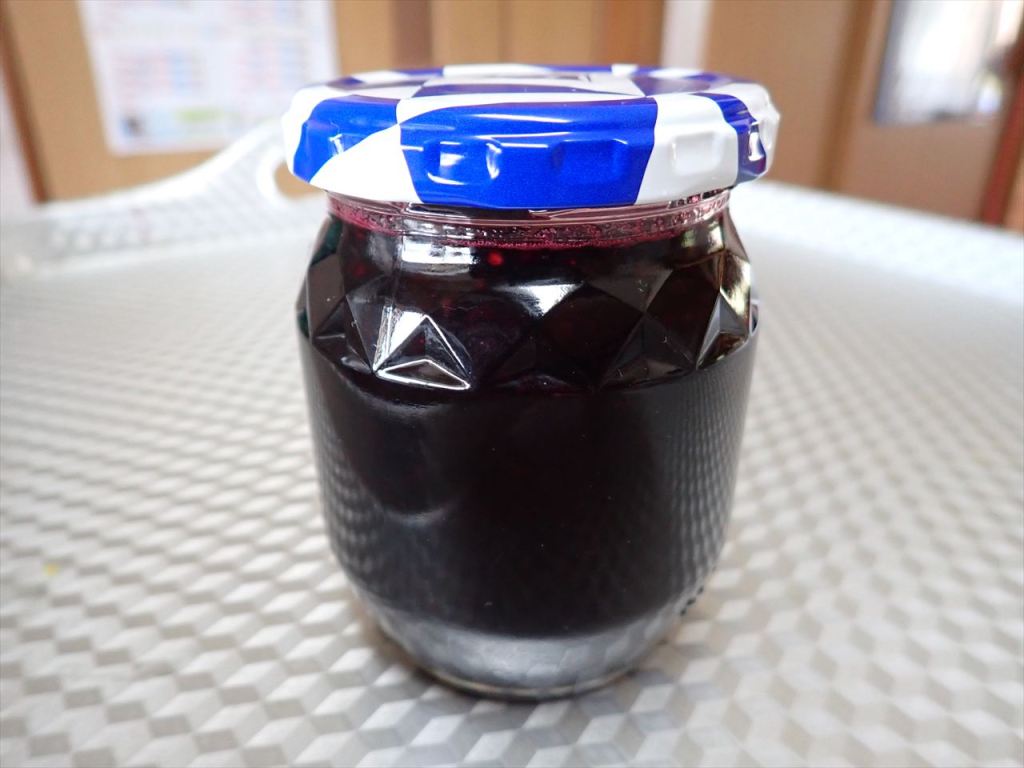
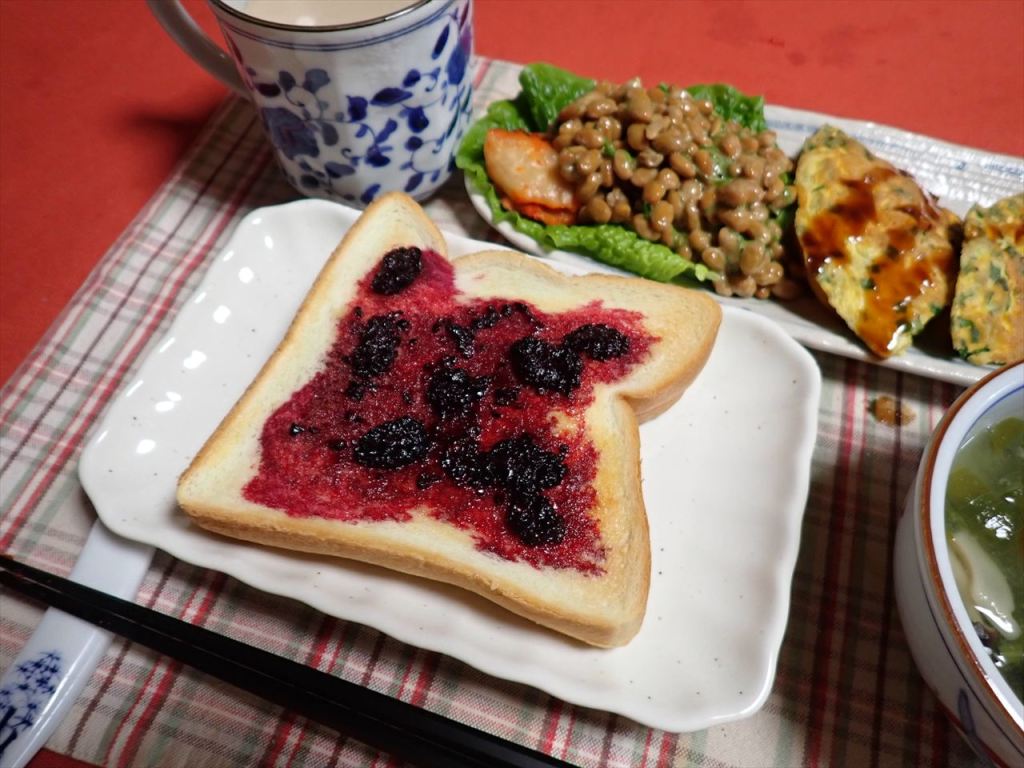
Now it’s almost ending to harvest mulberry from the tree in my garden. This year, I have made four bottles of mulberry jam. I think I got enough amount of Jam. I saw yesterday the rest of the mulberry fruits were not enough to make another bottle of jam. So, I made two cups of mulberry jelly. I have already tasted one, but I’d say it was not so good because mulberries that I could use for jelly were a little less. If there were more, but I have to wait one year.
Oh, by the way, I write explanations about the exercise A of Minna no Nihongo. I have already finished the first book, now I am going to start writing about the exercise A in the second book. So far, I write Japanese sentences in Alphabet. But is it better to write Japanese in Hiragana, Katakana and Kanji?




Last night I was going to fall asleep in the bed at around 11p.m. At that time, I was leaving my radio on. I was feeling like I was listening to the news at 11 o’clock, but I don’t remember what I heard from the radio speaker. Soon after the news program ended, the late-night program started at 11:05, which was “Rajio Shinyabin” on NHK AM. The male radio anchor started the program with mentioning there were a lot of words that ended with “te”. Since I was about to sleep, I don’t remember exactly what he said, but words with “te” were used to describe order of two actions, conditions while the action, and cause/reason. And he added that Japanese teachers were making much effort to teach those words with “te” with calling them “Tegata”.
I am not sure how many Japanese teachers were listening to NHK AM radio in late night at 11, but I am sure that almost all Japanese teacher who listened to it must have shouted “That’s ‘Tekei’!”
Perhaps the radio anchor was not saying what he thought himself, but reading what a broadcast writer wrote on paper. It seems like the writer researched well about “words with ‘te'”, because mentioning several functions of “te” like him was not what an ordinary Japanese could think of.
What is called “Te-form” by Japanese teachers and learners is written in Japanese as “テ形/て形/てけい”. Spelling is “てけい/Tekei”, but the pronunciation is “てけえ/Teke’e”. So for the word “て形” , the Kanji “形” is read as “けい/kei” which is one of On-pronunciations. If you read the Kanji “形” as “がた/gata”, it is one of Kun-pronunciations. Since a Kanji has several patterns of pronunciations of On- and Kun-pronunciations, it is difficult even for Japanese to use the right one. Actually there is a word “Tegata” in Japanese and it’s Kanji is “手形” which doesn’t has to do with Japanese grammar. Since the Kanji “形” is used for conjugation patterns like “終止形”,”連体形”, and “連用形”, and all these “形” is pronounced as “kei”.
Someone might have pointed out to NHK saying it’s not Tegata but Tekei. But I don’t know if the collection was aired in the program or not (the program continued until 5 a.m.!) because I soon turned off the radio, and fell asleep.

