I am a native Japanese speaker who used to teach Japanese in a university somewhere on this planet. Currently I don't work but stayed in my house in Northern part of JAPAN. I hope that you could enjoy reading my posts and know what life in Japan is like.
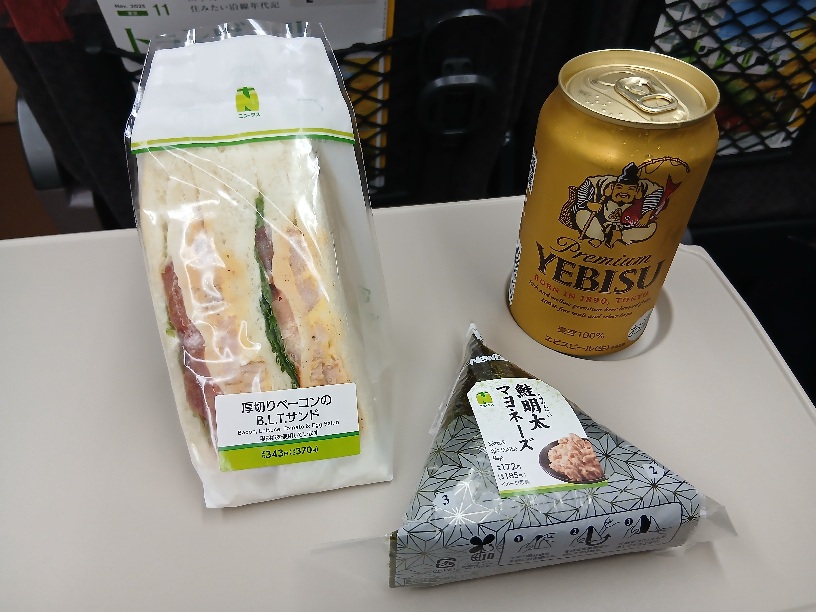
On the way back, the high-speed train “Shin-kansen” was so crowded with passengers. I had to be standing at the end section of a train car until the trains got to Takasaki where is a kind of mid-point between Tokyo and Niigata.
When the trains departed Takasaki, I got a non-reserved seat.
Finally I got to my hometown in Niigata Plain. Now I’m going to upload this post from the living room of my house.
Some students have sent me emails in these two days. I would like to thank them; I am very happy to read their messages. And the next thing I got to do is to write replies. Yesterday I wrote my reply to one student. Actually, I should have written to five students today, but as of 8 p.m., I have done none yet. I am sorry to say but, give me a little bit of time to reply to you guys.
And the followings are a little about me. My elbow of right hand is still aching so that I can’t play my bass. My elbow started aching in July and now it’s the end of October. It had been getting better very slowly, but one week ago, I just tried playing my bass with very light touches of my fingers. I played 15minutes only, but this was very bad for my elbow. I feel that my curing process went back more than one month. Now I think I should not play bass in the rest of this year. I practice piano every day at 4 p.m., but I play only with my left hand.
Another thing about me is that I will go to Tokyo this weekend. I asked one of my students in Tokyo if he would be able to drink with me in the night or not, but he said he couldn’t because he needed to work for a part time job in that day. I thought I was going to stay longer in Tokyo in order to adjust to his schedule, but I gave up this idea, because I cannot leave my old mother in the house more than one-night. I need to go home soon. I think this raises a problem that I cannot travel to far from my home in Niigata, though I wanted to travel to many places in Japan.
I went to the old downtown area of Niigata today. I got an influenza vaccination on my shoulder in a small clinic there. Since it’s the “old” downtown, anything there is going down. I think the reason of declining comes from multiple factors; Japan’s aging society, spreading of commercial districts from city center to surrounding area due to motorization, the long economic downturn of Japan aka “lost thirty years”, and so on.
Old Downtown of Niigata, a northern city in Japan
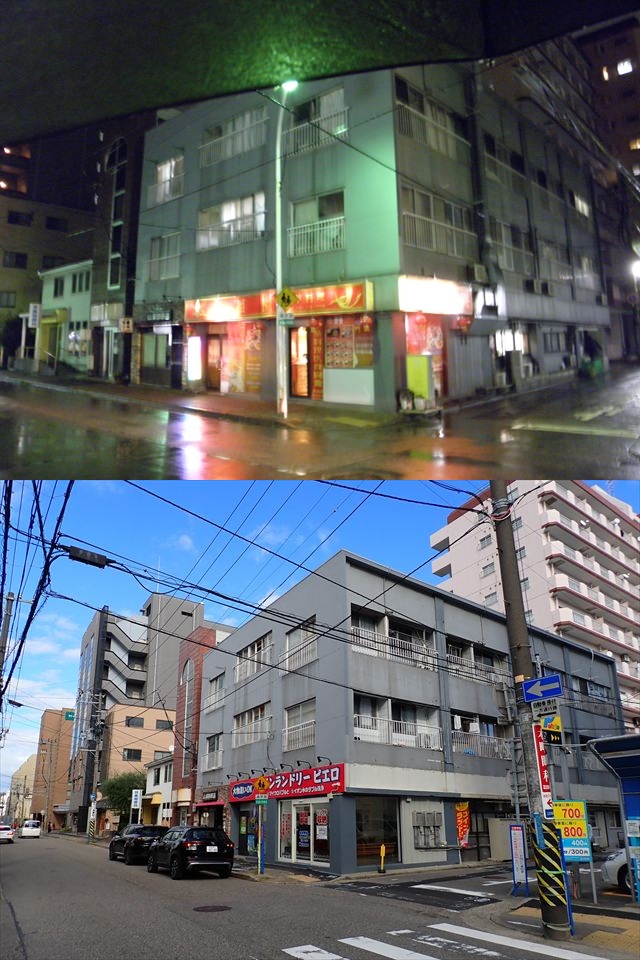
There used to be three Chinese restaurants in that district. I mean that “Chinese Restaurant” is of serving Chinese food cooked by Chinese people. Having visited there today, I got to know that two of three such restaurants had been closed and taken place by another shops. One of the three, only “鵬龍” survives.
萬福園 was replaced by a coin laundry騰翔飯店 was replaced by an Italian Food Restaurant鵬龍は営業していました。広東麺(1,050JPY) in “鵬龍”
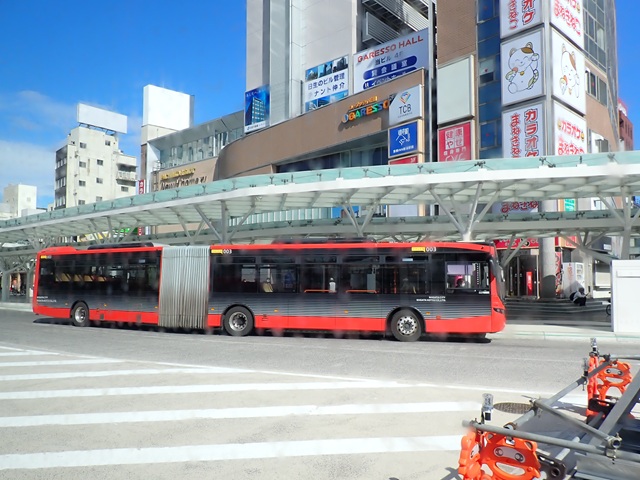
After the flu shot, I took my lunch in “鵬龍”. 広東麺 was hot, so it took a time for me to eat. And then I got on a bus to JR Niigata Station. I just wanted to go home soon. Getting off a local train, I bought a small flower bundle in my village in order to offer to the altar of my deceased father.














 Agony or Fun?! Second Language Learning